
What Does Sciatica Feel Like? Expert Advice From Physiotherapy in Newmarket
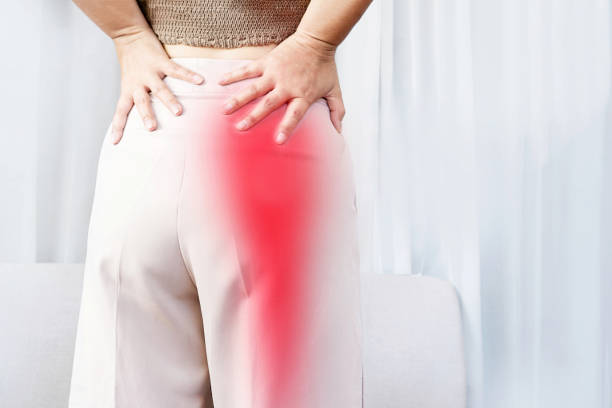
What Does Sciatica Feel Like? Expert Advice from Physiotherapy in Newmarket
Published: June 2026 | Last Updated: June 2026
Written by: Branden I. McKnight, MSc Physiotherapy | Medically Reviewed by: PhysioChiroWellness Clinical Team, Newmarket
If you have ever felt a sharp, burning pain shoot from your lower back down through one leg, you already know how disruptive sciatica can be. It can strike in the middle of an ordinary workday, interrupt your sleep, or stop you in your tracks during a morning walk. As someone who works in physiotherapy in Newmarket, I see patients dealing with this exact experience more often than many people might expect. The good news is that sciatica is highly treatable, and understanding what it actually feels like is the first step toward getting better.
My name is Branden McKnight, and I am a registered physiotherapist at PhysioChiroWellness in Newmarket. In this article, I want to walk you through what sciatica is, how it feels, who tends to develop it, and when it is time to seek professional help. Whether you are in the early stages of symptoms or have been managing persistent pain for a while, this guide is written for you.
Understanding Sciatica: More Than Just Back Pain
Sciatica is not a diagnosis on its own. It is a symptom complex that results from irritation or compression of the sciatic nerve, which is the longest nerve in the human body. It originates from several nerve roots in the lumbar spine (L4 to S3), travels through the buttocks, and runs down the back of each leg to the foot.
When that nerve gets compressed, whether by a herniated disc, bone spur, degenerative disc disease, or a condition called spinal stenosis, the result is pain that radiates along the nerve’s path. In some cases, the piriformis muscle in the buttocks can also irritate the nerve, which we call piriformis syndrome.
According to the Ontario Ministry of Health, musculoskeletal conditions affecting the spine are among the leading causes of disability and reduced quality of life in Canada. Sciatica falls squarely within that category, and it deserves proper attention rather than the wait-and-see approach many people initially take.
The Most Common Causes of Sciatic Nerve Compression
Several underlying conditions can lead to sciatic nerve irritation:
- Herniated or bulging lumbar discs: the most frequent culprit, particularly at L4-L5 or L5-S1 levels
- Lumbar spinal stenosis: narrowing of the spinal canal, more common in adults over 50
- Degenerative disc disease: age-related wear on spinal discs that reduces their ability to cushion vertebrae
- Spondylolisthesis: one vertebra slipping forward over another
- Piriformis syndrome: muscle tightness deep in the buttocks that compresses the nerve
- Pregnancy-related postural changes and ligament laxity
What Does Sciatica Feel Like? Describing the Symptoms
Sciatica has a distinctive quality that sets it apart from ordinary muscle soreness or generalized low back pain. In my clinical experience at PhysioChiroWellness in Newmarket, patients often describe it using vivid language: electric shock, a hot poker running down the leg, or a deep ache that will not let up. Here is a closer look at the most common descriptions.
Sharp, Shooting, or Burning Pain
This is the hallmark symptom. The pain typically originates in the lower back or buttocks and radiates downward along the back of the thigh and calf, sometimes all the way to the foot. It usually affects only one side of the body. The sensation can range from a mild ache to an intense, almost unbearable jolt. A Common Example from Clinical Practice: One patient I recently worked with in Newmarket developed sciatic symptoms after spending long hours driving for work. He initially described the pain as a burning sensation that started in the buttocks and travelled down the back of his leg whenever he sat for more than thirty minutes. Through a combination of physiotherapy assessment, targeted exercises, posture modification, and gradual activity progression, his symptoms improved significantly over several weeks. While every case is different, this pattern is one I commonly see in clinical practice.
Numbness and Tingling
Many patients report pins and needles in the leg or foot, similar to the feeling of a limb falling asleep. This numbness can be patchy or run in a stripe down the leg, following the nerve’s path. When I assess patients presenting with these symptoms in Newmarket, I pay close attention to which dermatome (region of skin supplied by a specific spinal nerve) is affected, as it helps pinpoint the exact level of compression.
Muscle Weakness
When the sciatic nerve is significantly compressed, it can interfere with muscle function in the leg. Patients may notice difficulty lifting the foot (foot drop), weakness when pushing off while walking, or an unstable feeling when standing on one leg. This is a sign the nerve is under meaningful stress and one of the clearer indicators that physiotherapy intervention is necessary.
Pain That Changes with Position
One of the clinically useful features of sciatica is its positional nature. Sitting for extended periods, coughing, sneezing, or straining often aggravates symptoms because these actions increase pressure on the spinal discs. Conversely, walking, lying on the unaffected side with a pillow between the knees, or certain extension movements sometimes provide temporary relief. These patterns help differentiate sciatica from other causes of leg pain.
| Symptom | Sciatica | Muscle Strain |
|---|---|---|
| Pain travels down the leg. | Yes | No |
| Tingling | Common | Rare |
| Numbness | Common | Rare |
| Weakness | Possible | Uncommon |
| Worse when sitting | Common | Variable |
Who Is at Risk for Developing Sciatica?
Sciatica does not discriminate, but certain groups tend to be more vulnerable. In my practice serving patients across Newmarket and the surrounding York Region communities, I see a range of presentations tied to age, occupation, and lifestyle factors.
- Adults between 30 and 60 years old: the disc-related causes of sciatica peak during these decades due to cumulative spinal loading
- Desk workers and drivers: prolonged sitting compresses lumbar discs and shortens hip flexors, both of which increase nerve irritation risk
- Manual labourers: repeated heavy lifting with poor mechanics places abnormal stress on spinal structures
- Pregnant individuals: hormonal changes, postural shifts, and abdominal weight distribution alter spinal mechanics significantly
- Athletes: particularly those in sports involving explosive twisting, impact, or axial loading (such as hockey, football, or weightlifting)
- Individuals with sedentary lifestyles: weak core and gluteal muscles reduce the support available to the lumbar spine
At PhysioChiroWellness, we regularly assess and treat patients from Newmarket, Aurora, East Gwillimbury, Bradford, and surrounding York Region communities experiencing symptoms of sciatic nerve irritation. Given my background in athletic rehabilitation, I also see sciatica presenting differently in active versus sedentary patients. Athletes tend to present with more acute disc-related findings, while office workers often develop more gradual, posture-driven compression. Both respond well to physiotherapy when the treatment approach is individualized.
How Is Sciatica Diagnosed?
Diagnosing sciatica involves more than simply identifying leg pain. During a physiotherapy assessment, I evaluate the location of symptoms, movement patterns, neurological function, muscle strength, reflexes, and sensation to determine whether the sciatic nerve is involved.
One of the most commonly used assessment tools is the Straight Leg Raise Test, which helps identify nerve root irritation associated with lumbar disc problems. Additional neurological testing may help determine which spinal nerve root is affected.
In many cases, imaging such as X-rays or MRI scans is not required initially. However, imaging may be recommended when symptoms are severe, progressive, associated with significant weakness, or fail to improve with conservative treatment. Current clinical guidelines generally support a thorough physical examination before pursuing advanced imaging unless red flag symptoms are present.

When Should You See a Physiotherapist in Newmarket for Sciatica?
This is a question I hear regularly. Many people try to manage sciatica with rest, over-the-counter pain relievers, or heat and ice. While these measures can offer short-term comfort, they rarely address the underlying mechanics driving the problem.
You should strongly consider booking an assessment with a physiotherapist in Newmarket if you experience any of the following:
- Pain that has persisted for more than two to four weeks without meaningful improvement
- Leg pain that is more intense than your back pain
- Numbness, tingling, or weakness extending below the knee
- Difficulty walking, standing, or performing daily tasks
- Disrupted sleep due to leg pain
- Worsening symptoms despite rest or self-management
Seek emergency care immediately if you experience loss of bladder or bowel control alongside your back and leg pain. This can indicate cauda equina syndrome, a rare but serious spinal emergency.
How Physiotherapy in Newmarket Treats Sciatica
Physiotherapy for sciatica is not a one-size-fits-all protocol. At PhysioChiroWellness in Newmarket, my approach begins with a comprehensive assessment that examines posture, movement patterns, neurological function, and the specific activities that aggravate or relieve your symptoms. From there, treatment is tailored to the underlying cause.
Manual Therapy and Soft Tissue Techniques
Hands-on techniques can reduce muscle guarding around the lumbar spine and pelvis, restore joint mobility, and decrease pressure on the irritated nerve. This might include spinal joint mobilization, myofascial release, or targeted soft tissue work to the piriformis and deep gluteal muscles.
Therapeutic Exercise and Rehabilitation
Evidence supports exercise as a cornerstone of sciatica management. A structured program typically includes core stabilization, hip mobility work, neural mobilization (nerve gliding exercises), and progressive loading to rebuild strength in the leg and lumbar region. In patients with athletic rehabilitation goals, I also incorporate sport-specific functional movements once pain levels have settled.
Education and Postural Coaching
Understanding your spine and how your daily habits contribute to nerve irritation is one of the most powerful tools in recovery. I spend time explaining how load management, sleep positioning, ergonomic adjustments, and movement habits affect disc pressure and nerve health. This educational component is something I consider non-negotiable because informed patients recover faster and are less likely to experience recurrence.
Modalities for Pain Relief
Depending on the individual’s presentation, I may also incorporate therapeutic modalities such as transcutaneous electrical nerve stimulation (TENS) or acupuncture to manage acute pain while the active rehabilitation program progresses.
How Long Does Sciatica Recovery Take?
Recovery timelines vary depending on the underlying cause, symptom severity, overall health, and how quickly treatment begins.
In general:
- Mild cases often improve within a few weeks
- Moderate cases involving disc irritation commonly recover within six to twelve weeks
- Chronic cases may require several months of rehabilitation
- Individuals with significant nerve compression or long-standing symptoms may require a longer recovery period
One of the most important factors influencing recovery is remaining appropriately active while following a structured treatment plan. Extended bed rest is rarely recommended and may actually delay progress in many cases.
Evidence-Informed Care: What the Research Tells Us
The clinical evidence for physiotherapy in the management of sciatica is well-established. Research consistently shows that active rehabilitation combining targeted exercise with manual therapy produces better long-term outcomes than passive rest alone. The Public Health Agency of Canada recognizes that musculoskeletal disorders represent a significant burden on Canadians’ quality of life and highlights the importance of timely, evidence-based intervention. Guidance from organizations such as the World Health Organization, the Canadian Physiotherapy Association, and the Ontario Physiotherapy Association also supports physical activity and evidence-based rehabilitation as key components in the management of musculoskeletal conditions affecting the spine.
Neural mobilization techniques, in particular, have gained strong support in recent literature for their role in reducing sciatic nerve sensitivity and improving function. A 2023 systematic review published in the Journal of Manual & Manipulative Therapy reported that neural mobilization techniques, combined with exercise therapy, improved pain and functional outcomes in individuals with lumbar radiculopathy and related sciatic nerve symptoms. These findings support the use of active rehabilitation strategies rather than prolonged rest alone.
My training at Brunel University London gave me a strong grounding in evidence-based practice, and I continually apply that lens when designing treatment programs for patients here in Newmarket.
Key Takeaways: In a Nutshell
- Sciatica is caused by compression or irritation of the sciatic nerve, most often in the lumbar spine
- Common symptoms include shooting or burning leg pain, numbness, tingling, and, in some cases, muscle weakness
- Sciatica usually affects only one leg and worsens with prolonged sitting, coughing, or straining
- Risk factors include age, sedentary habits, manual labour, pregnancy, and athletic activity
- Physiotherapy in Newmarket offers effective, individualized treatment targeting the root cause rather than just the symptoms
- Early assessment and intervention typically lead to faster recovery and lower risk of recurrence
Frequently Asked Questions About Sciatica and Physiotherapy in Newmarket
How long does sciatica typically last?
Acute sciatica often improves within six to twelve weeks with appropriate treatment. However, without addressing the underlying cause, symptoms can become chronic or recurrent. The sooner you begin physiotherapy, the better your chances of full recovery.
Can sciatica go away on its own?
Some cases improve naturally over time, particularly when symptoms are mild. However, addressing the underlying cause through physiotherapy can often reduce recovery time and lower the risk of recurrence.
Can physiotherapy in Newmarket help avoid surgery for sciatica?
In many cases, yes. The majority of people with disc-related sciatica respond well to conservative management, including physiotherapy. Surgery is generally considered only when symptoms are severe, progressive, or have failed to respond to at least six to twelve weeks of structured non-surgical care.
Is sciatica permanent?
No. Most cases of sciatica improve with appropriate treatment and activity modification. Long-term symptoms are more likely when nerve compression remains untreated or when underlying spinal conditions continue to progress.
Is it safe to exercise with sciatica?
Yes, with guidance. Certain movements can aggravate sciatica if performed incorrectly, but staying active is generally far better than bed rest. A physiotherapist can design a safe exercise program that works within your current pain tolerance and gradually builds capacity.
What is the difference between sciatica and general low back pain?
General low back pain stays localized to the lumbar region. Sciatica specifically involves nerve-related symptoms that radiate into the buttock and leg, often accompanied by numbness, tingling, or weakness. The distinction matters because the treatment approach differs significantly.
Can walking help sciatica?
For many individuals, gentle walking can help reduce stiffness and improve circulation without placing excessive stress on the spine. The appropriate amount of walking depends on the underlying cause and symptom severity.
Do I need a referral to see a physiotherapist in Newmarket?
No referral is required in Ontario to access physiotherapy services. You can book directly with a registered physiotherapist. Some private insurance plans may require a physician referral for reimbursement purposes, so it is worth checking your coverage.
How many sessions will I need?
This varies widely depending on the severity and duration of your symptoms, your overall health, and how consistently you engage with your home exercise program. After an initial assessment, I provide a realistic treatment timeline and clear milestones, so you always know how your progress is tracking.
Ready to Get Relief? Book Your Assessment at PhysioChiroWellness in Newmarket
Living with sciatic nerve pain is not something you have to accept. At PhysioChiroWellness, our team provides personalized, evidence-based physiotherapy right here in Newmarket, helping patients move better, hurt less, and return to the activities they love.
Whether you are dealing with a recent flare-up or have been managing chronic leg pain for months, the right assessment can make a real difference. We offer comprehensive evaluations that go beyond symptom management to identify and treat what is actually driving your sciatica.
Book your physiotherapy appointment in Newmarket today by clicking here and taking the first step toward lasting relief. Our approach is collaborative, individualized, and rooted in the latest evidence, because you deserve care that is built around your goals, not a generic protocol.
Explore Related Services at PhysioChiroWellness Newmarket
If you found this article helpful, you may also want to explore:
- Low Back Pain Physiotherapy Newmarket: a deeper look at how physiotherapy addresses lumbar spine conditions beyond sciatica
- Chiropractic Care for Spinal Health Newmarket: complementary spinal manipulation and adjustment services that pair well with physiotherapy for nerve-related conditions
- Registered Massage Therapy for Muscle Tension Newmarket: targeted soft tissue therapy to reduce the muscle guarding and tightness that often accompanies sciatic nerve irritation
References
- World Health Organization (WHO). Musculoskeletal Conditions Fact Sheet.
- Public Health Agency of Canada. Musculoskeletal Health Resources.
- Canadian Physiotherapy Association. Evidence-Based Physiotherapy Resources.
- Journal of Manual & Manipulative Therapy. Neural Mobilization and Lumbar Radiculopathy Systematic Review (2023).
- Ontario Physiotherapy Association. Clinical Practice Resources.
Medical Disclaimer
The information provided in this blog post is intended for educational purposes only and does not constitute medical advice. It should not be used as a substitute for professional assessment, diagnosis, or treatment by a qualified healthcare provider. If you are experiencing symptoms of sciatica or any other health condition, please consult a licensed physiotherapist or physician. In the event of a medical emergency, contact emergency services immediately.
About the Author
Branden I. McKnight, MSc (Physiotherapy), B.HK, Registered Physiotherapist
Branden I. McKnight graduated from Brunel University London with a Master of Science degree in Physiotherapy in 2019. Before completing his graduate degree, he earned a Bachelor of Human Kinetics from the University of Windsor in 2015 and gained extensive clinical experience as a Registered Kinesiologist working across a diverse patient population.
Branden has a particular interest in athletic rehabilitation, with a subspecialty focus on ankle and balance rehabilitation. His clinical experience spans vestibular conditions, post-surgical recovery, workplace injuries, and motor vehicle accident rehabilitation. At PhysioChiroWellness in Newmarket, Branden’s goal is to rehabilitate and improve each patient’s general and sport-specific fitness, performance, and quality of life through an integrated combination of education, therapeutic exercise, manual techniques, and targeted modalities.