
Physiotherapy For Sciatica In Vaughan
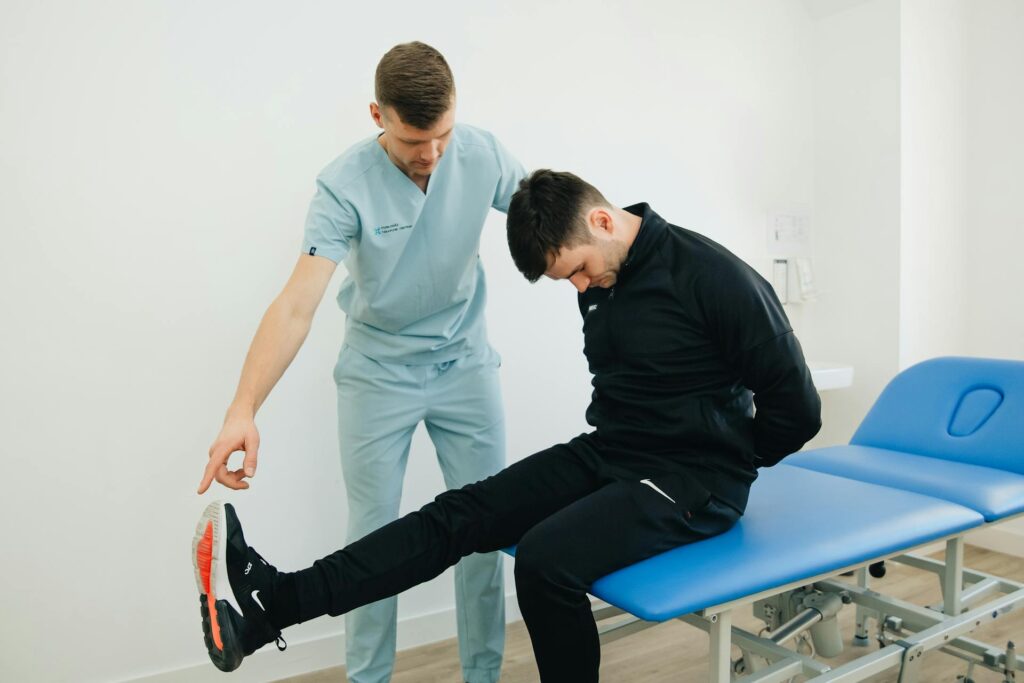
Physiotherapy For Sciatica In Vaughan
Published: July 2026 | Last Updated: July 2026
Written by: Branden I. McKnight, MSc Physiotherapy | Medically Reviewed by: PhysioChiroWellness Clinical Team, Vaughan
If you have ever felt a sharp, burning pain shoot from your lower back down through your hip and into your leg, you already know how disruptive sciatica can be. It can turn a simple walk to the car, a night of sleep, or a workday at a desk into something to dread. At PhysioChiroWellness, we see this pattern often in our Vaughan clinic, and the good news is that sciatica responds well to the right combination of assessment, hands-on treatment, and progressive exercise. If you have been searching for physiotherapy in Vaughan to help you manage sciatic pain, this guide walks you through what sciatica actually is, who tends to develop it, and what an evidence-informed treatment plan looks like.
Sciatica can range from a mild annoyance to a condition that interferes with work, exercise, sleep, and everyday movement. While many people assume the pain will disappear with time, identifying the underlying cause early often leads to a smoother recovery and reduces the risk of recurring flare-ups. As a registered physiotherapist serving the Vaughan community, Branden I. McKnight, MSc, emphasizes that effective treatment begins with understanding why the sciatic nerve has become irritated rather than simply focusing on pain relief. Every treatment plan should be tailored to the individual’s symptoms, lifestyle, activity level, and long-term goals.
What Is Sciatica, Exactly?
Sciatica is not a diagnosis on its own. It is a term used to describe pain that travels along the path of the sciatic nerve, the longest and thickest nerve in the body. The sciatic nerve begins in the lower back, runs through the buttock, and branches down the back of each leg. When something irritates or compresses one of the nerve roots that feed into it, usually in the lumbar spine, the result is pain, tingling, numbness, or weakness that can extend all the way to the foot.
Common underlying causes include a herniated or bulging disc pressing on a nerve root, spinal stenosis (a narrowing of the spinal canal), degenerative disc changes, and piriformis syndrome, where a small muscle deep in the buttock irritates the nerve as it passes nearby. Less commonly, pregnancy-related changes, spondylolisthesis, or prolonged sitting with poor posture can contribute to symptoms as well.
Branden I. McKnight, physiotherapist at PhysioChiroWellness, notes that one of the most important parts of the initial assessment is figuring out exactly where the irritation is coming from. “Sciatica can feel similar from one patient to the next, but the source of the problem is rarely identical. Two people can describe the same burning pain down the leg, and one might have a disc issue while the other has a muscular restriction pressing on the nerve. That distinction changes everything about how we approach treatment.”
What Conditions Can Mimic Sciatica?
Although sciatica is a common cause of radiating leg pain, it is not the only condition that can produce similar symptoms. Pain originating from the hip joint, sacroiliac (SI) joint, surrounding muscles, or even certain vascular conditions can sometimes be mistaken for sciatica. Hamstring strains, hip osteoarthritis, and deep gluteal syndrome, where structures around the sciatic nerve become irritated outside the spine, may also cause pain that travels into the leg.
Because these conditions can feel remarkably similar, self-diagnosis is not always reliable. Branden I. McKnight, MSc, Physiotherapist, explains that one of the primary goals of a comprehensive physiotherapy assessment is distinguishing true sciatic nerve involvement from other conditions that require a different rehabilitation approach. Through a detailed history, movement assessment, neurological testing, and evaluation of the lumbar spine and hips, your physiotherapist can identify the structures contributing to your symptoms and recommend the most appropriate treatment plan.
Common Risk Factors for Sciatica
Although anyone can develop sciatica, certain lifestyle and health factors increase the likelihood of experiencing sciatic nerve irritation. Understanding these risk factors may also help reduce the chances of future flare-ups.
Common risk factors include:
- Spending long hours sitting without adequate lumbar support.
- Repetitive lifting, bending, or twisting at work.
- Weakness in the core, hips, and lower back muscles.
- Poor posture during work or daily activities.
- Degenerative changes in the spine associated with aging.
- Previous lower back injuries.
- Carrying excess body weight, which can increase stress on the spine.
- Participating in physically demanding sports without adequate conditioning.
Having one or more of these risk factors does not necessarily mean you will develop sciatica, but they often contribute to the mechanical stress that can irritate the nerve over time. During a physiotherapy assessment, these contributing factors are evaluated alongside your symptoms to develop an individualized treatment plan.
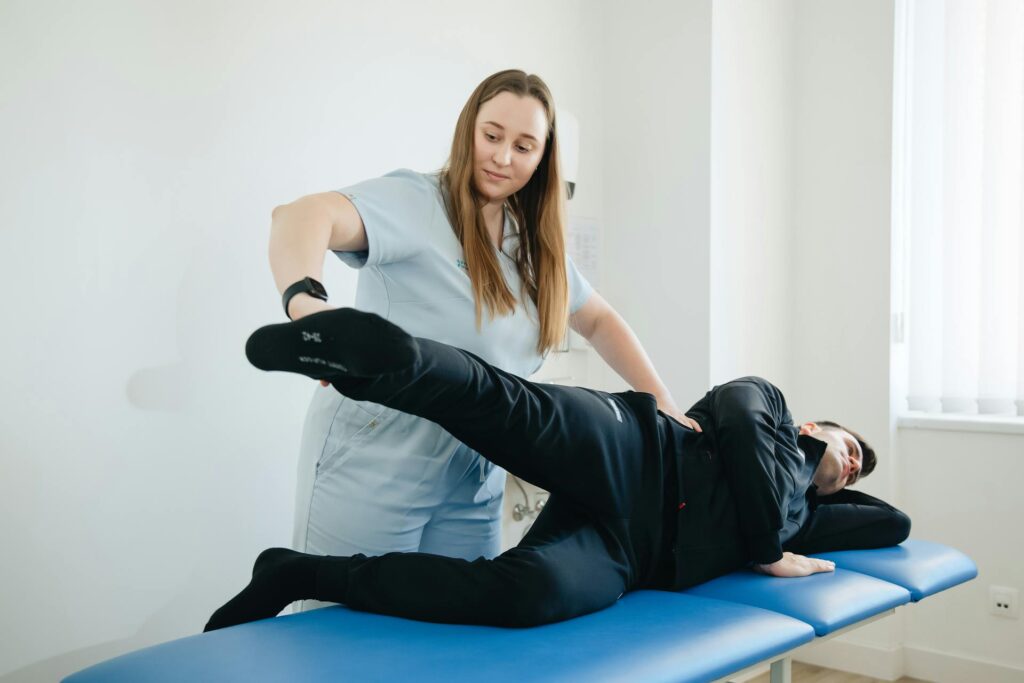
Who Can Benefit From Physiotherapy For Sciatica In Vaughan
Sciatica does not discriminate by age or occupation, though certain groups tend to be more susceptible. People who benefit most from physiotherapy in Vaughan for sciatic pain typically include:
- Office workers and desk-based professionals: Long hours of sitting, especially with poor lumbar support, increase pressure on the lower spine and can aggravate nerve irritation.
- Tradespeople and physically demanding occupations: Repetitive bending, lifting, and twisting place strain on the lumbar discs and surrounding musculature.
- Older adults: Degenerative changes in the spine, including disc thinning and stenosis, become more common with age and can lead to nerve compression.
- Pregnant individuals: Postural shifts and hormonal changes during pregnancy can place added stress on the lower back and pelvis.
- Athletes and active individuals: Sudden increases in training load, poor movement mechanics, or muscle imbalances around the hip and spine can trigger sciatic symptoms.
- Anyone recovering from a car accident or workplace injury: Trauma to the spine or surrounding soft tissue can directly irritate the sciatic nerve roots.
If any of these describe your situation and you are dealing with radiating leg pain, a thorough physiotherapy assessment can help identify the root cause rather than just managing the symptoms.
What We Commonly See in Clinical Practice
At PhysioChiroWellness, patients with sciatica often arrive believing that the pain originates in the leg itself. In many cases, however, the source of the problem is found in the lower back, pelvis, or surrounding muscles. Branden I. McKnight, MSc, explains that two people with nearly identical symptoms may require very different treatment approaches because the underlying cause is not always the same.
For example, one patient may experience nerve irritation from a lumbar disc injury, while another may have reduced hip mobility, muscular tightness, or altered movement patterns contributing to similar symptoms. This is why a thorough assessment is essential before beginning treatment. Identifying the true source of the irritation allows physiotherapy to address the cause rather than simply managing the pain.
Why an Accurate Diagnosis Matters
Although many people use the word “sciatica” to describe any pain travelling down the leg, the underlying cause can vary considerably from one individual to another. A herniated disc, spinal stenosis, muscular irritation, or joint dysfunction may all produce similar symptoms, yet each requires a different rehabilitation strategy.
An accurate diagnosis helps ensure that treatment focuses on the source of the problem rather than simply reducing pain. It also helps avoid exercises or activities that may aggravate symptoms instead of improving them. At PhysioChiroWellness, Branden develops individualized treatment plans based on each patient’s assessment findings, functional goals, occupation, and activity level. This personalized approach allows treatment to progress safely while addressing the factors contributing to the condition.
When To See A Physiotherapist In Vaughan For Sciatica
Mild, occasional back discomfort often resolves with rest and gentle movement. Sciatica, however, tends to linger or worsen without proper management, and waiting too long can allow compensatory movement patterns to develop, which sometimes complicates recovery.
It is a good idea to book an assessment with a physiotherapist in Vaughan if you notice:
- Pain that radiates from your lower back or buttock down one leg, especially if it extends below the knee
- Numbness, tingling, or a pins-and-needles sensation along the leg or foot
- Weakness when lifting your foot or standing on your toes
- Pain that worsens with sitting, coughing, or sneezing
- Symptoms that have persisted for more than a week or two despite rest
- Difficulty finding a comfortable sleeping position due to leg or back pain
Sciatica involving severe or progressive weakness, loss of bladder or bowel control, or numbness in the groin area is considered a medical emergency and requires immediate assessment at an emergency department, as these can be signs of cauda equina syndrome. For everyday sciatic pain that does not involve these red flag symptoms, physiotherapy is typically one of the first and most effective avenues of care.
What to Expect During Your First Appointment
Your initial appointment is designed to understand not only where your pain is located, but also why it developed. Your physiotherapist will review your medical history, discuss how your symptoms began, assess your posture and movement patterns, examine your spine and hips, evaluate muscle strength and flexibility, and perform neurological testing where appropriate.
Based on these findings, your physiotherapist will explain the likely cause of your symptoms, discuss realistic recovery expectations, and begin a treatment plan that may include manual therapy, individualized exercises, education, and recommendations for modifying daily activities. Many patients also receive a home exercise program to begin managing their symptoms between appointments.
An Evidence-Informed Approach To Treating Sciatica
Physiotherapy for sciatica is not a single technique. It is a structured, evolving plan built around your specific presentation. Research consistently supports a combination approach that includes manual therapy, targeted exercise, and patient education, rather than relying on any one method in isolation. Organizations such as the Public Health Agency of Canada have highlighted the value of active, function-focused approaches to managing chronic pain conditions, including back and nerve-related pain, as opposed to prolonged rest or passive treatment alone.
Comprehensive Assessment
Every treatment plan at our Vaughan clinic starts with a detailed history and physical examination. This includes testing nerve tension, muscle strength, reflexes, and range of motion to pinpoint which structures are contributing to your symptoms. Branden explains that this step often gets rushed elsewhere. “I spend real time on the assessment because it tells me whether we are dealing with a disc-related issue, a joint restriction, or a muscular entrapment. Guessing leads to generic exercise sheets that do not actually address the problem.”
Manual Therapy
Hands-on techniques, including soft tissue release, joint mobilization, and neural mobilization, can help reduce muscle guarding and improve mobility around the lumbar spine and hip. For patients with piriformis-related sciatica, manual release techniques around the deep hip rotators often bring noticeable relief within the first few sessions.
Therapeutic Exercise
Exercise is the backbone of long-term sciatica management. A physiotherapist will typically progress you through stages, starting with gentle nerve gliding and core stabilization exercises to reduce irritation, then advancing to strengthening work for the glutes, hips, and deep spinal stabilizers. Building strength around the spine reduces the likelihood of recurrence, which is one of the main goals of physiotherapy beyond simply calming the current flare-up.
Postural And Ergonomic Education
Since many cases of sciatica are aggravated by prolonged sitting or repetitive movement patterns at work, physiotherapists often provide practical guidance on workstation setup, lifting mechanics, and movement breaks. Small adjustments to daily habits can meaningfully reduce the load placed on an irritated nerve root.
Modalities As A Supportive Tool
Techniques such as heat, ice, or electrical stimulation may be used to manage pain and inflammation in the early stages, but these are generally considered supportive rather than primary treatments. The Canadian Physiotherapy Association and current musculoskeletal research emphasize that active rehabilitation produces more durable outcomes than passive modalities alone.
Branden adds, “Patients sometimes expect to lie down and receive treatment passively for weeks. What actually works better, and what the evidence supports, is becoming an active participant in your own recovery. We use hands-on treatment to create a window of reduced pain, and then we use that window to build strength and movement capacity.”
Recovery Timeline: How Long Does Sciatica Last?
Recovery from sciatica depends on the underlying cause, the severity of nerve irritation, and how quickly treatment begins. Mild cases may improve within several weeks, while symptoms caused by more significant disc injuries or long-standing spinal changes may require a longer period of rehabilitation.
Consistently following your physiotherapy program, remaining appropriately active, and performing prescribed home exercises often play a significant role in recovery. Many patients begin noticing gradual improvements in pain, mobility, and daily function within the first few weeks of treatment, although complete recovery timelines vary from person to person.
Rather than focusing only on relieving current symptoms, physiotherapy also aims to restore strength, flexibility, and movement patterns that reduce the likelihood of future episodes.
Is Imaging Always Necessary?
Many people assume that an X-ray or MRI is required before beginning treatment for sciatica. In reality, imaging is not necessary for every case. Physiotherapists are trained to assess nerve function, movement patterns, muscle strength, joint mobility, and symptom behaviour to determine the most likely source of pain.
Imaging may be recommended if symptoms suggest a more serious underlying condition, if there has been significant trauma, or if severe neurological changes are present. However, many individuals with uncomplicated sciatica can begin conservative treatment based on a thorough clinical assessment alone.
Branden explains that imaging findings do not always correspond with a person’s symptoms. Some individuals have disc changes visible on MRI without experiencing pain, while others have significant symptoms despite relatively minor imaging findings. For this reason, assessment always focuses on the individual rather than relying solely on imaging results.
Preventing Future Episodes of Sciatica
Reducing pain is only one part of successful rehabilitation. Preventing future episodes is equally important. Once symptoms have improved, your physiotherapist will focus on addressing the factors that contributed to the problem in the first place.
Long-term prevention strategies often include improving core and hip strength, maintaining spinal mobility, practicing safe lifting techniques, taking regular movement breaks during prolonged sitting, and gradually returning to recreational or sporting activities. Continuing with prescribed home exercises after symptoms have resolved can also reduce the likelihood of recurring sciatic pain.

Lifestyle Tips That Can Support Recovery Between Physiotherapy Visits
Your recovery does not stop when you leave the clinic. The choices you make throughout the day can have a meaningful impact on how your symptoms improve and how well you respond to treatment. Along with following your physiotherapist’s recommendations, these simple habits may help support your recovery.
1. Stay as Active as Your Symptoms Allow
Unless your physiotherapist advises otherwise, gentle movement is usually more beneficial than prolonged inactivity. Activities such as short walks and light stretching can help maintain mobility and reduce stiffness without placing excessive stress on the irritated nerve.
2. Avoid Sitting for Long Periods
Extended periods of sitting may increase pressure on the lower back and aggravate sciatic symptoms. If you work at a desk or spend long hours driving, aim to stand, stretch, or walk for a few minutes every 30 to 60 minutes whenever possible.
3. Practice Good Posture
Maintaining a neutral spine while sitting, standing, and lifting can help reduce unnecessary strain on the lower back. Simple ergonomic adjustments to your workstation or vehicle seat may also improve comfort during recovery.
4. Perform Your Home Exercise Program Consistently
The exercises prescribed by your physiotherapist are designed specifically for your condition and stage of recovery. Performing them consistently between appointments helps reinforce the progress made during treatment and supports long-term improvements in strength, flexibility, and movement.
5. Prioritize Quality Sleep
Adequate sleep plays an important role in tissue healing and recovery. If finding a comfortable sleeping position is difficult, your physiotherapist may recommend positioning strategies, such as placing a pillow between your knees when lying on your side or beneath your knees when lying on your back, depending on your symptoms.
6. Listen to Your Body
Some mild discomfort during rehabilitation can be normal, but pain that becomes significantly worse or symptoms that spread farther down the leg should not be ignored. If your symptoms change or become more severe, let your physiotherapist know so your treatment plan can be adjusted appropriately.
As Branden I. McKnight, MSc, Physiotherapist, often reminds patients, successful rehabilitation is a partnership. The treatment you receive during your appointments is important, but the habits you build between visits are equally valuable in helping you recover, restore function, and reduce the likelihood of future flare-ups.
What Research Says About Physiotherapy For Sciatica
Current clinical guidelines generally recommend conservative management as a first-line approach for most cases of sciatica. This includes remaining as active as tolerated, participating in a structured exercise program, and using manual therapy when appropriate. Research suggests that patients often experience better long-term outcomes when treatment focuses on restoring movement, strength, and function rather than relying solely on passive treatments.
For patients in Vaughan dealing with radiating leg pain, this means a physiotherapy program is typically designed to improve mobility, reduce nerve irritation, and gradually rebuild the strength and movement capacity needed for daily activities, work, and exercise.
Helpful resources:
- Public Health Agency of Canada – Chronic Pain
- Canadian Physiotherapy Association
- World Health Organization – Low Back Pain
Why Choose Physiotherapy Before Considering Surgery?
For most people with sciatica, conservative treatment is recommended before considering surgical intervention. Physiotherapy addresses many of the mechanical factors contributing to nerve irritation through education, manual therapy, progressive exercise, and movement retraining.
While surgery may be appropriate in certain situations, such as progressive muscle weakness, significant neurological deficits, or conditions like cauda equina syndrome, many individuals recover successfully without an operation. Early assessment and individualized rehabilitation often help improve function, reduce pain, and support a safe return to work, recreation, and everyday activities.
If symptoms do not improve as expected or clinical findings suggest that further medical investigation is necessary, your physiotherapist can communicate with your physician and recommend appropriate next steps as part of your overall care.
In A Nutshell
- Sciatica refers to pain radiating along the sciatic nerve, usually caused by irritation or compression in the lower back
- Office workers, tradespeople, older adults, pregnant individuals, athletes, and accident survivors are commonly affected
- Persistent leg pain, numbness, tingling, or weakness lasting more than a week or two warrants a physiotherapy assessment
- Severe weakness or loss of bladder or bowel control requires emergency medical care
- Effective treatment combines assessment, manual therapy, nerve mobilization, progressive exercise, and posture education
- A personalized plan at a Vaughan physiotherapy clinic addresses the root cause, not just the symptoms
Myth vs. Fact: Common Misconceptions About Sciatica
Misinformation about sciatica is common and can sometimes delay recovery or lead people to avoid treatments that may help. Here are a few of the most common misconceptions our physiotherapists hear from patients.
Myth: Complete bed rest is the best treatment for sciatica.
Fact: While a brief rest may be appropriate during severe pain, prolonged bed rest is generally not recommended. Remaining as active as your symptoms allow and following a structured rehabilitation program can help maintain mobility, reduce stiffness, and support recovery.
Myth: Every case of sciatica requires surgery.
Fact: Most people with sciatica improve with conservative treatment, including physiotherapy, activity modification, and targeted exercise. Surgery is typically considered only when there are significant neurological deficits, symptoms of cauda equina syndrome, or persistent pain that does not improve with appropriate conservative care.
Myth: If the pain improves, the problem is completely resolved.
Fact: Pain relief is an important milestone, but it does not always mean the underlying factors have been addressed. Restoring strength, flexibility, movement quality, and proper body mechanics helps reduce the risk of future episodes.
Myth: Exercise makes sciatica worse.
Fact: The right exercises, introduced at the appropriate stage of recovery, are one of the most effective components of physiotherapy for sciatica. Your physiotherapist will select exercises that match your condition and gradually progress them as your symptoms improve.
Myth: Sciatica only affects older adults.
Fact: Although age-related changes in the spine can contribute to sciatica, the condition can affect adults of any age. Athletes, office workers, tradespeople, and individuals recovering from injuries may all develop sciatic nerve irritation depending on the underlying cause.
Frequently Asked Questions
How long does it take for sciatica to improve with physiotherapy?
Timelines vary depending on the underlying cause and how long symptoms have been present. Many patients notice meaningful improvement within four to six weeks of consistent treatment, though more complex or long-standing cases may take longer. Your physiotherapist will give you a realistic timeline once your assessment is complete.
Can walking help relieve sciatica?
For many people, gentle walking is one of the safest forms of activity during recovery. Walking encourages circulation, maintains mobility, and may reduce stiffness. However, if walking significantly increases leg pain or neurological symptoms, it is important to stop and seek professional assessment.
Can sciatica return after it has improved?
Yes. Sciatica can recur if the underlying contributing factors, such as poor posture, muscle weakness, limited mobility, or repetitive strain, are not addressed. Physiotherapy focuses on both relieving current symptoms and reducing the likelihood of future episodes through exercise, education, and movement retraining.
Should I use heat or ice for sciatica?
Both may be helpful depending on your symptoms. Ice is sometimes recommended during the early stages when inflammation is suspected, while heat may help reduce muscle tension and stiffness. Your physiotherapist can recommend the most appropriate option based on your assessment.
How many physiotherapy sessions will I need?
There is no single answer because treatment depends on the cause and severity of your symptoms. Some individuals improve after only a few visits, while others with more persistent or complex conditions benefit from a longer rehabilitation program. Your physiotherapist will provide a personalized treatment plan following your assessment.
Do I need a doctor’s referral to see a physiotherapist in Vaughan?
In Ontario, you do not need a physician referral to access physiotherapy services directly. That said, some extended health insurance plans may require one for reimbursement, so it is worth checking with your provider before your first visit.
Can physiotherapy help if my sciatica is caused by a herniated disc?
Yes. Many disc-related sciatica cases respond well to conservative physiotherapy care, including nerve mobilization, core stabilization, and graded activity. Surgery is generally reserved for cases involving progressive neurological deficits or symptoms that do not improve after a structured course of conservative treatment.
Is it safe to exercise if I have sciatica?
Generally yes, though the type and intensity of exercise matter. Certain movements can aggravate an irritated nerve root, while others help calm it down and build supportive strength. This is exactly why a guided physiotherapy program tends to outperform generic exercise advice found online.
What should I expect at my first physiotherapy appointment for sciatica?
Your first visit will include a discussion of your symptoms and medical history, a physical assessment of your spine, hips, and nerve function, and the start of a personalized treatment plan. Most patients leave the first session with a clearer understanding of what is driving their pain and a few initial strategies to manage it.
Do you serve areas outside of Vaughan proper?
Yes. In addition to Vaughan, our clinic regularly supports patients from Woodbridge, Maple, Kleinburg, Concord, Patterson, Thornhill on the Vaughan side, Vellore Village and Sonoma Heights, and Pine Valley and Islington Woods.
Why Choose PhysioChiroWellness for Sciatica Treatment in Vaughan?
Choosing the right provider is an important part of recovering from sciatica. At PhysioChiroWellness, treatment begins with understanding the individual rather than applying a standard protocol. Every assessment considers your symptoms, medical history, daily activities, occupation, and personal goals to create a rehabilitation plan tailored to your specific needs.
Branden I. McKnight, MSc, Physiotherapist, combines clinical experience with evidence-based practice to help patients recover safely and confidently. His background includes treating a wide variety of musculoskeletal conditions, workplace injuries, post-surgical rehabilitation, vestibular disorders, and athletic injuries. His approach emphasizes patient education, progressive exercise, manual therapy, and practical strategies that support lasting improvements beyond the clinic.
Whether your goal is returning to work comfortably, resuming recreational activities, or simply walking without pain, our team is committed to helping you move better and regain confidence in your daily life.
A Local Approach To Sciatica Relief In Vaughan
Living with sciatic pain can affect nearly every part of your day, from how you sit at work to how well you sleep at night. At PhysioChiroWellness, our approach to physiotherapy in Vaughan centres on identifying the actual source of your symptoms and building a treatment plan around your body, your goals, and your lifestyle, rather than offering a one-size-fits-all protocol.
If you are dealing with radiating leg pain, numbness, or lower back discomfort, we encourage you to book a consultation with our Vaughan team. We proudly support patients throughout Woodbridge, Maple, Kleinburg, Concord, Patterson, Thornhill, Vellore Village, Sonoma Heights, Pine Valley, and Islington Woods. Visit physiochirowellness.ca to schedule your assessment and take the first step toward moving without pain again.
Looking to address related concerns? You may also be interested in our pages on lower back pain treatment, manual therapy services, and chiropractic care in Vaughan for a complementary approach to spinal health.
Medical Disclaimer
This article is intended for general educational purposes only and does not constitute medical advice. It is not a substitute for professional diagnosis or treatment from a qualified healthcare provider. Every individual’s condition is different, and treatment recommendations should always be based on a proper in-person assessment. If you are experiencing severe symptoms, including loss of bladder or bowel control, progressive weakness, or numbness in the groin area, seek emergency medical attention immediately.
About The Author
Branden I. McKnight, MSc Physiotherapy
Branden I. McKnight graduated from Brunel University London with a Master of Science degree in Physiotherapy in 2019. Before completing his degree, he gained clinical experience working with a variety of patients as a Registered Kinesiologist. Branden also received his degree in Human Kinetics from the University of Windsor in 2015.
Branden has a particular interest in athletic rehabilitation, specifically ankle and balance rehab, and has experience working with a wide range of injuries and conditions, including vestibular disorders, post-surgical recovery, workplace injuries, and motor vehicle accident cases.
Branden’s goal as a physiotherapist is to rehabilitate and improve general and sport-specific fitness, performance, and quality of life by using education, exercise, manual techniques, and therapeutic modalities. He practices at PhysioChiroWellness in Vaughan, where he provides personalized care to patients across the local community.