
Can Physiotherapy in Newmarket Help a Herniated Disc?
Can Physiotherapy in Newmarket Help a Herniated Disc?
Published: May 2026 | Last Updated: May 2026
Written by: Kristine Nidea, Registered Physiotherapist, College of Physiotherapists of Ontario | Medically Reviewed by: PhysioChiroWellness Clinical Team, Newmarket
If you have been living with the sharp, radiating pain of a herniated disc, you already know how much it can disrupt your daily life. Simple tasks like getting out of bed, sitting at a desk, or even taking a walk can feel like uphill battles. The good news is that you do not have to manage this on your own. Physiotherapy in Newmarket offers a structured, evidence-informed pathway to relief, and for many people, it makes all the difference.
At PhysioChiroWellness, I work with patients across Newmarket who are dealing with disc-related conditions at various stages of severity. Whether your symptoms appeared after a sudden injury or have been building gradually over time, understanding what a herniated disc is and how physiotherapy addresses it is the first step toward recovery.
What Is a Herniated Disc and Why Does It Hurt?
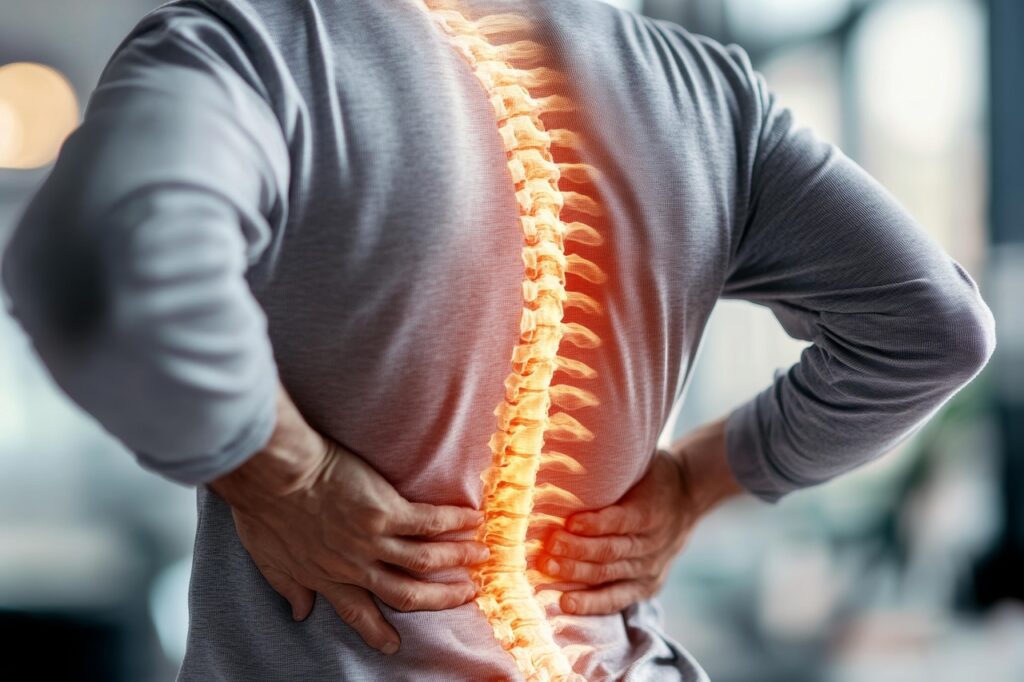
Your spine is made up of vertebrae cushioned by intervertebral discs. Each disc has a tough outer layer called the annulus fibrosus and a gel-like centre called the nucleus pulposus. A herniated disc occurs when the inner material pushes through a crack or weakness in the outer layer. This can happen in any region of the spine, but it most commonly affects the lumbar (lower back) or cervical (neck) spine.
When the disc material bulges or leaks, it can press against nearby spinal nerves, triggering inflammation and pain. Depending on where the herniation is located, you might experience local back or neck pain, radiating pain down an arm or leg, numbness or tingling in your extremities, or muscle weakness. In lumbar cases, this radiating leg pain is often referred to as sciatica.
According to the Ontario Ministry of Health, musculoskeletal conditions are among the leading causes of disability and reduced quality of life in the province. Herniated discs contribute significantly to this burden, particularly among working-age adults.
How Physiotherapy in Newmarket Addresses Herniated Discs
Physiotherapy does not aim to push the disc back into place, which is a common misconception. Instead, it focuses on reducing inflammation, restoring functional movement, relieving nerve irritation, and strengthening the structures that support your spine. This multi-pronged approach is what makes physiotherapy one of the most recommended first-line treatments for herniated discs in Canada.
The Public Health Agency of Canada emphasizes that active, non-surgical treatment strategies are effective for the majority of people with disc-related back pain. Conservative management through physiotherapy, when appropriately applied, can help most patients avoid surgery altogether.
Manual Therapy and Spinal Mobilization
Hands-on techniques such as joint mobilization and soft tissue therapy help reduce muscle guarding, improve spinal mobility, and ease the mechanical load on the affected disc. In my clinical practice, I often begin with gentle manual therapy techniques to help patients experience meaningful pain relief early in their treatment journey, which builds confidence and sets the tone for the active rehabilitation that follows.
Therapeutic Exercise and Core Stabilization
A progressive exercise program is the backbone of any herniated disc rehabilitation plan. The goal is to strengthen the deep core muscles that stabilize the lumbar and cervical spine, reducing stress on the discs themselves. Exercises are carefully sequenced to match each patient’s current level of tolerance and function, gradually increasing in demand as recovery progresses.
Movement optimization is something I am particularly passionate about. A patient who returns to daily activities with better movement habits is far less likely to experience re-injury. This is especially important for patients in Newmarket who are physically active or whose jobs place repeated demands on their spines.
In Newmarket, many of the patients we see with herniated disc symptoms spend long hours sitting at desks, commuting, lifting at work, or managing physically demanding routines. These lifestyle and occupational factors often influence both the onset of symptoms and the recovery process. Addressing these daily movement patterns is an important part of long-term rehabilitation.
Postural Education and Ergonomic Advice
How you sit, stand, and move throughout the day plays a major role in how quickly you recover. Your physiotherapist in Newmarket will assess your posture, discuss your work and home environment, and provide practical strategies to reduce disc loading during everyday activities. Small adjustments can have a surprisingly large impact on symptom management.
Modalities to Support Recovery
Depending on your individual presentation, your physiotherapy plan may also include modalities such as ultrasound therapy, interferential current, or traction to complement your hands-on and exercise-based treatment. These tools may be used selectively in certain cases to help manage pain or improve comfort during rehabilitation, but active treatment approaches such as exercise, movement retraining, and patient education remain the foundation of long-term recovery.
Who Can Benefit from Physiotherapy for a Herniated Disc?
In my experience working with patients in Newmarket, herniated disc presentations are more varied than many people expect. Physiotherapy can benefit a wide range of individuals, including:
- Adults dealing with acute or subacute low back pain with or without leg symptoms
- Individuals with neck pain and radiating arm symptoms from a cervical disc herniation
- People who have completed disc surgery and are working through post-operative rehabilitation
- Older adults managing age-related disc degeneration alongside chronic pain
- Active individuals or athletes looking to return to sport or physical activity safely
Given my interest in geriatric rehabilitation and chronic pain management, I am particularly attuned to how herniated disc symptoms can present differently in older patients and how treatment needs to be adapted to reflect individual health history, mobility, and goals.
When Should You See a Physiotherapist in Newmarket?
Many people wait too long before seeking help. Early intervention often leads to faster recovery and fewer complications. You should consider booking an assessment with a physiotherapy clinic in Newmarket if you are experiencing any of the following:
- Back or neck pain that has persisted for more than a few days without improvement
- Pain that radiates down your arm or leg
- Numbness, tingling, or weakness in your limbs
- Difficulty performing routine activities due to back or neck pain
- You have had a disc injury in the past and want to prevent recurrence
That said, if you are experiencing bowel or bladder dysfunction alongside your back pain, or you have sudden severe weakness in both legs, please seek emergency medical care immediately, as these may be signs of a more serious spinal condition requiring urgent assessment.
Do You Always Need an MRI for a Herniated Disc?
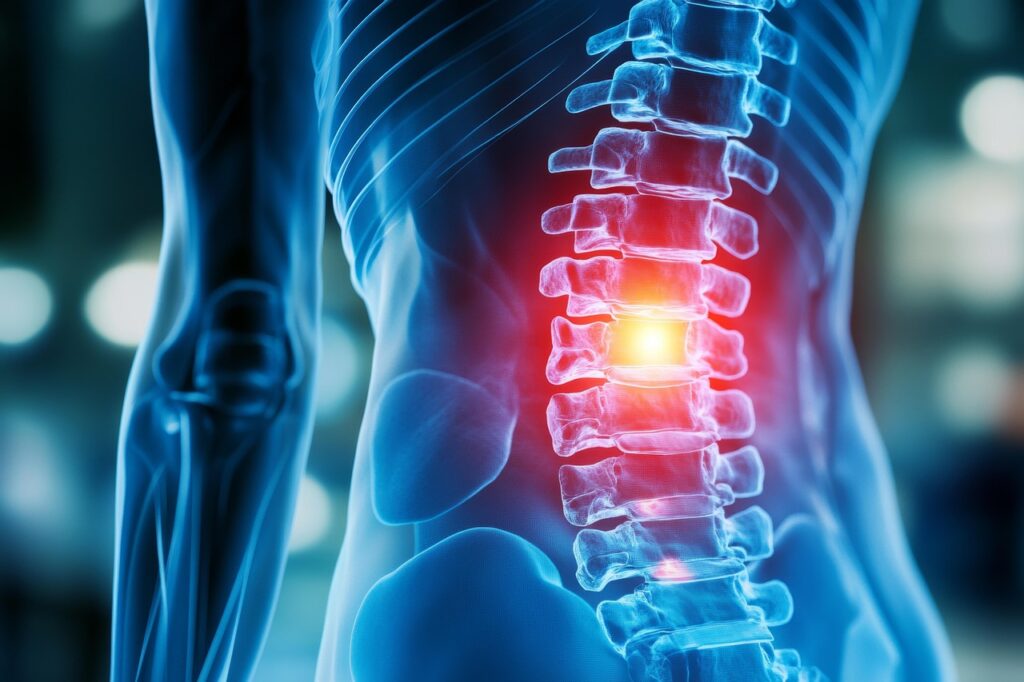
Not necessarily. Many herniated disc cases can be assessed effectively through a detailed clinical examination and symptom history. Imaging, such as MRI, is typically recommended when symptoms are severe, neurological deficits are progressing, or conservative treatment is not improving symptoms as expected.
Research has shown that imaging findings do not always correlate directly with pain levels. Some people may have disc bulges visible on MRI without experiencing symptoms at all. This is one reason why treatment decisions should always consider the individual patient, not imaging results alone.
What to Expect During Your Physiotherapy Assessment in Newmarket
Your initial physiotherapy assessment is designed to understand both your symptoms and the underlying factors contributing to your pain. During your appointment, your physiotherapist may assess:
- Spinal mobility and movement patterns
- Muscle strength and flexibility
- Nerve tension and neurological symptoms
- Posture and ergonomic habits
- Walking mechanics and functional movement
- Activities or positions that aggravate your symptoms
This detailed assessment helps guide a personalized rehabilitation plan tailored to your condition, activity level, work demands, and recovery goals.
What the Evidence Says About Physiotherapy for Disc Pain
The clinical evidence supporting physiotherapy for herniated disc management is strong and well-established. Research consistently shows that combining manual therapy with targeted exercise produces better outcomes than either approach alone. Studies published in leading journals of musculoskeletal medicine have demonstrated significant reductions in pain, disability, and healthcare utilization among patients who pursue structured physiotherapy care.
Health Canada and Canadian clinical practice guidelines for low back pain recommend active, patient-centered rehabilitation as a core treatment strategy. Surgery is generally reserved for cases where conservative management has not produced adequate improvement after an appropriate trial or when neurological symptoms are progressing.
From a clinical standpoint, what I find most compelling about physiotherapy for herniated discs is how empowering it can be. Patients who understand their condition and learn to manage it actively tend to experience better long-term outcomes than those who rely solely on passive treatments.
A Personalized Approach to Disc Rehabilitation in Newmarket
No two herniated disc presentations are exactly alike, and that is precisely why cookie-cutter treatment plans often fall short. At PhysioChiroWellness in Newmarket, the focus is on understanding each patient as an individual. That means looking beyond the imaging report or the diagnosis and asking: What are this person’s goals? What does their daily life look like? What emotional or lifestyle factors might be influencing their recovery?
With over ten years of clinical experience, I have learned that the physical, emotional, and lifestyle dimensions of recovery are deeply interconnected. A patient who is anxious about re-injury may need as much reassurance and education as they do hands-on treatment. A patient who has adapted poor movement habits to cope with pain may need just as much coaching on movement quality as they do strengthening exercises.
My aim is always to help patients move with greater confidence and comfort, and to equip them with the practical tools they need to stay well long after their formal treatment has ended. Related services that complement disc rehabilitation include chiropractic care, massage therapy for pain and tension relief, and targeted strength and conditioning programs.
Key Takeaways
- A herniated disc occurs when the inner gel of a spinal disc pushes through its outer casing, often irritating nearby nerves and causing pain, numbness, or weakness.
- Physiotherapy in Newmarket offers evidence-informed treatment including manual therapy, therapeutic exercise, postural correction, and patient education.
- Early intervention leads to better outcomes. Do not wait until your pain becomes severe before seeking help.
- Most people with herniated discs respond well to conservative physiotherapy management and can avoid surgery.
- Personalized, goal-oriented rehabilitation is the most effective approach for lasting recovery.
- PhysioChiroWellness in Newmarket provides comprehensive, individualized physiotherapy care tailored to your needs.
Frequently Asked Questions
How many physiotherapy sessions will I need for a herniated disc?
The number of sessions varies depending on the severity of your symptoms, how long you have had them, and how your body responds to treatment. Many patients begin to notice meaningful improvement within four to six sessions, while others with more chronic or complex presentations may benefit from a longer course of care. Your physiotherapist in Newmarket will reassess your progress regularly and adjust your plan accordingly.
Can physiotherapy make a herniated disc worse?
When provided by a qualified physiotherapist who conducts a thorough assessment and tailors treatment to your specific presentation, physiotherapy is safe and beneficial. Some temporary soreness after treatment is normal, particularly in the early stages. If your symptoms worsen significantly or new neurological symptoms develop, it is important to communicate this with your therapist promptly.
Do I need a referral to see a physiotherapist in Newmarket?
In Ontario, you do not need a physician referral to access physiotherapy services. You can book directly with a physiotherapy clinic in Newmarket. That said, some extended health benefit plans may require a referral for insurance purposes, so it is worth checking with your provider before your first appointment.
Is physiotherapy covered under OHIP for herniated disc treatment?
Publicly funded physiotherapy through OHIP is available to specific groups in Ontario, including people over 65, children under 19, and those on social assistance following an eligible hospitalization or procedure. For most working-age adults, physiotherapy is covered through employer-provided extended health benefits or paid privately. It is advisable to confirm your coverage before beginning treatment.
How is physiotherapy for a herniated disc different from chiropractic care?
Both physiotherapy and chiropractic care can be beneficial for herniated discs, and many patients benefit from an integrated approach. Physiotherapy tends to place a strong emphasis on exercise rehabilitation, movement re-education, and long-term functional recovery, while chiropractic care often focuses more on spinal manipulation and alignment. At PhysioChiroWellness in Newmarket, both disciplines are available under one roof, allowing for coordinated, complementary care.
Can I exercise at home between physiotherapy sessions in Newmarket?
Yes, and it is strongly encouraged. Home exercise programs are a core component of effective herniated disc rehabilitation. Your physiotherapist will teach you specific exercises suited to your condition and ensure you can perform them safely and correctly. Consistency with your home program between clinic visits can meaningfully accelerate your recovery.
Ready to Take the Next Step? Book Your Physiotherapy Consultation in Newmarket
Your first physiotherapy appointment at PhysioChiroWellness in Newmarket includes a detailed assessment, movement evaluation, and personalized rehabilitation plan designed around your symptoms, lifestyle, and goals. Whether your pain is recent or something you have been managing for months, early treatment can help improve recovery outcomes and reduce the risk of ongoing irritation or re-injury.
Whether you are in the early stages of a disc injury or have been dealing with chronic symptoms for months, personalized physiotherapy care can make a meaningful difference. Our team takes the time to truly understand your situation and design a treatment plan that fits your body, your goals, and your lifestyle.
Click here to book your initial assessment today. Serving Newmarket and the surrounding communities, we are here to help you move better and feel better, one step at a time.
References
- Government of Canada – Back Pain and Musculoskeletal Health
- Public Health Agency of Canada – Chronic Pain in Canada
- Choosing Wisely Canada – Imaging and Low Back Pain Recommendations
- Canadian Physiotherapy Association – Role of Physiotherapy in Spine Care
- National Institute for Health and Care Excellence (NICE) – Low Back Pain and Sciatica Guidelines
Medical Disclaimer
The information provided in this blog post is intended for general informational and educational purposes only. It does not constitute medical advice and should not be used as a substitute for professional healthcare guidance, diagnosis, or treatment. If you are experiencing pain, neurological symptoms, or any other health concerns, please consult a qualified healthcare professional. In the event of a medical emergency, contact emergency services immediately.
About the Author
Kristine Nidea, Registered Physiotherapist
Kristine Nidea is a Registered Physiotherapist in Ontario and is in good standing with the College of Physiotherapists of Ontario. With more than 10 years of clinical experience, she helps patients manage musculoskeletal injuries, chronic pain conditions, mobility limitations, pelvic health concerns, and neurological rehabilitation needs.
Her treatment approach combines evidence-informed physiotherapy, movement optimization, patient education, and individualized rehabilitation planning. Kristine has a strong clinical interest in spinal rehabilitation, chronic pain management, functional recovery, geriatric physiotherapy, and long-term movement health.
Experienced in treating a wide range of musculoskeletal and neurological conditions, pelvic floor dysfunction, chronic pain, and geriatric concerns, Kristine has a special interest in functional rehabilitation, movement optimization, and long-term wellness. Whether supporting injury recovery, improving balance and strength, addressing pelvic health concerns, or enhancing overall function, Kristine is committed to helping patients move with greater confidence and comfort.