
Physiotherapy For Back Pain In Vaughan
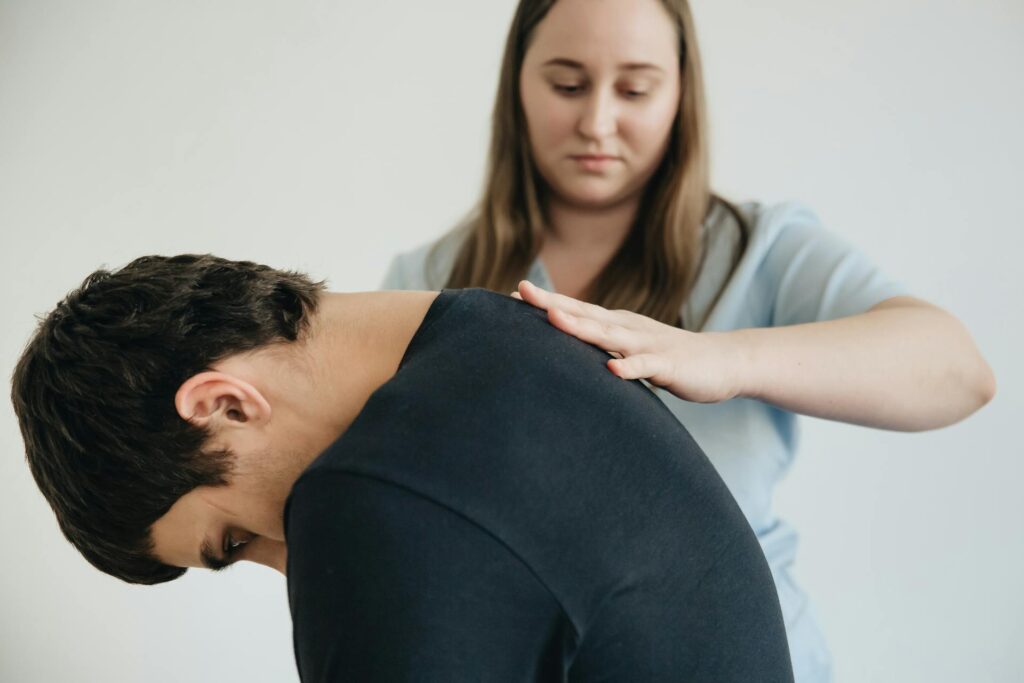
Physiotherapy For Back Pain In Vaughan: What You Need To Know Before Your First Visit
Published: June 2026 | Last Updated: June 2026
Written by: Branden I. McKnight, MSc Physiotherapy | Medically Reviewed by: PhysioChiroWellness Clinical Team, Vaughan
If you’ve been waking up stiff, struggling to sit through a workday, or avoiding activities you love because of back pain, you’re not alone. Back pain is one of the most common reasons Canadians seek medical care, and for many residents in Vaughan, it becomes a real barrier to everyday life. The good news? Physiotherapy in Vaughan offers a structured, evidence-informed path back to doing what matters most to you.
Whether your pain came on gradually or hit you out of nowhere, understanding how physiotherapy addresses back pain can help you take that first confident step toward recovery.
Back Pain Is More Common Than Most People Realize
Back pain is one of the leading causes of disability worldwide and affects people of all ages and activity levels. Research suggests that up to 80% of adults will experience low back pain at some point in their lives. For many people, symptoms resolve within a few weeks, but others develop recurring or persistent pain that interferes with work, exercise, sleep, and everyday activities.
The encouraging news is that most back pain does not require surgery. Early assessment, education, exercise, and evidence-based rehabilitation through physiotherapy can help many individuals return to normal activities while reducing the risk of future episodes.
Understanding Back Pain: More Than Just an Ache
Back pain isn’t a single condition. It’s an umbrella term that covers a wide range of issues, from muscle strains and ligament sprains to disc herniations, sciatica, postural dysfunction, and spinal stenosis. In my clinical experience, the majority of patients who come through the door at PhysioChiroWellness present with what we call non-specific low back pain, meaning the pain is real and limiting, but not caused by a serious structural disease. That’s actually encouraging, because this type responds well to physiotherapy.
According to the Public Health Agency of Canada, musculoskeletal conditions, including back pain, are among the leading causes of disability in the country. They affect work productivity, mental health, and quality of life across all age groups. Yet many people either wait too long to seek treatment or assume back pain will go away on its own. Sometimes it does. Often, though, untreated back pain becomes chronic, and chronic pain is significantly harder to manage.
Common Types of Back Pain We See in Vaughan
- Acute mechanical back pain: Often from a sudden movement, heavy lifting, or a sports injury. The pain is sharp and localized, and it tends to respond quickly to physiotherapy when treated early.
- Chronic low back pain: Pain lasting more than 12 weeks. This often involves changes in how the nervous system processes pain, and treatment needs to address both the physical and neurological components.
- Disc-related pain: When a disc bulges or herniates, it can press on nearby nerves, causing radiating pain down the leg (sciatica). Manual therapy, targeted exercise, and nerve mobilization techniques are commonly used here.
- Postural back pain: Increasingly common in desk workers and students, this develops from sustained poor posture. We’re seeing more of this in communities like Patterson and Thornhill, especially in people who shifted to remote work.
- Post-surgical back pain: Recovery after spinal surgery requires careful, progressive rehabilitation. Physiotherapy plays a central role in restoring function and preventing re-injury.
Many patients seeking physiotherapy in Vaughan work in office settings, healthcare, manufacturing, construction, transportation, and other physically demanding industries. The repetitive movements, prolonged sitting, lifting requirements, and workplace demands associated with these occupations often contribute to the development of back pain and influence the rehabilitation strategies used during treatment.
How Physiotherapy in Vaughan Can Help With Back Pain
Physiotherapy works by identifying the root cause of your pain rather than just masking symptoms. A registered physiotherapist will complete a thorough assessment covering your movement patterns, strength, flexibility, posture, and neurological function before putting together a treatment plan tailored to you.
I completed my Master of Science in Physiotherapy at Brunel University London in 2019, and before that, I worked as a Registered Kinesiologist, which gave me a deep foundation in human movement and rehabilitation science. That background shapes how I approach every patient assessment. Before I suggest any treatment, I want to understand how your back pain affects your specific life, your job, your hobbies, and your sleep. In clinical practice, one of the most common misconceptions I encounter is that complete rest is the best solution for back pain. While temporary activity modification may be appropriate in some cases, current evidence generally supports staying active within comfortable limits and gradually returning to normal movement as part of the recovery process.
Treatment for back pain through physiotherapy in Vaughan typically includes a combination of the following:
Manual therapy: Hands-on techniques including joint mobilization, soft tissue massage, and myofascial release to reduce pain and improve movement.
Therapeutic exercise: Targeted strengthening and mobility exercises that address the specific muscles and movement patterns contributing to your pain. These progress over time as you improve.
Education: Understanding pain science, posture, ergonomics, and movement strategies is a critical part of recovery. Patients who understand their condition tend to recover faster and have fewer relapses.
Modalities: Techniques such as TENS (transcutaneous electrical nerve stimulation), ultrasound, or heat and cold therapy may be used to manage pain and inflammation.
Postural and ergonomic training: For patients in Vellore Village, Concord, or Maple spending hours at a desk, learning how to set up your workstation and maintain healthy posture can be transformative.
Who Benefits From Physiotherapy For Back Pain?
Back pain physiotherapy isn’t just for athletes or seniors. It’s for anyone whose back pain is affecting their daily function. That includes:
- Office workers and remote employees dealing with postural strain
- Tradespeople and manual laborers recovering from work-related injuries
- Individuals involved in motor vehicle accidents with whiplash or lumbar injuries
- Athletes in Kleinburg, Woodbridge, and Sonoma Heights recovering from sports injuries
- Older adults managing degenerative disc disease or spinal stenosis
- Post-surgical patients rehabilitating after spinal procedures
- Pregnant women experiencing pregnancy-related low back and pelvic pain
I’ve worked with patients across all these categories, and one thing is consistent: individualized care produces better outcomes than generic, one-size-fits-all protocols. If you’re managing a workplace injury or an MVA claim, physiotherapy in Vaughan is also covered under many WSIB and auto insurance plans.
When Should You See a Physiotherapist in Vaughan?
There’s no need to be in severe pain before booking an appointment. In fact, earlier intervention typically leads to faster recovery and reduces the risk of developing chronic pain. You should consider seeking physiotherapy in Vaughan if:
- Your back pain has persisted for more than a few days without improvement
- The pain is interfering with work, sleep, or daily activities
- You’re experiencing pain, numbness, or tingling radiating into your legs
- You’ve recently had a fall, accident, or sports injury involving your back
- You’re recovering from back surgery and want to rebuild strength and mobility
- You’ve been managing back pain with medication alone and want a more sustainable approach
The Ontario Ministry of Health recognizes physiotherapy as a regulated health profession under the Regulated Health Professions Act, and physiotherapists are trained to screen for red flag symptoms that would require referral to a physician or specialist. You don’t need a doctor’s referral to see a physiotherapist in Ontario, though some insurance plans may require one for coverage.
When Back Pain Requires Immediate Medical Attention
Although most back pain is mechanical in nature and responds well to conservative treatment, some symptoms may indicate a more serious underlying condition that requires urgent medical assessment.
Seek immediate medical attention if you experience:
- Loss of bladder or bowel control
- Significant numbness in the groin or saddle region
- Progressive weakness in one or both legs
- Severe pain following a major fall or accident
- Unexplained weight loss accompanied by back pain
- Persistent fever, chills, or signs of infection
- A history of cancer with new or worsening back pain
Physiotherapists are trained to screen for these warning signs during an assessment and can refer patients to the appropriate healthcare provider when necessary.
Evidence-Informed Care for Back Pain
The clinical evidence in support of physiotherapy for back pain is well established. Current Canadian and international guidelines consistently recommend active rehabilitation, patient education, and manual therapy as first-line treatments for both acute and chronic low back pain, ahead of passive approaches like prolonged bed rest or long-term reliance on pain medication.
A 2017 Lancet series on low back pain, widely referenced by Canadian clinicians, emphasized that exercise and physical activity are among the most effective long-term strategies for managing back pain. Guidelines from the Ontario Ministry of Health and Long-Term Care similarly recognize physiotherapy as a key component of musculoskeletal care.
This evidence aligns with the approach we take at PhysioChiroWellness. Treatment is grounded in current research, adapted to what works for each individual, and focused on building the capacity for long-term self-management, not just short-term symptom relief.

What to Expect at Your First Physiotherapy Appointment in Vaughan
Your initial session will be a comprehensive assessment. I’ll ask you detailed questions about your history, the nature of your pain, what makes it better or worse, and your goals for treatment. I’ll also complete a physical assessment that examines your range of motion, strength, posture, and any neurological signs.
From there, we build a plan together. Most patients with acute back pain begin to feel meaningful improvement within a few sessions. Chronic cases or post-surgical recoveries may take longer, but the trajectory is typically positive with consistent effort.
At PhysioChiroWellness, we serve patients across Vaughan, including Woodbridge, Maple, Kleinburg, Concord, Patterson, Thornhill (Vaughan side), Vellore Village, Sonoma Heights, and Pine Valley. Our team is committed to making high-quality, personalized physiotherapy accessible to the communities we live and work in.
How Long Does Recovery Take?
Recovery timelines vary depending on the cause of the condition, the duration of symptoms, overall health, and adherence to the treatment plan.
While every case is unique:
- Mild strains may improve within a few weeks
- Acute low back pain often improves within 4 to 6 weeks
- Chronic pain may require several months of structured rehabilitation
- Post-surgical rehabilitation timelines depend on the procedure performed and individual healing factors
During treatment, your physiotherapist will regularly reassess your progress and adjust recommendations based on your recovery.
What You Can Do at Home Between Physiotherapy Visits
Successful recovery often involves more than what happens during appointments. Consistency between visits plays an important role in long-term outcomes.
Depending on your condition, your physiotherapist may recommend:
- A personalized home exercise program
- Walking or other low-impact physical activity
- Movement modifications during work or recreational activities
- Ergonomic adjustments for your workstation
- Stretching and mobility exercises
- Activity pacing strategies to avoid symptom flare-ups
Small daily improvements often produce better long-term results than occasional intense efforts. Following your prescribed home program can help accelerate recovery and reduce the likelihood of future episodes.
Key Takeaways
Back pain is incredibly common, but it doesn’t have to be something you simply live with. Physiotherapy in Vaughan offers a personalized, evidence-based approach that addresses the root cause of your pain rather than just managing symptoms. Whether you’re dealing with a recent strain, chronic low back pain, post-surgical recovery, or radiating sciatic pain, there’s a structured pathway to feeling better.
Getting assessed early, staying active within your tolerance, and following through with a tailored exercise program are the most reliable predictors of a good outcome. The team at PhysioChiroWellness is here to guide you through every stage of that process, from your first appointment to your last.
Frequently Asked Questions About Physiotherapy in Vaughan
Do I need a doctor’s referral to see a physiotherapist in Vaughan?
No. In Ontario, you can book directly with a registered physiotherapist without a physician’s referral. Some private insurance plans may require one for reimbursement, so it’s worth checking your benefits ahead of time.
How many physiotherapy sessions will I need for back pain?
This depends on the nature and severity of your condition. Acute back pain may resolve with 4 to 8 sessions, while chronic pain or post-surgical cases may require more extended care. Your physiotherapist will outline a realistic timeline during your initial assessment.
Is physiotherapy covered under OHIP in Ontario?
Physiotherapy is covered by OHIP in limited circumstances, primarily for eligible patients at publicly funded physiotherapy clinics. Most residents in Vaughan access physiotherapy through private insurance, WSIB (for workplace injuries), or auto insurance (for MVA injuries). Check your plan for details.
What should I wear to my physiotherapy appointment?
Wear comfortable, loose-fitting clothing that allows easy access to your back and legs. Athletic wear is ideal. Avoid tight jeans or clothing that restricts movement during assessment.
Can physiotherapy help if I’ve already had back surgery?
Yes. Post-surgical physiotherapy is an important part of recovery after spinal procedures. Rehabilitation is carefully paced and progressed to protect the surgical site while rebuilding strength, mobility, and function.
Is physiotherapy painful?
Some hands-on techniques may cause temporary discomfort, but treatment should never be excessively painful. Your physiotherapist will work within your tolerance and adjust as needed. Mild muscle soreness after exercise is normal, especially early in treatment.
Book Your Physiotherapy Consultation in Vaughan Today
Back pain responds best to early, active treatment. If you’re ready to stop guessing and start recovering, the team at PhysioChiroWellness is here to help. We provide individualized physiotherapy care across Vaughan, including Woodbridge, Maple, Kleinburg, Concord, Patterson, Thornhill (Vaughan side), Vellore Village, Sonoma Heights, and Pine Valley.
References
The information in this article is informed by guidance and research from the following organizations and publications:
- Public Health Agency of Canada – Musculoskeletal Health Resources
- Ontario Ministry of Health – Physiotherapy Services
- Canadian Physiotherapy Association – Low Back Pain Resources
- World Health Organization – Musculoskeletal Health
- Foster NE, Anema JR, Cherkin D, et al. Prevention and Treatment of Low Back Pain. The Lancet.
- National Institute for Health and Care Excellence (NICE) Guidelines for Low Back Pain and Sciatica
Medical Review Process
Content published by PhysioChiroWellness is written or reviewed by regulated healthcare professionals and is intended to reflect current evidence, clinical practice guidelines, and accepted standards of care at the time of publication. Healthcare information evolves, and this article may be updated periodically to maintain accuracy and relevance.
Medical Disclaimer
The information provided in this blog post is intended for general educational purposes only and does not constitute medical advice. It is not a substitute for professional diagnosis, treatment, or guidance from a licensed healthcare provider. If you are experiencing back pain or any other medical condition, please consult a qualified physiotherapist or physician before beginning any treatment program. Always seek the advice of your healthcare provider regarding any questions you may have about a medical condition.
About the Author
Branden I. McKnight, MSc, Physiotherapist
Branden I. McKnight graduated from Brunel University London with a Master of Science degree in Physiotherapy in 2019. Before completing his graduate studies, he earned his degree in Human Kinetics from the University of Windsor in 2015. He accumulated hands-on clinical experience as a Registered Kinesiologist, working with a diverse range of patients across a variety of conditions.
Branden has a particular interest in athletic rehabilitation, with a specialization in ankle and balance rehab. His clinical experience spans vestibular rehabilitation, post-surgical recovery, workplace injuries, and motor vehicle accident rehabilitation. He works with patients of all ages and backgrounds, from competitive athletes to seniors managing chronic conditions.
Branden’s philosophy as a physiotherapist is grounded in education, progressive exercise, manual therapy techniques, and evidence-based modalities, all applied to improve each patient’s general and sport-specific fitness, functional performance, and quality of life. He is a registered member of the College of Physiotherapists of Ontario and practices at PhysioChiroWellness, serving the Vaughan community and surrounding areas.