
What is Rehab Exercise?
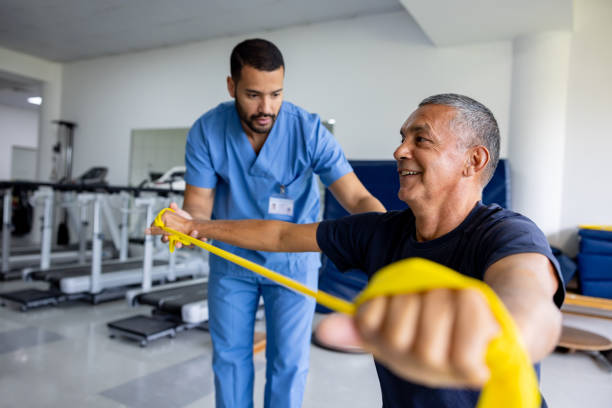
What Is Rehab Exercise? A Guide to Recovery with Physiotherapy in Newmarket
Published: March 2025 | Last Updated: July 2026
Written by: Branden I. McKnight, MSc Physiotherapy | Medically Reviewed by: PhysioChiroWellness Clinical Team, Vaughan
Ever watched someone recover from an injury or surgery and thought, “How did they do it?” The answer often lies in something called rehab exercise, a personalized approach to healing that helps people regain strength, mobility, and confidence. At PhysioChiroWellness, we’re proud to offer physiotherapy in Newmarket, and rehab exercises are a big part of how we help our patients get back on their feet. Whether you’re healing from a sports injury, surgery, or just dealing with everyday aches and pains, rehab exercises might be the game-changer you’ve been looking for.
But what exactly is rehab exercise, and how can it help you? Let’s break it down in a way that’s easy to understand.
What Is Rehab Exercise?
Rehab exercise, or rehabilitation exercise, is like a custom workout plan designed specifically for your recovery. It’s not your typical gym routine; it’s a carefully crafted set of movements and stretches tailored to your unique needs. Think of it as physical therapy meets personal training, but with a focus on healing rather than just fitness.
These exercises are designed to help you recover from injuries, surgeries, or chronic conditions by improving strength, flexibility, balance, and overall function. Whether you’re bouncing back from a sprained ankle, recovering from knee surgery, or managing arthritis, rehab exercises can help you feel like yourself again.
Why Rehab Exercise Is Never One-Size-Fits-All
Although many rehabilitation exercises may look simple, they are carefully selected based on your specific condition, symptoms, and stage of recovery. A physiotherapist considers factors such as the injured tissues, your range of motion, muscle strength, balance, daily activities, and long-term goals before creating a program.
For example, someone recovering from an ankle sprain requires a different rehabilitation plan than someone recovering from shoulder surgery or managing chronic low back pain. Even two people with the same diagnosis may receive different exercises depending on their age, activity level, and how their body responds to treatment.
At PhysioChiroWellness in Newmarket, every rehabilitation program is designed to progress safely as your strength, mobility, and confidence improve. Exercises are modified over time to continue challenging your body while reducing the risk of setbacks or re-injury.
How Does Rehab Exercise Work? Insights from Physiotherapy in Newmarket
At PhysioChiroWellness, we get this question a lot: “How do these exercises actually help me recover?” The magic lies in their ability to target the root cause of your pain or limitations. Here’s the lowdown:
1. Restore Mobility:
After an injury or surgery, your body might feel stiff or tight. Rehab exercises gently stretch and strengthen your muscles, helping you move more freely. Restoring normal movement early in recovery also helps prevent nearby joints and muscles from becoming stiff or compensating for the injury, which can lead to additional discomfort.
2. Build Strength:
Weak muscles can lead to pain and instability. Rehab exercises focus on rebuilding strength in the areas that need it most, so you’re less likely to get hurt again. Strengthening the muscles surrounding an injured joint improves stability, supports proper movement patterns, and helps reduce the chance of future injuries.
3. Improve Balance and Coordination:
Injuries can throw off your balance, making even simple tasks feel challenging. Rehab exercises include activities that help you regain your footing, literally. Balance exercises also improve proprioception, which is your body’s ability to sense its position and movement. This is especially important after ankle injuries, knee injuries, and neurological conditions.
4. Reduce Pain:
By addressing the underlying cause of your pain, rehab exercises can provide lasting relief. Regular movement also encourages healthy circulation, reduces joint stiffness, and supports the body’s natural healing process, making everyday activities easier over time.
Examples of Rehabilitation Exercises
The exercises included in your rehabilitation program depend on your condition and recovery goals. Some commonly prescribed rehabilitation exercises include:
- Heel slides to improve knee mobility after surgery.
- Straight leg raises to strengthen the quadriceps without placing excessive stress on the knee.
- Bridges to strengthen the hips and core.
- Clamshell exercises to improve hip stability.
- Shoulder pendulum exercises during early shoulder rehabilitation.
- Balance exercises using one leg or a balance pad to improve stability.
- Resistance band exercises to rebuild strength.
- Calf raises to improve ankle strength and walking ability.
While these exercises are commonly used in physiotherapy, it is important to perform only the exercises recommended by your physiotherapist in Newmarket. The wrong exercise or incorrect technique may delay recovery or worsen symptoms.
The Different Stages of a Rehabilitation Exercise Program
Recovery rarely happens all at once. Most rehabilitation programs follow a series of stages, with each phase building on the progress made in the previous one.
Early Stage: Managing Pain and Protecting the Injury
The first goal is to reduce pain, swelling, and stiffness while protecting healing tissues. Gentle movements and light exercises help maintain circulation and prevent excessive loss of mobility without placing unnecessary stress on the injured area.
Restoring Mobility
As healing progresses, exercises focus on improving joint mobility and flexibility. Regaining normal movement is an important step before advancing to more demanding activities.
Building Strength and Stability
Once movement improves, strengthening exercises help restore muscle function and joint stability. This stage often includes resistance exercises that improve endurance and reduce the likelihood of future injuries.
Improving Balance and Functional Movement
Balance, coordination, and movement control are essential for everyday activities. Functional exercises help patients safely return to walking, climbing stairs, lifting objects, working, or participating in sports.
Returning to Normal Activities
The final stage prepares patients to return to work, recreational activities, or athletic performance. Your physiotherapist gradually increases the difficulty of exercises to ensure your body is ready for the physical demands of daily life.
Common Conditions Treated with Rehab Exercise in Newmarket
Curious if rehab exercises could help you? Here are some of the most common conditions we treat with physiotherapy in Newmarket:
- Sports Injuries: Whether you’re a weekend warrior or a competitive athlete, rehab exercises can help you recover from sprains, strains, and more.
- Post-Surgery Recovery: Had knee replacement surgery or a rotator cuff repair? Rehab exercises are key to getting back to your normal routine.
- Chronic Pain: Living with arthritis, fibromyalgia, or chronic back pain? Rehab exercises can help you manage your symptoms and improve your quality of life.
- Work-Related Injuries: If your job involves repetitive movements or heavy lifting, rehab exercises can help you recover and prevent future injuries.
- Neurological Conditions: Rehab exercises are also used to help patients recover from strokes, spinal cord injuries, and other neurological conditions.
When Should You Start Rehab Exercises in Newmarket?
One of the most common questions patients ask is when they should begin rehabilitation exercises. The answer depends on the type and severity of the injury, but in many cases, starting gentle, guided movement earlier rather than later can support recovery.
For acute injuries such as sprains or muscle strains, your physiotherapist may recommend gentle exercises once the initial pain and swelling have begun to settle. Following surgery, rehabilitation typically begins according to your surgeon’s recommendations and progresses gradually as healing occurs.
Delaying rehabilitation for too long may lead to muscle weakness, joint stiffness, reduced flexibility, and slower recovery. On the other hand, progressing too quickly without professional guidance can place unnecessary stress on healing tissues.
A physiotherapist can determine the appropriate time to begin rehabilitation exercises and adjust your program as your recovery progresses, helping you return safely to your normal daily activities, work, or sports.
What Does the Research Say?
Rehabilitation exercise is one of the most well-supported treatments in physiotherapy. Clinical practice guidelines consistently recommend exercise therapy as a first-line treatment for many musculoskeletal conditions because it helps reduce pain, improve mobility, restore strength, and support long-term recovery.
Research has shown that individualized rehabilitation exercise programs can improve outcomes for people recovering from sports injuries, orthopedic surgery, arthritis, and chronic low back pain. Rather than simply treating symptoms, progressive exercise helps restore normal movement patterns, improve joint stability, and reduce the risk of future injuries.
Studies have also found that patients who actively participate in their rehabilitation programs often experience better functional outcomes than those who rely on rest alone. Guided movement encourages healthy tissue healing, maintains muscle strength, and helps patients regain confidence in performing everyday activities.
At PhysioChiroWellness, rehabilitation exercise programs are combined with thorough assessments and evidence-based physiotherapy techniques to ensure each treatment plan is tailored to the patient’s condition, goals, and stage of recovery.
What to Expect During a Rehab Exercise Session in Newmarket
If you’re thinking about trying rehab exercises, here’s what a typical session at PhysioChiroWellness looks like:
- Assessment: Your physiotherapist will start by evaluating your condition, asking about your symptoms, and identifying any areas of weakness or tightness.
- Customized Plan: Based on your assessment, your physiotherapist will create a personalized rehab exercise plan just for you.
- Guidance and Support: Your physiotherapist will walk you through each exercise, making sure you’re doing them correctly to get the best results.
- Progress Tracking: As you improve, your physiotherapist will adjust your program to keep you moving forward.

Tips for Getting the Most Out of Rehab Exercises
Want to make the most of your rehab exercise program? Here are some tips to keep in mind:
- Be Consistent: Rehab exercises work best when you do them regularly. Even on days when you’re feeling good, stick to your plan.
- Listen to Your Body: It’s normal to feel some discomfort, but sharp or worsening pain is a sign to stop and check in with your physiotherapist.
- Stay Patient: Recovery takes time, so don’t get discouraged if progress feels slow. Celebrate the small wins along the way!
- Combine with Other Therapies: Rehab exercises work even better when paired with other treatments, like manual therapy, acupuncture, or chiropractic care.
Myth vs. Fact: Understanding Rehabilitation Exercises
Myth: You should avoid all movement until your pain completely disappears.
Fact: While some injuries require temporary rest, prolonged inactivity can lead to stiffness, muscle weakness, and delayed recovery. Gentle, guided exercises are often an important part of the healing process.
Myth: Rehabilitation exercises are only for athletes.
Fact: Rehabilitation exercises can benefit people of all ages and activity levels, including office workers, seniors, individuals recovering from surgery, and anyone living with chronic pain.
Myth: The more exercises you do, the faster you’ll recover.
Fact: Recovery depends on performing the right exercises at the appropriate intensity. Doing too much too soon may increase pain or delay healing.
Myth: Once the pain is gone, rehabilitation is finished.
Fact: Pain often improves before strength, balance, and movement have fully recovered. Completing your rehabilitation program helps reduce the risk of future injuries and supports long-term function.
Myth: Online exercise videos can replace a personalized rehabilitation program.
Fact: General exercise videos cannot account for your diagnosis, medical history, recovery stage, or movement patterns. A personalized rehabilitation program provides exercises that are appropriate for your specific needs.
Common Mistakes to Avoid During Rehabilitation
Although rehabilitation exercises are designed to support recovery, performing them incorrectly can slow your progress. Some common mistakes include:
- Returning to sports or heavy activities too soon.
- Skipping prescribed home exercises.
- Increasing resistance or repetitions faster than recommended.
- Ignoring worsening pain or swelling.
- Copying exercises from online videos without a proper assessment.
If an exercise consistently causes sharp pain or new symptoms, stop performing it and speak with your physiotherapist. Your program may need to be adjusted to better match your stage of recovery.
Why Choose PhysioChiroWellness for Physiotherapy in Newmarket?
At PhysioChiroWellness, we’re all about helping our patients recover, heal, and thrive. Our team of experienced physiotherapists takes a holistic approach to care, combining rehab exercises with other evidence-based treatments to get you the best results possible.
Whether you’re recovering from an injury or preparing for surgery, we’re here to support you every step of the way. And with our personalized approach to physiotherapy in Newmarket, you can trust that you’re getting the care you need.
What Our Patients Often Tell Us
Many patients begin rehabilitation feeling uncertain about how much they should move after an injury or surgery. As they progress through a personalized rehabilitation program, they often report improvements such as:
- Greater confidence in walking, climbing stairs, and performing everyday activities.
- Reduced pain and stiffness during daily movement.
- Improved balance, strength, and flexibility.
- Better understanding of how to prevent future injuries.
- A smoother return to work, recreational activities, or sports.
While every recovery is unique, consistent participation in a personalized rehabilitation program often plays an important role in helping patients regain function and improve their quality of life.
When Should You Consider Physiotherapy?
Many people wait too long before seeking treatment, hoping their symptoms will improve on their own. While minor aches may resolve with time, persistent pain or reduced function often benefits from a professional assessment.
You should consider seeing a physiotherapist if you experience:
- Pain that lasts longer than a few days or continues to worsen.
- Swelling that does not improve.
- Difficulty walking, lifting, or performing daily activities.
- Repeated injuries affecting the same area.
- Loss of balance or coordination.
- Reduced strength or limited range of motion.
- Difficulty returning to work or sports after an injury or surgery.
Early assessment and a personalized rehabilitation program can often shorten recovery time and help prevent long-term complications.
Clinical Insight from Branden I. McKnight, MSc, Physiotherapist
Rehabilitation is about much more than reducing pain. The goal is to restore movement, rebuild confidence, and help patients safely return to the activities that matter most to them. Progressive exercise, combined with education and hands-on treatment when appropriate, gives patients the best opportunity for a successful recovery while reducing the risk of future injury.
Frequently Asked Questions About Rehabilitation Exercises
How often should I perform my rehabilitation exercises?
Your physiotherapist in Newmarket will recommend a schedule based on your condition and stage of recovery. Some exercises may be performed daily, while others are completed several times each week. Following your prescribed program consistently is one of the most important factors in achieving the best results.
Can I do rehabilitation exercises at home?
Yes. Many rehabilitation exercises are designed to be performed safely at home after you have been instructed on the proper technique. Your physiotherapist may also update your home exercise program as you continue to improve.
Will rehabilitation exercises make my pain worse?
It is normal to experience mild discomfort when beginning certain exercises, especially after an injury or surgery. However, sharp pain, significant swelling, or worsening symptoms should not be ignored. If this occurs, stop the exercise and contact your physiotherapist for guidance.
How long does a rehabilitation program usually last?
Recovery time varies depending on the injury, surgery, or medical condition being treated. Some patients improve within a few weeks, while others recovering from more complex injuries may require several months of rehabilitation.
Can rehabilitation exercises help prevent future injuries?
Yes. Rehabilitation exercises strengthen muscles, improve flexibility, enhance balance, and restore proper movement patterns. These improvements can reduce stress on joints and lower the risk of future injuries during work, sports, and daily activities.
What is the difference between rehabilitation exercises and regular exercise?
Regular exercise focuses on maintaining or improving overall fitness. Rehabilitation exercises are prescribed to restore function after an injury, surgery, or medical condition. They target specific muscles, joints, and movement patterns that require recovery.
Do I need rehabilitation exercises if my pain has improved?
Often, yes. Pain may decrease before strength, stability, and mobility have fully recovered. Completing your rehabilitation program helps restore normal function and may reduce the likelihood of re-injury.
How do I know if rehabilitation exercises are right for me?
If you are recovering from an injury, surgery, workplace accident, sports injury, or experiencing ongoing pain or reduced mobility, a physiotherapy assessment can determine whether a personalized rehabilitation exercise program would benefit your recovery.
Ready to Start Your Recovery Journey?
If you’re ready to take the first step toward recovery, we’d love to help. At PhysioChiroWellness, your trusted provider of physiotherapy in Newmarket, we’re committed to helping you regain your strength, mobility, and independence.
References
- Canadian Physiotherapy Association
- Physiotherapy Association of British Columbia
- World Health Organization
- National Institutes of Health
- ChoosePT
Medical Review Process
Content published by PhysioChiroWellness is written or reviewed by regulated healthcare professionals and is intended to reflect current evidence, clinical practice guidelines, and accepted standards of care at the time of publication. Healthcare information evolves, and this article may be updated periodically to maintain accuracy and relevance.
Medical Disclaimer
The information provided in this blog post is intended for general educational purposes only and does not constitute medical advice. It is not a substitute for professional diagnosis, treatment, or guidance from a licensed healthcare provider. If you are experiencing back pain or any other medical condition, please consult a qualified physiotherapist or physician before beginning any treatment program. Always seek the advice of your healthcare provider regarding any questions you may have about a medical condition.
About the Author
Branden I. McKnight, MSc, Physiotherapist
Branden I. McKnight graduated from Brunel University London with a Master of Science degree in Physiotherapy in 2019. Before completing his graduate studies, he earned his degree in Human Kinetics from the University of Windsor in 2015. He accumulated hands-on clinical experience as a Registered Kinesiologist, working with a diverse range of patients across a variety of conditions.
Branden has a particular interest in athletic rehabilitation, with a specialization in ankle and balance rehab. His clinical experience spans vestibular rehabilitation, post-surgical recovery, workplace injuries, and motor vehicle accident rehabilitation. He works with patients of all ages and backgrounds, from competitive athletes to seniors managing chronic conditions.
Branden’s philosophy as a physiotherapist is grounded in education, progressive exercise, manual therapy techniques, and evidence-based modalities, all applied to improve each patient’s general and sport-specific fitness, functional performance, and quality of life. He is a registered member of the College of Physiotherapists of Ontario and practices at PhysioChiroWellness, serving the Vaughan community and surrounding areas.