
Chiropractic Care for Sports Injuries: Fast-Track to Recovery
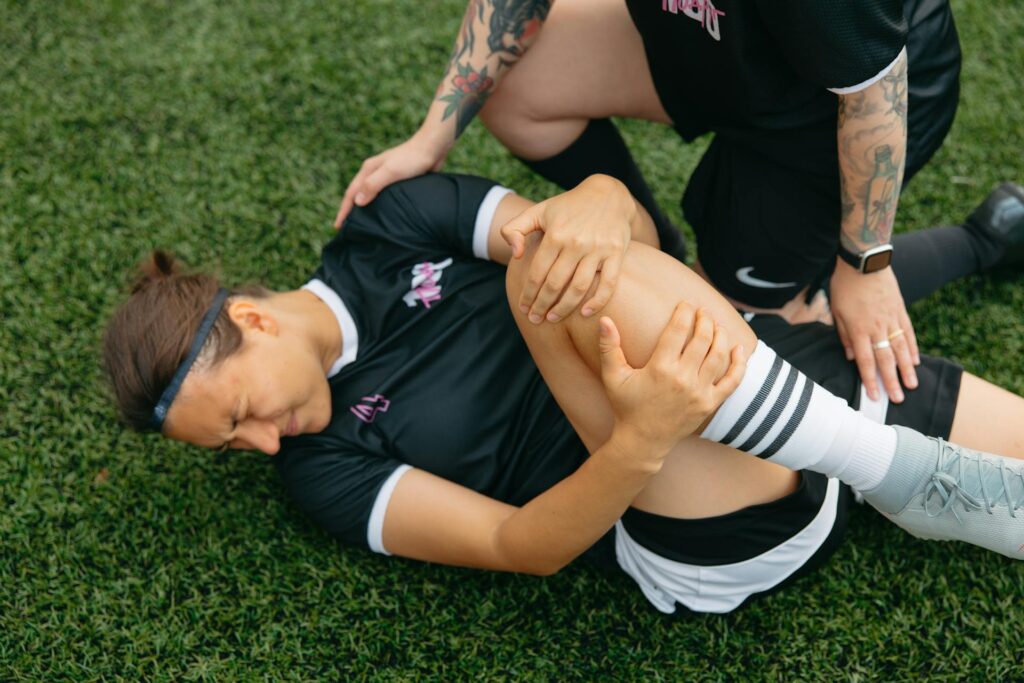
How a Chiropractor in Vaughan Can Help With Sports Injuries
Published: April 2025 | Last Updated: August 2026
Written by: Dr. Phil Vanhorne, DC | Medically Reviewed by: PhysioChiroWellness Clinical Team, Vaughan
Sports injuries can interrupt training, competition, work, and everyday activities. A sudden ankle sprain, muscle strain, shoulder problem, or episode of back pain can make it difficult to move normally and may leave you wondering when it is safe to return to your usual activities.
The right approach depends on the type and severity of the injury. Assessment is an important first step because similar symptoms can have very different causes. Depending on the findings, treatment may include manual therapy, mobility work, therapeutic exercise, rehabilitation, and guidance on gradually returning to activity.
For people looking for a chiropractor in Vaughan, chiropractic care may be one part of a broader sports injury management plan. A chiropractor can assess musculoskeletal symptoms, identify factors that may be affecting movement and function, and determine whether chiropractic treatment is appropriate or whether another healthcare professional should be involved.
At PhysioChiroWellness, treatment is individualized according to the person’s symptoms, physical findings, activity level, and recovery goals.
Key Takeaways
- Sports injuries can affect muscles, tendons, ligaments, joints, and other parts of the musculoskeletal system. The appropriate treatment depends on the type and severity of the injury.
- A chiropractor in Vaughan can assess sports-related pain and movement limitations and determine whether chiropractic care is appropriate for your condition.
- Chiropractic treatment may include manual therapy, joint mobilization or manipulation when appropriate, soft-tissue techniques, therapeutic exercise, mobility work, and rehabilitation.
- Recovery is different for every person. Factors such as the severity of the injury, previous injuries, training demands, and response to rehabilitation can influence how long recovery takes.
- Returning to sport should be gradual. Strength, mobility, balance, coordination, and the ability to perform sport-specific movements may all need to be restored before returning to full activity.
- Recurrent injuries may require a closer look at factors such as strength, mobility, movement patterns, training load, and previous injuries.
- Not every sports injury should be managed through chiropractic care alone. Severe pain, significant swelling, suspected fractures or dislocations, loss of sensation, significant weakness, or other concerning symptoms may require prompt medical assessment.
- The goal of sports injury care is to help you recover function and return to your normal activities safely while addressing factors that may contribute to ongoing symptoms or reinjury.
How Can a Chiropractor Help With a Sports Injury?
Chiropractic care for sports injuries can involve more than spinal adjustments. Depending on the injury and the findings from an assessment, a chiropractor may use manual therapy, joint mobilization or manipulation when appropriate, soft-tissue techniques, therapeutic exercises, mobility work, and advice on modifying activity while the injury recovers.
An assessment may also consider factors such as joint mobility, muscle strength, movement patterns, previous injuries, training demands, and the activities that reproduce symptoms.
The goal is to address the individual’s symptoms and functional limitations while helping them gradually return to the activities that matter to them. Treatment is not identical for every injury, and some conditions require assessment or treatment from another healthcare professional.
Common Sports Injuries That May Require Professional Assessment
Sports injuries can range from minor strains and sprains to more significant injuries involving muscles, tendons, ligaments, joints, or bones. Some develop suddenly during competition or exercise, while others develop gradually as a result of repetitive activity or increasing training demands.
Common problems among active people include:
- Lower back pain
- Neck pain
- Shoulder pain
- Knee pain
- Ankle sprains
- Muscle strains
- Tendon-related pain
- Joint stiffness
- Recurrent sports injuries
The symptoms alone do not always reveal the cause of an injury. For example, pain around the knee may be influenced by factors involving the hip, ankle, strength, movement, training load, or the knee itself. A proper assessment can help determine what needs attention and whether chiropractic care is appropriate.
Here’s How It Works for Common Sports Injuries:
1. That Nagging Lower Back Pain
Lower back pain is common among runners, golfers, gym-goers, and athletes involved in sports that require repeated bending, lifting, rotation, or sudden changes in position.
The cause is not always straightforward. Symptoms may be influenced by physical activity, training load, previous injury, mobility, muscle strength, movement patterns, or other factors.
A chiropractor can assess your symptoms and physical function and determine whether chiropractic treatment, exercise-based rehabilitation, activity modification, or referral to another healthcare professional is appropriate. Treatment may aim to improve movement, reduce symptoms, and help you gradually return to your normal activities.
2. Shoulder Pain That Won’t Quit
Shoulder pain can affect swimmers, tennis players, baseball players, gym-goers, and anyone whose activities involve repeated overhead movement.
The source of shoulder pain can vary considerably. It may involve muscles, tendons, joints, movement patterns, training load, or a previous injury. An assessment can help determine which factors may be contributing to the problem.
Depending on the findings, treatment may include manual therapy, mobility exercises, strengthening, movement retraining, and advice about modifying activity while the shoulder recovers. The aim is to restore useful function and gradually build the strength and confidence needed for a return to sport.
3. Knee Problems Slowing You Down
Knee pain is common in sports that involve running, jumping, landing, cutting, and repeated changes in direction.
Although the pain is felt at the knee, factors outside the knee can sometimes contribute to symptoms. Hip and ankle mobility, muscle strength, movement patterns, previous injuries, training volume, and the demands of a particular sport may all be relevant during an assessment.
A chiropractor can assess the knee and surrounding areas to determine which factors may need attention. Depending on the findings, care may include manual therapy, mobility work, strengthening exercises, and a gradual return to sport-specific activity.
4. Ankle Sprains That Keep Coming Back
An ankle sprain can seem like a minor injury, but returning to sport before strength, balance, and movement have recovered can increase the risk of another problem.
Assessment and rehabilitation may focus on restoring ankle mobility, rebuilding strength, improving balance and proprioception, and gradually introducing the movements required for the person’s sport.
For someone with recurrent ankle sprains, treatment may also consider previous injuries, footwear, training demands, movement patterns, and the individual’s ability to control the ankle during activities such as running, jumping, and changing direction.
The goal is not simply to get the ankle feeling better. Rehabilitation should also help restore the function and confidence needed to return safely to normal activity.
Why Is Rehabilitation Important After a Sports Injury?
Rest can be useful during the early stages of some injuries, particularly when an activity clearly aggravates symptoms. However, prolonged inactivity is not appropriate for every injury.
As symptoms improve, rehabilitation can help restore strength, mobility, balance, coordination, and tolerance to physical activity. The exercises and activities should be progressed according to the individual’s injury and current level of function.
Depending on the condition, a treatment plan may include:
- Manual therapy when appropriate
- Joint mobilization or manipulation when clinically indicated
- Soft-tissue techniques
- Mobility exercises
- Strengthening exercises
- Balance and coordination work
- Activity modification
- Gradual return to sport-specific movements
The appropriate combination depends on the injury, the individual’s assessment findings, and their recovery goals.
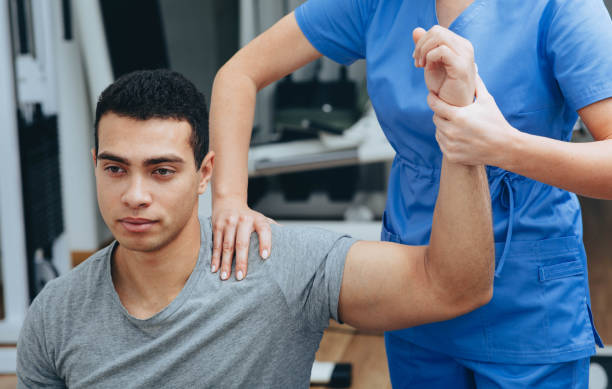
What to Expect During a Sports Injury Assessment
If you have not visited a chiropractor in Vaughan before, you may be unsure about what happens during the first appointment.
At PhysioChiroWellness, an assessment may include:
- A discussion about your injury: You will be asked how the injury happened, when your symptoms began, what activities make them worse or better, and how the problem is affecting your daily life or sport.
- A physical assessment: Your chiropractor may assess movement, joint mobility, muscle function, strength, and other relevant physical findings.
- A discussion of your treatment options: Your findings will be explained to you, along with the treatment options that may be appropriate for your condition.
- A rehabilitation plan: When exercise or rehabilitation is appropriate, you may be given exercises or activity recommendations to complete between appointments.
If your symptoms suggest that another type of medical assessment is necessary, your chiropractor can also recommend appropriate follow-up or referral.
How Long Does It Take to Recover From a Sports Injury?
There is no single recovery time for every sports injury. A minor strain may improve relatively quickly, while a more significant injury can require weeks or longer of rehabilitation.
Recovery can be influenced by the type and severity of the injury, how long symptoms have been present, previous injuries, training demands, general health, and how the body responds to treatment and rehabilitation.
Rather than relying on a fixed number of appointments, your recovery should be monitored according to changes in symptoms, strength, mobility, function, and your ability to tolerate progressively more activity.
How Do You Know When You’re Ready to Return to Sport?
Feeling less pain does not always mean that an injury has fully recovered. Returning to sport usually involves gradually rebuilding the physical abilities required for the activity.
Depending on the injury, your readiness may be assessed by looking at:
- Pain and swelling
- Range of motion
- Muscle strength
- Balance and coordination
- Ability to perform sport-specific movements
- Tolerance to running, jumping, lifting, or changing direction
- Confidence using the previously injured area
A gradual return to training can allow you to identify problems before returning to full competition. Your healthcare provider can help determine what progression is appropriate for your particular injury.
When Should You Seek Medical Attention for a Sports Injury?
Not every sports injury should be managed through chiropractic care alone. Some injuries require prompt medical assessment.
Seek appropriate medical attention if you have symptoms such as:
- An obvious deformity after an injury
- Inability to put weight on an injured leg or foot
- Severe or rapidly worsening pain
- Significant swelling following an injury
- Loss of sensation or significant weakness
- Suspected fracture or dislocation
- Symptoms following a significant head injury
- New or worsening neurological symptoms
If you are unsure about the seriousness of an injury, it is better to have it assessed rather than attempting to continue training through significant symptoms.
A chiropractor can also determine when further assessment or referral to another healthcare professional is appropriate.
How Can You Reduce the Risk of Another Sports Injury?
No injury-prevention strategy can eliminate risk, but several habits can support safe participation in physical activity.
These may include:
- Increasing training volume gradually
- Maintaining appropriate strength and mobility
- Using proper technique for your sport or activity
- Allowing adequate recovery between demanding sessions
- Addressing pain or movement limitations early
- Progressing back to full activity after an injury rather than returning abruptly
- Including sport-specific conditioning as you approach competition
If you have experienced repeated injuries in the same area, an assessment may help identify factors that could be contributing to the problem.
What Does the Evidence Say About Sports Injury Rehabilitation?
Sports injury rehabilitation is generally based on the type of injury, the individual’s symptoms and physical findings, and the demands of their activity. Exercise-based rehabilitation is an important part of recovery for many musculoskeletal injuries, while hands-on treatments may be used alongside exercise and other forms of care when appropriate.
The evidence and clinical recommendations vary depending on the specific condition. This is why treatment should be based on an assessment rather than applying the same approach to every athlete or injury.
For patients at PhysioChiroWellness, treatment recommendations are based on the individual’s condition, goals, and response to care.
Frequently Asked Questions About Chiropractic Care for Sports Injuries
Can a chiropractor treat sports injuries?
A chiropractor can assess and manage certain musculoskeletal sports injuries. Depending on the condition, care may include manual therapy, exercise, mobility work, rehabilitation, and advice on modifying activity. Some injuries require assessment or treatment from another healthcare professional.
Is chiropractic care appropriate after a sports injury?
It depends on the injury. A chiropractor can assess your symptoms and determine whether chiropractic care is appropriate. If there are signs of a more serious injury or another condition requiring medical attention, referral may be recommended.
How soon should I see a chiropractor after a sports injury?
The appropriate timing depends on the injury and its severity. Significant pain, swelling, loss of function, suspected fracture, or other concerning symptoms should be assessed promptly.
Can a chiropractor help with an ankle sprain?
Chiropractic care may be part of a rehabilitation plan for an ankle sprain. Recovery may involve restoring mobility, strength, balance, coordination, and the ability to perform sport-specific movements.
How long does a sports injury take to heal?
Recovery times vary. The type and severity of the injury, previous injuries, activity demands, and individual response to rehabilitation can all influence recovery.
Should I see a chiropractor or physiotherapist for a sports injury?
Both chiropractors and physiotherapists can work with people experiencing musculoskeletal injuries. The appropriate provider depends on the injury, your symptoms, the assessment findings, and the type of treatment and rehabilitation you require. In some cases, care from more than one healthcare professional may be appropriate.
Get Help With a Sports Injury in Vaughan
Sports injuries can affect more than your ability to participate in a favourite activity. Without appropriate assessment and rehabilitation, some injuries can continue to affect movement, strength, confidence, or your ability to return to sport.
If you are dealing with a sports-related musculoskeletal problem, a chiropractor in Vaughan can assess your condition and help determine an appropriate course of care. Treatment may involve hands-on care, exercise, rehabilitation, and guidance on gradually returning to activity.
At PhysioChiroWellness, our goal is to provide individualized care based on your symptoms, physical findings, activity level, and recovery goals.
References
- Canadian Chiropractic Association – Chiropractic Care to Treat & Prevent Sports Injuries
- Journal of the Canadian Chiropractic Association – Sports injury prevention
- Canadian Chiropractic Guidelines
- Canadian Guideline on Concussion in Sport
Medical Disclaimer
The content provided in this blog post is for informational purposes only and is not intended to serve as medical advice, diagnosis, or treatment. Always consult a qualified and licensed healthcare professional for any health concerns or before beginning any new treatment plan. If you are experiencing severe or sudden-onset symptoms, please seek emergency medical care immediately.
About the Author
Dr. Phil Vanhorne, Chiropractor
Dr. Phil Vanhorne graduated from the Canadian Memorial Chiropractic College in 2011 after earning his Bachelor’s degree from the State University of New York at Buffalo in 2005. He has more than a decade of clinical experience providing chiropractic care for patients with a wide range of musculoskeletal concerns.
His clinical experience includes working with patients across different age groups and addressing conditions involving the spine, joints, muscles, and nervous system. Dr. Vanhorne takes an individualized approach to care, considering each patient’s symptoms, physical function, lifestyle, and treatment goals.
At PhysioChiroWellness, he works with patients seeking help for musculoskeletal pain, mobility limitations, and other physical concerns.