
ACL Injury Prevention: Expert Physiotherapy in Vaughan

ACL Injury Prevention: Expert Physiotherapy in Vaughan
Published: December 2024 | Last Updated: August 2026
Written by: Branden I. McKnight, MSc Physiotherapy | Medically Reviewed by: PhysioChiroWellness Clinical Team, Vaughan
When it comes to maintaining an active lifestyle, preventing injuries is key. One common yet debilitating injury is an ACL (anterior cruciate ligament) tear. Fortunately, physiotherapy in Vaughan can play a vital role in keeping your knees strong and healthy.
Why ACL Injury Prevention Matters
Whether you’re a competitive athlete, a weekend soccer player, or someone who enjoys staying active, protecting your knees is essential for long-term mobility and performance. ACL injuries can result in months of rehabilitation, time away from sports, and, in some cases, surgery. The good news is that many ACL injuries are preventable with the right combination of strength training, movement education, and physiotherapy.
At PhysioChiroWellness, our physiotherapists help patients throughout Vaughan identify movement patterns, muscle imbalances, and physical limitations that may increase the risk of knee injuries. Through individualized assessments and evidence-based rehabilitation programs, we help patients build stronger, more resilient knees so they can continue enjoying the activities they love.
Understanding ACL Injuries
ACL injuries occur when the ligament in the knee is overstretched or torn. This can happen during sudden stops, twists, or direct impacts. People involved in high-impact sports or activities are at a greater risk, but anyone can sustain an ACL injury.
Interestingly, most ACL injuries aren’t caused by contact at all. Research suggests that roughly 70% of ACL tears are non-contact injuries, occurring during jumping, pivoting, or sudden deceleration rather than a direct hit. This is important because it means prevention isn’t just about protecting yourself from collisions; it’s about training your body’s movement mechanics, balance, and muscle coordination to handle these everyday athletic movements safely.
Symptoms of ACL injuries often include:
- Severe knee pain.
- Swelling.
- Difficulty walking or bearing weight.
If you experience these symptoms, especially sudden swelling or a sense that your knee can’t support you, it’s important to have it assessed promptly rather than waiting for symptoms to resolve on their own.
What Does the ACL Do?
The anterior cruciate ligament (ACL) is one of the four major ligaments in the knee. It connects the thigh bone (femur) to the shin bone (tibia) and plays an important role in stabilizing the knee during walking, running, jumping, pivoting, and sudden changes in direction.
When the ACL is stretched beyond its normal limits or torn, the knee can become unstable, making everyday activities and sports difficult. Depending on the severity of the injury, treatment may involve physiotherapy alone or a combination of surgery and rehabilitation.
What Causes ACL Injuries?
Many ACL injuries occur without direct contact. In fact, sudden twisting movements, awkward landings after jumping, and rapid changes in direction account for a large percentage of ACL tears. These movements place significant stress on the knee, especially if the surrounding muscles are weak or movement mechanics are poor.
Common risk factors include:
- Weak hip, glute, or core muscles
- Poor landing mechanics
- Muscle imbalances between the quadriceps and hamstrings
- Reduced balance and coordination
- Previous knee injuries
- Fatigue during sports or exercise
- Participating in sports that involve frequent jumping, cutting, or pivoting
Understanding these risk factors allows physiotherapists to develop targeted prevention programs based on each patient’s needs.
Who Is Most at Risk for an ACL Injury?
Although ACL injuries can affect anyone, they are especially common among individuals who participate in activities involving sudden stops, jumping, or rapid direction changes.
People at higher risk include:
- Soccer players
- Basketball players
- Volleyball players
- Skiers
- Football players
- Tennis players
- Dancers
- Runners
- Active teenagers
- Adults returning to exercise after a long break
Even recreational athletes can benefit from an injury prevention program that focuses on improving strength, balance, flexibility, and movement quality.
The Role of Physiotherapy in Vaughan for ACL Injury Prevention
Physiotherapy is one of the most effective ways to reduce the risk of ACL injuries because it focuses on identifying and correcting the underlying factors that contribute to knee instability. Rather than simply treating pain, physiotherapists assess how your body moves and develop a personalized program to improve strength, flexibility, balance, and coordination.
At PhysioChiroWellness, our physiotherapists perform comprehensive assessments that may include evaluating your posture, walking pattern, lower limb strength, joint mobility, balance, and movement during functional activities such as squatting, jumping, and landing. Based on these findings, your treatment plan is tailored to address your specific needs and activity level.
Whether your goal is returning to competitive sports or simply remaining active without knee pain, physiotherapy in Vaughan can help improve movement efficiency while reducing the likelihood of future injuries.
Effective Rehab Exercises for ACL Prevention
Exercise is one of the most important components of ACL injury prevention. Strengthening the muscles that support the knee while improving balance and coordination helps reduce unnecessary stress on the ACL during daily activities and sports.
Your physiotherapist may recommend exercises such as:
- Squats to improve lower body strength and movement control.
- Lunges to strengthen the quadriceps, glutes, and hamstrings while improving balance.
- Glute Bridges to increase hip strength and support proper knee alignment.
- Step-Ups to improve single-leg stability.
- Single-Leg Balance Exercises to enhance proprioception and coordination.
- Resistance Band Side Walks to strengthen the hip muscles that stabilize the knees.
- Hamstring Strengthening Exercises to help protect the ACL during running and jumping.
- Jump Landing Drills to teach safe landing mechanics for athletes.
Exercises should always be performed under professional guidance, especially if you have existing knee pain or a previous ACL injury.
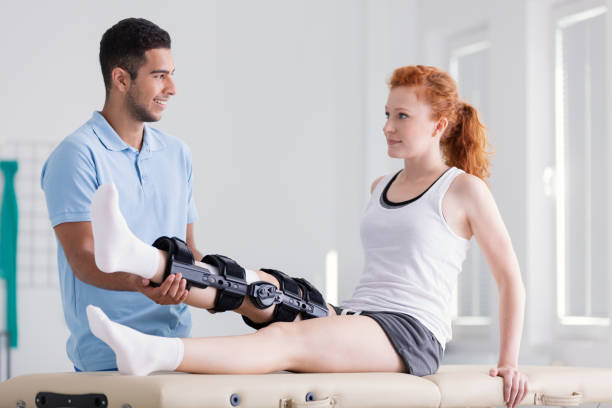
What Happens During an ACL Injury Prevention Assessment?
Every patient has unique movement patterns and physical demands, which is why an individualized assessment is an important first step.
During your physiotherapy assessment, your physiotherapist may evaluate:
- Knee stability
- Muscle strength
- Hip and ankle mobility
- Core strength
- Balance and coordination
- Walking and running mechanics
- Jumping and landing technique
- Previous injuries and current activity level
The results help guide a treatment plan designed to improve performance while lowering your risk of injury.
Physiotherapy Can Help Manage Other Knee Conditions
ACL injury prevention is only one aspect of maintaining healthy knees. Physiotherapy can also help individuals experiencing conditions such as patellofemoral pain syndrome, ligament sprains, tendon injuries, osteoarthritis, meniscus injuries, and general knee pain.
By addressing the underlying cause of symptoms rather than simply masking pain, physiotherapy aims to improve function, reduce discomfort, and help patients return safely to their daily activities.
Benefits Beyond Knee Health
While ACL prevention is crucial, physiotherapy also addresses various other health concerns. From alleviating back pain, neck pain, and sciatica to treating shoulder pain, a comprehensive program helps you stay active and pain-free.
Research Supports ACL Injury Prevention Programs
Research has consistently shown that structured neuromuscular training programs can significantly reduce the risk of ACL injuries, particularly in athletes participating in sports that involve jumping, cutting, and pivoting. These programs focus on improving balance, strength, coordination, and proper movement mechanics.
Evidence also suggests that individualized physiotherapy programs are most effective because they address each person’s specific movement patterns, muscle imbalances, and functional goals. Working with a qualified physiotherapist ensures that exercises are performed correctly and progressed safely over time.
Expert Insight from Branden I. McKnight, MSc, Physiotherapist
“Many ACL injuries occur because of poor movement mechanics rather than unavoidable accidents. During an assessment, we often identify muscle imbalances, reduced balance, or inefficient landing techniques that increase stress on the knee. Addressing these issues through individualized physiotherapy can help patients move more confidently while lowering their risk of future injuries.”
Branden I. McKnight holds a Master of Science in Physiotherapy from Brunel University London and previously earned a degree in Human Kinetics from the University of Windsor. His clinical experience includes athletic rehabilitation, balance rehabilitation, post-surgical recovery, workplace injuries, and vestibular rehabilitation. As a registered physiotherapist with the College of Physiotherapists of Ontario, he provides evidence-based care to help patients throughout Vaughan recover from injuries, improve performance, and maintain long-term mobility.
Choosing the Right Physiotherapist in Vaughan
When selecting a physiotherapist in Vaughan for ACL injury prevention, look for a clinic that emphasizes individualized assessments, evidence-based treatment, and exercise-based rehabilitation. A comprehensive prevention program should consider your lifestyle, sport, previous injuries, and long-term goals rather than relying on a one-size-fits-all approach.
At PhysioChiroWellness, our physiotherapists work closely with patients throughout Vaughan to develop personalized treatment plans designed to improve strength, movement quality, and overall knee health. Whether you are recovering from an injury or looking to reduce your risk of future problems, our goal is to help you move with confidence.
Myth vs. Fact: ACL Injury Prevention
Myth: Only professional athletes tear their ACL.
Fact: ACL injuries can happen to anyone who participates in activities involving jumping, pivoting, or sudden changes in direction.
Myth: Wearing a knee brace prevents ACL injuries.
Fact: While braces may provide support in some situations, they cannot replace proper strength, balance, and movement training.
Myth: Stretching alone prevents ACL injuries.
Fact: Effective prevention also requires strengthening exercises, neuromuscular training, balance work, and proper movement mechanics.
Myth: Once you’ve completed rehabilitation, you never need prevention exercises again.
Fact: Continuing a maintenance program helps support long-term knee health and may reduce the risk of future injuries.
Frequently Asked Questions
Can physiotherapy help prevent ACL injuries?
Yes. Physiotherapy focuses on improving strength, balance, flexibility, and movement patterns that may contribute to ACL injuries. An individualized prevention program can help reduce your overall risk.
Who should consider ACL injury prevention training?
ACL injury prevention is beneficial for athletes, active adults, teenagers participating in sports, and anyone returning to exercise after an injury or a period of inactivity.
How often should I perform ACL prevention exercises?
The ideal frequency depends on your goals, current fitness level, and risk factors. Your physiotherapist will recommend a program that fits your individual needs.
Can physiotherapy help after ACL reconstruction surgery?
Yes. Physiotherapy plays a vital role in restoring strength, range of motion, balance, and function after ACL reconstruction, while also helping reduce the risk of future injuries.
Do I need knee pain to benefit from physiotherapy?
No. Many people seek physiotherapy as a preventive measure to improve movement quality, enhance athletic performance, and lower their risk of injuries before symptoms develop.
Protect Your Knees with Expert Physiotherapy in Vaughan
Preventing an ACL injury is often far easier than recovering from one. Whether you’re an athlete, a recreational runner, or want to stay active without knee pain, proactive physiotherapy can help improve strength, stability, and movement quality before an injury occurs.
At PhysioChiroWellness, we take a personalized approach to ACL injury prevention by identifying individual risk factors and creating treatment plans tailored to your goals and activity level. Through evidence-based rehabilitation, education, and progressive exercise, we help patients throughout Vaughan build stronger, healthier knees that support an active lifestyle.
If you’re experiencing knee discomfort, recovering from a previous injury, or looking to reduce your risk of an ACL tear, schedule an assessment with our physiotherapy team. Early intervention can make a meaningful difference in your long-term mobility, confidence, and overall quality of life.
Request an appointment today, and learn more about our ACL prevention programs!
Sources
- Journal of Orthopaedic & Sports Physical Therapy: neuromuscular training and ACL injury prevention
- Springer, ACL injury prevention research overview
Medical Disclaimer
This article is intended for general educational purposes only and does not constitute medical advice. It is not a substitute for professional diagnosis or treatment from a qualified healthcare provider. Every individual’s condition is different, and treatment recommendations should always be based on a proper in-person assessment. If you are experiencing severe symptoms, including loss of bladder or bowel control, progressive weakness, or numbness in the groin area, seek emergency medical attention immediately.
About The Author
Branden I. McKnight, MSc Physiotherapy
Branden I. McKnight graduated from Brunel University London with a Master of Science degree in Physiotherapy in 2019. Before completing his degree, he gained clinical experience working with a variety of patients as a Registered Kinesiologist. Branden also received his degree in Human Kinetics from the University of Windsor in 2015.
Branden has a particular interest in athletic rehabilitation, specifically ankle and balance rehab. He has experience working with a wide range of injuries and conditions, including vestibular disorders, post-surgical recovery, workplace injuries, and motor vehicle accident cases.
Branden’s goal as a physiotherapist is to rehabilitate and improve general and sport-specific fitness, performance, and quality of life by using education, exercise, manual techniques, and therapeutic modalities. He practices at PhysioChiroWellness in Vaughan, where he provides personalized care to patients across the local community.