
What Is the 80/20 Rule in Physiotherapy?
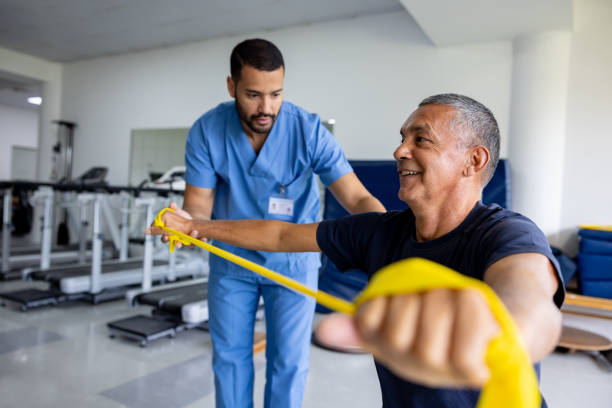
What Is the 80/20 Rule in Physiotherapy? Understanding What Matters Most in Your Recovery
Published: November 2026 | Last Updated: November 2026
Written by: PhysioChiroWellness Clinical Team, Newmarket | Reviewed by: Kristine Nidea, Registered Physiotherapist
Have you ever wondered why two people with similar injuries may recover at different rates? Or why some patients are prescribed only a few exercises while others require a more comprehensive rehabilitation program?
Effective rehabilitation is not necessarily about doing more. It is about understanding your condition, identifying your individual needs and focusing on the appropriate strategies to help you achieve your recovery goals.
As a physiotherapist, I believe that rehabilitation should be purposeful, individualized, evidence-informed and empowering. Patients should understand not only what they need to do but also why they are doing it.
One way to illustrate this approach is through the Pareto principle, commonly known as the 80/20 rule.
What Is the 80/20 Rule in Physiotherapy?
The 80/20 rule originates from the Pareto principle, a concept associated with Italian economist Vilfredo Pareto. It describes how a relatively small number of contributing factors may account for a substantial proportion of an outcome.
When applied as a general analogy to physiotherapy, it encourages us to identify and prioritize rehabilitation activities that are most relevant to a patient’s condition, functional limitations and recovery goals.
However, it is important to clarify that the 80/20 rule is not a scientifically validated physiotherapy treatment principle. There is no established evidence that exactly 20% of rehabilitation activities produce 80% of recovery outcomes.
Recovery is influenced by multiple factors, including the nature of the condition, tissue healing, physical capacity, general health, psychological well-being, environmental circumstances and participation in rehabilitation.
Rather than focusing on a specific numerical ratio, the underlying message is to make rehabilitation meaningful, manageable and appropriate for each individual.
Five Key Factors That May Support Your Rehabilitation
1. Individualized and Purposeful Exercise Prescription
Exercise is an important component of rehabilitation for many musculoskeletal, neurological and chronic health conditions.
However, not all exercises are appropriate for every patient, even when they experience similar symptoms or have the same diagnosis.
When prescribing exercises, a physiotherapist considers factors such as:
- Medical history and clinical presentation
- Stage of injury or recovery
- Strength, mobility, balance and coordination
- Functional limitations
- Physical activity demands
- Rehabilitation goals
- Response to exercise and treatment
The effectiveness of an exercise program depends not only on the exercises selected but also on their intensity, frequency, duration, progression and suitability for the individual.
For example, a patient experiencing shoulder pain when reaching overhead may benefit from exercises targeting shoulder mobility, muscle strength and tolerance for reaching or lifting activities.
Another patient with similar shoulder symptoms may require a different approach depending on the underlying condition and assessment findings.
A well-designed rehabilitation program does not necessarily need to include numerous exercises. Each exercise should have a clear purpose and contribute to an identified rehabilitation goal.
2. Patient Education and Understanding Pain
Understanding your condition is an important part of rehabilitation.
Pain is a complex and personal experience. Although it may be associated with injury or tissue damage, the intensity of pain does not always directly reflect the extent of tissue damage.
According to the International Association for the Study of Pain, biological, psychological and social influences can all contribute to an individual’s pain experience.
Factors that may influence pain include:
- Injury and inflammation
- Sleep quality
- Stress and emotional well-being
- Changes in nervous system sensitivity
- Previous experiences with pain
- Physical activity and general health
This does not mean that pain is imaginary or should be ignored. Your pain is real, and your experience deserves to be acknowledged and appropriately assessed.
Patient education can help you better understand your symptoms, make informed decisions about physical activity and develop confidence in managing your condition.
For example, the World Health Organization’s guidelines for chronic primary low back pain support individualized care that may incorporate education, exercise and other appropriate interventions.
3. Appropriate Load Management and Activity Modification
Load management involves adjusting physical demands according to your current capacity, symptoms and stage of recovery.
Whether you are recovering from a sports injury, experiencing discomfort during work or returning to activity following surgery, finding an appropriate level of physical activity can be an important part of rehabilitation.
For example, a recreational runner experiencing knee pain after increasing their training volume may benefit from temporarily modifying their running schedule while addressing relevant strength or movement limitations.
Similarly, an individual experiencing back discomfort during prolonged desk work may benefit from regular movement breaks, appropriate exercise and gradually improving tolerance for daily activities.
Load management does not necessarily mean complete rest or avoiding movement.
Instead, it involves finding a suitable balance between activity and recovery while respecting any medical restrictions or tissue-healing requirements.
The goal is to gradually develop the physical capacity needed to return to meaningful activities safely.
4. Consistency and Appropriate Exercise Dosage
Consistency is valuable in rehabilitation, but so is performing exercises at an appropriate level of difficulty.
A rehabilitation program should provide a suitable physical challenge while allowing adequate recovery and respecting the individual’s condition.
Depending on your goals, a physiotherapist may adjust:
- Exercise resistance and intensity
- Number of repetitions and sets
- Frequency and duration
- Range of motion
- Movement complexity
- Recovery periods
As your physical abilities improve, your rehabilitation program may need to progress accordingly.
A home exercise program provides an opportunity to practise movements, develop physical capacity and apply the strategies discussed during physiotherapy appointments.
If you find your exercises difficult to complete because of pain, fatigue, time constraints or uncertainty about technique, discuss these concerns with your physiotherapist.
Rehabilitation should be collaborative. An appropriate program should consider both your clinical needs and the practical realities of your daily life.
5. Lifestyle Habits That Support Rehabilitation
Recovery is influenced by more than what happens during a physiotherapy appointment.
Sleep, nutrition, stress management, physical activity and general health may all influence your ability to participate in rehabilitation and manage symptoms.
Canada’s 24-Hour Movement Guidelines recommend that adults work toward a weekly aerobic activity target of 150 minutes or more at moderate to vigorous intensity. Strength training involving the major muscle groups is recommended on two or more days each week. Older adults are also encouraged to incorporate balance-challenging activities.
These are general population recommendations and are not intended to replace individualized rehabilitation advice.
If you are recovering from an injury, managing a health condition or following surgery, your activity levels may need to be modified according to your physical abilities and medical restrictions.
Small, sustainable changes, such as gradually increasing walking, incorporating movement breaks and establishing healthier sleep habits, may help support your overall rehabilitation and well-being.
How Does a Physiotherapist Identify Your Rehabilitation Priorities?
An individualized physiotherapy program begins with an appropriate assessment.
During your assessment, your physiotherapist may evaluate your medical history, symptoms, movement, muscle strength, joint mobility, balance, neurological function and ability to perform everyday activities.
Understanding your personal goals is equally important.
A recreational hockey player in Newmarket who hopes to return to sport may require a different rehabilitation approach from an older adult who wants to improve walking ability and reduce their risk of falling.
Similarly, someone recovering from surgery may require a program that respects specific movement restrictions and tissue-healing timelines.
The following examples illustrate how rehabilitation priorities may differ depending on an individual’s condition.
| Condition | Possible rehabilitation priorities |
| Lower back or neck pain | Appropriate movement, strengthening, education and activity modification |
| Shoulder pain | Mobility, progressive strengthening and tolerance for reaching or lifting |
| Knee pain | Strengthening, movement training and improved tolerance for walking or stairs |
| Ankle sprain | Mobility, strength, balance and gradual return to activity |
| Post-surgical rehabilitation | Restoring function while respecting surgical precautions |
| Pelvic floor dysfunction | Individualized strengthening, relaxation, coordination or pressure management |
| Persistent pain | Education, individualized exercise, pacing and functional rehabilitation |
| Balance difficulties | Strength, balance, walking practice and assessment of fall risk |
These examples are not universal treatment prescriptions. Appropriate rehabilitation priorities should be determined through an individualized clinical assessment.
In pelvic health rehabilitation, for example, pelvic floor strengthening is not appropriate for everyone. Some individuals may instead benefit from relaxation, coordination or other strategies based on their assessment findings.
How Do You Know If Your Physiotherapy Program Is Working?
Pain reduction is often an important rehabilitation goal, but it is not the only indicator of meaningful progress.
Other signs of improvement may include:
- Increased strength and mobility
- Improved balance and coordination
- Greater tolerance for physical activity
- Improved ability to perform daily tasks
- Increased independence
- Greater confidence with movement
- Improved participation in work, recreation or exercise
For example, a patient experiencing persistent knee pain may notice that climbing stairs becomes easier or that they can walk for longer periods before experiencing discomfort.
These functional improvements can be meaningful even if some symptoms remain.
Recovery does not always follow a predictable or linear pattern. Symptoms may fluctuate, and rehabilitation priorities may change over time.
Regular reassessment, when clinically indicated, helps determine whether treatment should be progressed, modified, discontinued or whether further medical assessment is necessary.
Does Effective Rehabilitation Require Frequent Physiotherapy Appointments?
There is no universal number of physiotherapy appointments required for recovery.
Some individuals may benefit from an initial assessment, education and an independent exercise program, while others may require ongoing supervision, rehabilitation progression and reassessment.
Treatment frequency depends on factors such as the individual’s condition, functional limitations, recovery goals, medical considerations and ability to manage their rehabilitation independently.
Physiotherapy may involve exercise prescription, patient education, movement retraining, manual therapy or other appropriate interventions.
However, hands-on treatment is not necessary for every patient. All interventions should be selected according to clinical indications, available evidence, patient preferences and individual needs.
One of the important goals of physiotherapy is to help patients develop the knowledge, skills and confidence to manage their condition and participate in meaningful activities as independently as possible.
Should Physiotherapy Exercises Cause Pain?
Some rehabilitation exercises may produce temporary discomfort, particularly when returning to physical activity following an injury or a period of reduced movement.
However, experiencing pain during exercise does not automatically mean that the exercise is beneficial, harmful or appropriate.
Your response to exercise should be considered in relation to your condition, recovery stage and symptoms both during and after physical activity.
If an exercise consistently aggravates your symptoms, your physiotherapist may need to modify its intensity, frequency, resistance or range of motion.
Avoid pushing through severe or unusual pain simply to complete an exercise program.
New neurological symptoms, significant swelling, severe pain or progressively worsening symptoms may require further medical assessment.
When Should You See a Physiotherapist in Newmarket?
A physiotherapy assessment may be beneficial if you experience:
- Persistent or recurring muscle or joint pain
- Reduced strength, mobility or balance
- Difficulty performing daily activities
- Sports-related injuries
- Functional limitations following surgery or injury
- Pregnancy-related or postpartum physical concerns
- Difficulty returning to work, exercise or recreational activities
- Uncertainty about which movements or exercises are appropriate for your condition
Whether you enjoy walking along the Tom Taylor Trail, playing recreational sports, gardening or maintaining an active lifestyle, physiotherapy may help you identify and address physical limitations affecting your participation.
When to Seek Emergency Medical Attention
Some symptoms require immediate medical attention rather than a routine physiotherapy appointment.
Call 911 for symptoms suggesting a heart attack or stroke, sudden severe breathing difficulties or other life-threatening emergencies.
Seek immediate emergency medical assessment if you experience:
- New loss of bladder or bowel control, difficulty passing urine or numbness around the groin and saddle region, particularly with back pain
- Rapidly progressing leg weakness or other significant neurological symptoms
- A sudden, unusually severe headache
- Severe symptoms following significant trauma
New calf swelling, warmth and pain, or fever accompanied by severe spinal or joint pain also warrant urgent medical assessment.
If you are uncertain about your symptoms and it is not an emergency, Ontario’s Health811 service provides access to health advice from registered nurses.
Do You Need a Referral for Physiotherapy in Ontario?
In Ontario, patients can generally access physiotherapy services directly without a referral from a physician.
However, individual extended health insurance providers may have specific documentation or referral requirements for reimbursement.
It is advisable to confirm your coverage before attending your appointment.
Does OHIP Cover Physiotherapy?
Government-funded physiotherapy is available through participating clinics for eligible individuals.
Ontario’s Community Physiotherapy Clinic Program includes eligible individuals with a valid Ontario health card who meet certain criteria, including:
- Individuals aged 19 or younger
- Adults aged 65 or older
- Individuals requiring physiotherapy following a relevant overnight hospital admission or outpatient surgery within the preceding 12 months
Ontario Works and Ontario Disability Support Program recipients may also qualify without an Ontario health card.
Eligible patients can contact participating clinics directly without obtaining a physician or nurse practitioner referral under the current program requirements.
Not all physiotherapy clinics participate in government-funded programs. Patients should confirm eligibility, clinic participation and applicable insurance coverage before booking an appointment.
Taking an Active Role in Your Recovery
The most valuable message we can take from the 80/20 rule is not about achieving a particular numerical ratio.
It is about identifying rehabilitation priorities, understanding their purpose and focusing on activities that are appropriate for your individual needs.
As a physiotherapist, I encourage patients to become active participants in their rehabilitation. Understanding your condition, communicating your concerns and working collaboratively with your healthcare provider can help you make informed decisions about your recovery.
Effective rehabilitation should not follow a one-size-fits-all approach. It should be guided by appropriate clinical assessment, evidence-informed practice, patient preferences and meaningful functional goals.
Whether your goal is to return to sport, walk more comfortably, improve your strength, manage persistent pain or maintain your independence, your rehabilitation program should reflect what matters most to you.
Physiotherapy at PhysioChiroWellness in Newmarket
At PhysioChiroWellness, we recognize that every patient’s rehabilitation journey is different.
An individualized physiotherapy assessment can help identify your physical limitations, establish meaningful goals and determine appropriate rehabilitation strategies.
If you are experiencing pain, recovering from an injury or looking for professional guidance on improving your physical function, contact PhysioChiroWellness to learn more about your physiotherapy options in Newmarket.
Together, we can work toward a rehabilitation plan that supports your individual needs, physical abilities and long-term well-being.
References
- Raja SN, Carr DB, Cohen M, et al. The revised International Association for the Study of Pain definition of pain: concepts, challenges, and compromises. Pain. 2020;161(9):1976–1982. doi:10.1097/j.pain.0000000000001939.
- World Health Organization. WHO guideline for non-surgical management of chronic primary low back pain in adults in primary and community care settings. 2023.
- Canadian Society for Exercise Physiology. Canadian 24-Hour Movement Guidelines for Adults. 2020.
- Government of Ontario. Physiotherapy clinics (government-funded).
- Ontario Ministry of Health. Bulletin 251004 — Community Physiotherapy Clinic Program Changes. October 2025.
About the Author
Kristine Nidea, Registered Physiotherapist
Kristine Nidea is a physiotherapist with clinical experience in musculoskeletal, neurological, geriatric, post-surgical and pelvic health rehabilitation.
Her approach to physiotherapy integrates evidence-informed practice, individualized exercise prescription, patient education and functional rehabilitation. She recognizes the importance of considering the physical, psychological and lifestyle factors that influence an individual’s health and recovery.
Kristine is passionate about empowering patients through education, active rehabilitation and supported self-management, with an emphasis on meaningful functional outcomes, independence and long-term well-being.
Medical Disclaimer
This article is intended for general educational purposes only and does not constitute individualized medical advice, diagnosis or treatment. Consult an appropriately qualified healthcare professional before starting or modifying a rehabilitation program. If you are experiencing a medical emergency, call 911.