
Stroke Rehabilitation With Physiotherapy: Neuroplasticity In Action
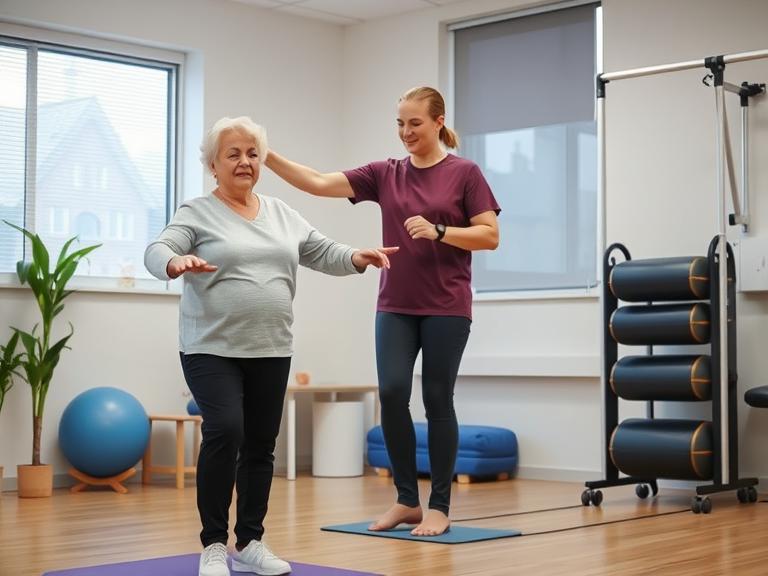
Stroke Rehabilitation with Physiotherapy in Newmarket: Neuroplasticity in Action
Imagine waking up one morning and realizing your arm doesn’t move the way it used to, or that walking across the room suddenly feels like climbing a mountain. That’s the reality many people in Newmarket face after a stroke. It’s scary, overwhelming, and often discouraging at first. But here’s the hopeful part: the brain has an incredible ability to rewire itself. With the right support, especially physiotherapy in Newmarket, it’s possible to reclaim independence, step by step.
Stroke and What It Leaves Behind
A stroke is a sudden interruption of blood flow to the brain. When it happens, brain cells begin to die within minutes. Depending on where the stroke occurs, the effects may range from speech difficulties to weakness in one side of the body. According to the Government of Canada, strokes are one of the top causes of disability in adults.
That disability, however, doesn’t have to define the rest of someone’s life. Rehabilitation, started as soon as possible, gives survivors the best chance to regain what they thought they had lost. In Newmarket, physiotherapists are helping patients rediscover movement and confidence every day.
Neuroplasticity: The Brain’s Hidden Talent
Before stroke touches someone’s life, most people don’t hear the word neuroplasticity. Picture it this way: your brain is like a network of highways. When a stroke damages one major road, traffic gets blocked. Neuroplasticity allows the brain to build detours, letting signals find new routes to control movement and function.
This doesn’t happen by itself though—it needs practice, repetition, and encouragement. When a physiotherapist in Newmarket helps a stroke patient grip a cup again, or guides them through steps one after the other, they’re not just training muscles. They’re teaching the brain to lay down those new connections.
How Physiotherapy in Newmarket Supports Real Stroke Recovery
At PhysioChiroWellness in Newmarket, therapy is never one‑size‑fits‑all. Each patient walks in with unique goals. For one person, it might be standing long enough to make tea. For another, it’s walking their dog without fear of falling. Physiotherapy adapts to those personal milestones.
1. Strength and Mobility Come First
Stroke often leaves muscles weak or stiff. Physiotherapists use targeted exercises to gently wake them back up. What may look like small movements from the outside—lifting an arm an inch higher, bending a knee with less effort—mean huge progress inside the brain.
2. Balance and Coordination Gain Attention
One slip can cause serious setbacks. Therapy focuses heavily on balance retraining, safe walking techniques, and core stability. Patients gradually feel less fragile, more secure, and ready to face everyday challenges without as much worry.
3. Everyday Skills Get Relearned
Simple but frustrating tasks, like buttoning a shirt or holding utensils, often need to be practiced again. These repeated tasks stimulate neuroplasticity just as much as walking in the clinic. Each successful repetition builds both skill and confidence.
4. Hands-On Care and Helpful Tools
Modern therapy in Newmarket combines hands‑on stretches, manual therapy, and technology like therapeutic ultrasound or walking aids. These tools support comfort and make progress smoother.
The Human Side of Recovery
It’s natural to feel discouraged when progress feels slow. Many patients wonder if they’ll ever get back to “normal.” This is where motivation and support become as important as exercises.
Physiotherapists don’t just guide movements—they also cheer on the little wins. A patient taking three steps further than last week, or finally holding a spoon again, deserves celebration. Families often play a vital role too, learning how to help with safe stretches at home or setting up the house so their loved one moves around with fewer obstacles.
Take for example a gentleman in his 60s who came to a Newmarket clinic after his stroke. At first, he couldn’t walk without help. With weeks of physiotherapy, careful coaching, and daily practice, he slowly moved from using a walker to walking across his living room unsupported. He still remembers the smile on his granddaughter’s face when he managed to stand and hug her again. These are the moments that keep patients and therapists going.
Physiotherapy in Newmarket: A Community Approach
What makes stroke rehabilitation in Newmarket stand out is the community of integrated care. At PhysioChiroWellness, physiotherapists work together with chiropractors, naturopaths, massage therapists, and acupuncturists. This teamwork looks at healing from every angle—addressing not only strength and movement but also pain, stress, and overall wellness.
For patients, that means fewer gaps in care. Everyone under one roof speaks the same language of recovery, adjusting the care plan as milestones are met.
FAQs About Stroke Rehabilitation with Physiotherapy in Newmarket
When should stroke rehab start?
As soon as possible. Early therapy helps prevent stiffness and encourages faster brain rewiring.
How long does it take to recover?
Recovery varies. Some gains come quickly, others may take months or even years. Consistency matters more than speed.
Can seniors benefit?
Yes. Neuroplasticity doesn’t disappear with age. Even older patients see meaningful changes with structured therapy.
Does it hurt?
Therapy may feel tiring, but pain isn’t the goal. Exercises are adjusted to challenge safely without causing harm.
What about insurance?
Many plans in Ontario cover physiotherapy. The clinic team helps families work out the details.
Small But Powerful Steps at Home
While structured physiotherapy sessions are key, stroke survivors can make little efforts daily. Standing up from a chair with support, practicing leg stretches, or even squeezing a soft ball to strengthen grip all encourage the brain to keep relearning. It’s these everyday movements, repeated with patience, that add up to progress.
Research Behind the Care
The Public Health Agency of Canada highlights stroke rehabilitation as critical for recovery. Their research confirms that therapies focusing on repetitive practice, like physiotherapy, are directly linked to better outcomes. Evidence shows patients who stay committed to rehab not only regain more independence but also reduce their risk of falls or long-term complications.
Your Next Step Toward Stroke Recovery
Strokes change lives, but they don’t define them. With physiotherapy in Newmarket, patients can harness the brain’s natural ability to heal. The process takes time, effort, and perseverance, but every extra step, every regained movement, is proof of progress.
If you or a loved one has experienced a stroke, don’t wait to begin the journey back. Call (905) 836-0571 today or click here to book a consultation. Recovery is possible, and your best chance starts with support right here in Newmarket.
References
- Government of Canada. Stroke in Canada, 2020: Stroke, heart disease and vascular cognitive impairment statistics — https://www.canada.ca
- Public Health Agency of Canada. Stroke in Canada Fact Sheets & Reports — https://www.canada.ca