

What Is A Concussion?
The general definition of concussion is the act of forcefully shaking or jarring. A sports concussion is a type of mild traumatic brain injury (mTBI) caused by a shaking or jarring of the brain. A sports concussion can occur with a bump, blow, or jolt to the head or the body, which causes the brain to move within the skull. This movement causes the brain to hit the inside of the skull, which can result in a change in brain cell chemistry and structural injury from cell stretching. This damage can result in a variety of signs and symptoms depending on the portion of the brain involved during a sports concussion.

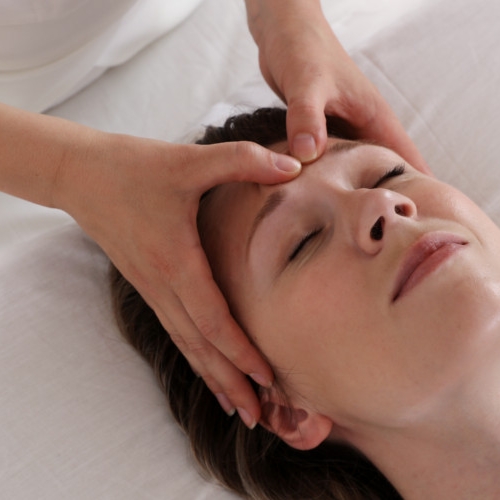
Are Concussions Serious?
There is a dangerous trend of equating an injury with how visible the problem is. Of course, a broken bone or a torn ligament is going to create a scene, but this isn’t a failsafe way to judge an injury. When an athlete blows out their knee, it becomes something that everyone can see, and the pain on the player’s face merely confirms what everyone else is already thinking: that injury is real, that injury is painful, that person is going to need medical attention.
Sports concussions are described as a “mild” traumatic brain injury because concussions are not usually life-threatening. However, concussions are a brain injury and can lead to serious long-term consequences if not managed correctly by a qualified healthcare professional.
Head injuries aren’t typically as visible. When someone hits their head on the TV, they may become unconscious for a moment, or they may be able to stand up right away. They might look dazed or need a minute to regain their ability to think straight, but then they can walk off the field just fine. The injury doesn’t look as serious. And too often it isn’t treated as seriously.
A broken bone may be visible, but a concussion is in many ways a far more serious problem. A brain injury requires immediate and ongoing care to ensure that the brain can regain optimal functionality. On television, injuries that turn out to be “just a concussion” are often anti-climactic events that the audience is led to believe will be over in days, if not hours. In real life, however, these traumatic brain injuries — which usually stem from a fall, severe shaking, a car accident, or a direct blow to the head — can severely impact a person’s quality of life for several months.
A cold is typically more obvious than a chronic disease, but that doesn’t make the chronic disease any less difficult to deal with. In fact, the chronic disease is typically significantly more serious and complicated than the typical cold. Similarly, concussions are not something that can be overlooked. Following a brain injury, whether as a result of a sports incident, a car accident, a trip and fall, or other event, concussion therapy is absolutely necessary to ensure that there is no lasting damage following the trauma.
Common Symptoms of a Concussion
Concussion symptoms can vary from person to person and may appear immediately after an injury or develop gradually over time. Common signs include:
- Headache – Often the most persistent symptom.
- Dizziness or unsteadiness – A feeling of imbalance or lightheadedness.
- Difficulty concentrating – Trouble focusing on tasks, reading, or conversations.
- Sensitivity to light or noise – Discomfort in bright environments or noisy settings.
- Fatigue – Unusual tiredness or low energy levels.
Many patients also experience related conditions such as Dizziness, Vertigo, and Headache, which can intensify discomfort and affect daily activities. Recognizing these symptoms early is important, as timely evaluation and care can help prevent complications and support a smoother recovery.
How We Treat Concussions
Treatment focuses on restoring normal brain and body function. Your care plan may include:
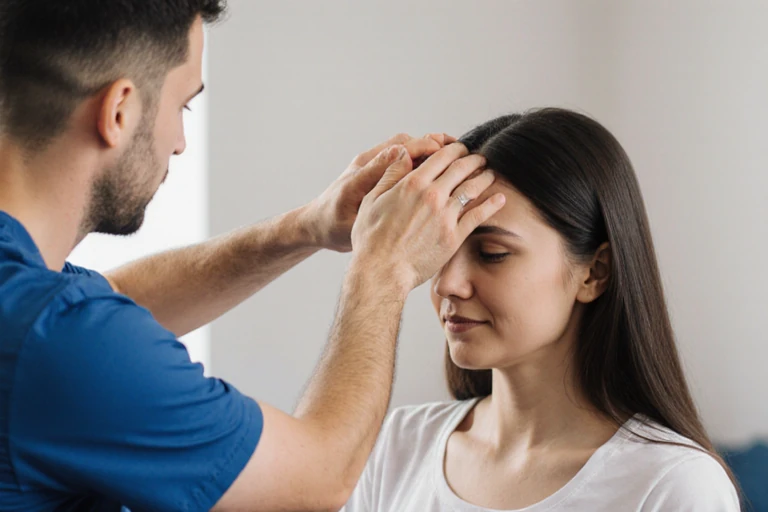
Concussion Therapy and Rehabilitation
Our concussion therapy programs are designed to address both physical and cognitive symptoms.
Treatment may include:
- Visual and vestibular exercises
- Gradual return-to-activity programs
- Balance and coordination training
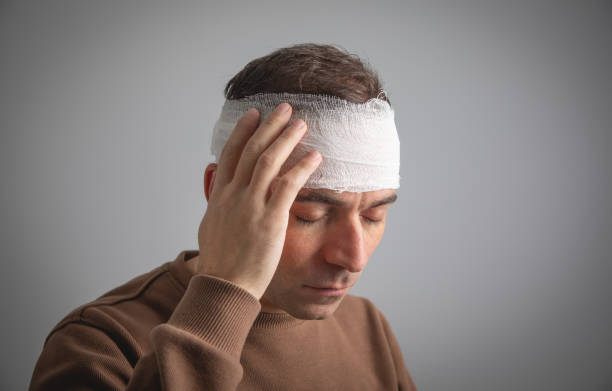
Vestibular Therapy for Concussion Symptoms
Vestibular issues are common after a concussion.
Our vestibular therapy focuses on improving balance, coordination, and visual stability.
You can receive care at:
- Physiotherapy in Vaughan
- Physiotherapy in Newmarket
Physiotherapy for Recovery
Physiotherapy helps restore strength, coordination, and movement.
Our physiotherapy programs include guided rehab exercises and therapeutic exercises tailored to your recovery stage. These exercises are carefully progressed to match your symptoms, helping to avoid setbacks while promoting steady improvement. Physiotherapy can also support recovery from dizziness, headaches, and balance issues often associated with a concussion, helping you return safely to daily activities, work, or sport.
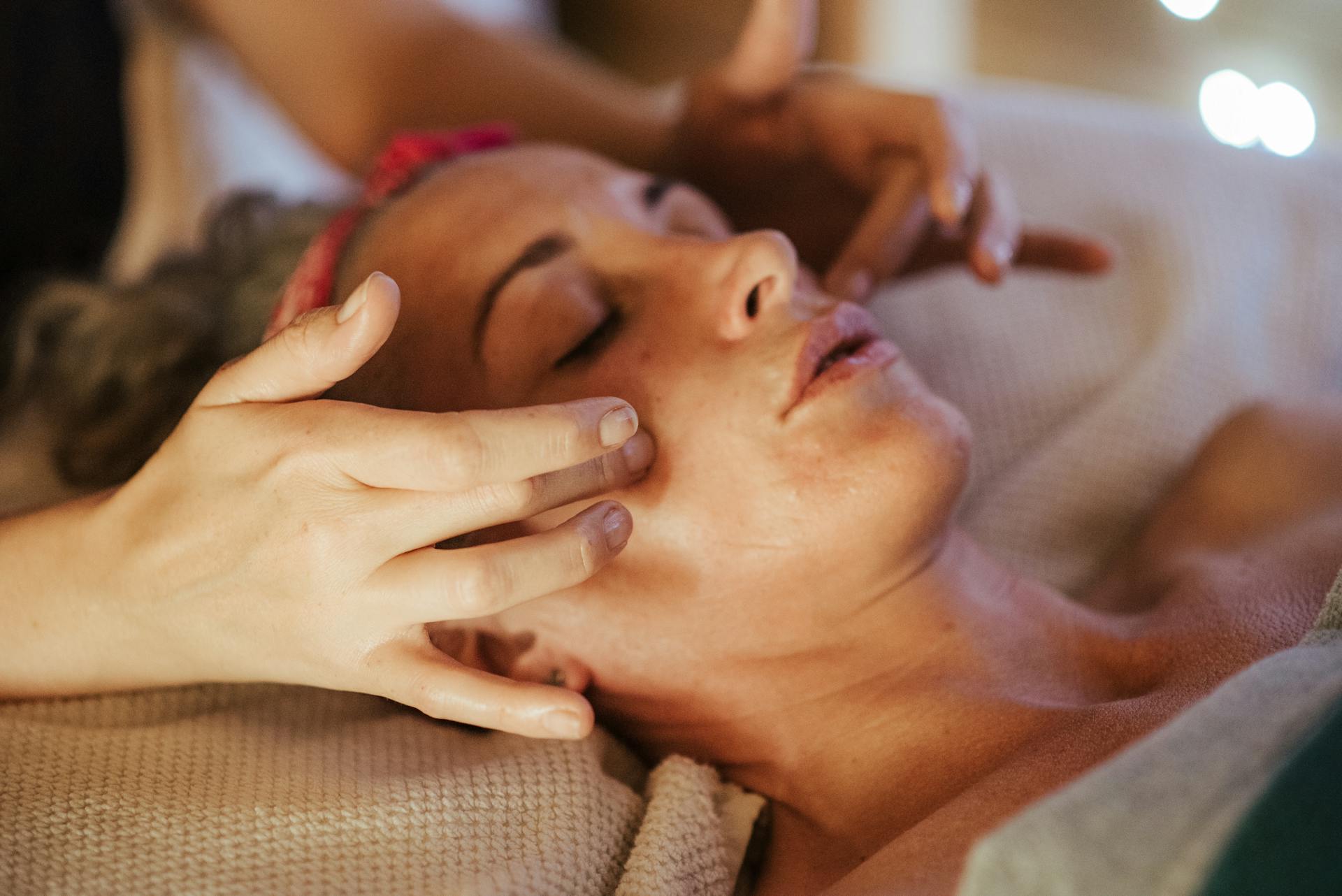
Chiropractic Care and Nervous System Support
Chiropractic care may support alignment and reduce strain on the body following injury.
Our chiropractic care may include gentle spinal adjustments to improve overall function.
Learn more about:
- Chiropractor in Vaughan
- Chiropractor in Newmarket
Finding Concussion Therapy Post-Trauma
The severity of a traumatic brain injury can vary dramatically. While some concussions are indeed minor and may not require long-term intervention, other brain injuries can have lifelong consequences.
In the immediate hours and days following a traumatic brain injury, the best treatment option is to take it easy. Resting your brain means really turning off everything that will stimulate your mind and to simply relaxing. This means avoiding television, not reading, avoiding intense music, conversation, and too much movement. This may not sound like a very entertaining time, but this is what your brain needs to recover. Just like you’d put your feet up for a day or two after injuring your ankle, you need to give your brain time to rest and recover after an injury.
During this time, it isn’t likely that you’ll be referred to concussion therapy. The important thing is to check in with your doctor for treatment and to have your brain injury assessed, and then to follow post-concussion protocols to give your brain a chance to bounce back. During this time, rest is absolutely the best way to cope with the uncomfortable symptoms that happen with a concussion, which include vomiting, confusion, weakness, and headaches.
After several days, if the symptoms of a brain injury haven’t subsided, then chiropractic, physiotherapy, massage therapy, naturopathy, or acupuncture is recommended. Seeking out concussion therapy early on can prevent long-term issues and help you experience a quicker return to normalcy.
Without therapeutic intervention, long-term symptoms can include:
- Chronic headaches
- Fatigue
- Changes in weight
- Sleep disorder
- Muscle weakness and spasms
- Decreased libido
- Disrupted menstruation and infertility
Related Conditions
Concussions are often linked to other conditions that can affect balance, comfort, and overall recovery. Recognizing these connections can help you better understand the full impact of a head injury:
- Dizziness – A common symptom that can make movement and daily activities more difficult.
- Vertigo – Spinning sensations often accompany concussions, disrupting balance and orientation.
- Balance Disorders – Instability and unsteadiness may develop as the brain struggles to process signals correctly.
- Headache – Persistent or worsening headaches are frequently associated with concussions and can intensify discomfort.
By identifying these related conditions, you gain a clearer picture of how concussions affect the body as a whole. Early evaluation and treatment can reduce symptoms, improve recovery, and help prevent long-term complications.
When to seek help for a concussion?
Left untreated, concussions can even inhibit growth in young children and bring on early dementia in older patients. Fortunately, the therapy field is continually discovering new ways to help patients suffering from long-term concussion complications. If you believe you have suffered a concussion, please contact PhysioChiroWellness so we can do a thorough exam and get you on a recovery plan.
Your Next Steps…
Request An Appointment
Receive A Custom Treatment Plan
Work Hard and Progress In Your Recovery
Recover & Enjoy Life Pain-Free!