
Post-Surgery Aesthetics: Massage Therapy For Scar Tissue Reduction
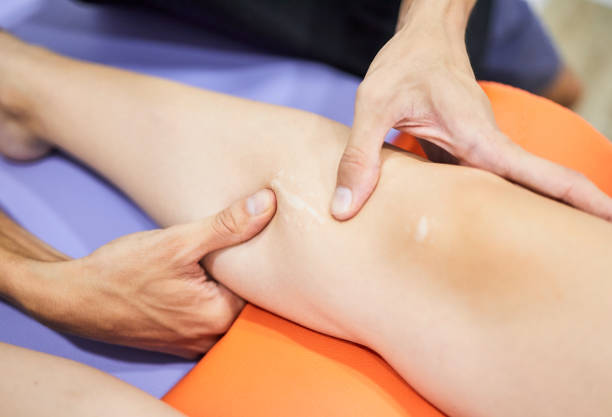
When Scars Tell More Than Your Story: How Massage Therapy in Newmarket Helps Them Fade
That moment you finally get your surgical stitches out, and the nurse cheerfully says, “Just give it time—it’ll fade!” But weeks turn into months, and instead of fading, your scar becomes a thick, tight rope that pulls when you move or catches glances in the mirror. If you’ve ever run your fingers over a raised, angry scar and wondered, “Is this really as good as it gets?”—you’re not alone.
At PhysioChiroWellness, we’ve heard this frustration from countless Newmarket residents – like Mark, a mechanic who came to us after knee surgery. “The surgeon said my ACL repair went perfectly,” he told us, “but I couldn’t squat without feeling like my skin was going to tear.” After just a few sessions of specialized massage therapy in Newmarket for his scar, the difference was night and day. “It wasn’t just about how it looked,” he said. “I could finally move without that constant tugging.“
Why Scars Don’t Have to Be Permanent Problems
Here’s what most people don’t realize about scars: your body doesn’t actually try to make them stiff or raised. That hardened tissue is just your body’s version of duct tape- a quick fix that prioritizes closing the wound over finesse. The problem? Left alone, scar tissue:
✔ Sticks to everything around it (like layers of fabric glued together)
✔ Grows in random, messy patterns instead of smooth, flexible fibers
✔ Can strangle nerves and blood vessels (hello, numbness and cold spots)
According to the Canadian Physiotherapy Association, early scar treatment can improve mobility by up to 60% compared to untreated scars. That’s where post-surgical massage therapy in Newmarket comes in—not just for looks, but for getting your body working properly again.
What Massage Therapy Actually Does for Scars (It’s Not Just Rubbing Lotion)
1. It Teaches Your Scar to Behave
Fresh scar tissue is like a rebellious teenager—it does whatever it wants. Massage helps by:
- Breaking up cross-links that make scars thick and ropey
- Encouraging collagen to lay flat instead of piling up randomly
- Preventing adhesions (those annoying “Velcro” spots where skin sticks to muscle)
A client who had a C-section at Southlake Regional Health Centre described it perfectly: “After weeks of massage, my scar went from feeling like a speed bump to just… normal skin.“
2. It Brings Back What You Thought Was Lost
That tummy tuck scar shouldn’t stop you from doing sit-ups. That shoulder surgery scar shouldn’t limit your reach. Massage helps by:
- Restoring sliding between tissue layers (so muscles move freely again)
- Improving blood flow to numb or cold areas
- Reducing that “pulling” sensation when you stretch
3. It Works Even on Old Scars
Think it’s too late because your surgery was years ago? Not necessarily. We’ve helped clients with:
- 10-year-old knee scars that finally stopped aching in cold weather
- Decades-old C-section scars that softened enough to wear fitted clothes comfortably
- Childhood injury scars that became less noticeable
The Surgeries We See Most in Newmarket (And How We Help)
1. C-Sections: More Than Just a “Mommy War”
Those “battle scars” can cause real issues:
- Adhesions leading to a “shelf” appearance
- Core weakness from restricted tissue
- Nerve entrapment causing numbness or tingling
Our approach combines gentle massage with safe core reactivation exercises.
2. Breast Surgeries (Reductions, Implants, Mastectomies)
Scarring here affects more than appearance—it can:
- Limit arm mobility (try reaching top shelves with tight scars)
- Cause cording (painful, rope-like bands under the arms)
- Impact lymphatic drainage (increasing swelling risk)
3. Orthopedic Surgeries (Knees, Shoulders, Hips)
Post-op stiffness often stems from:
- Scar tissue blocking full range of motion
- Compensatory movement patterns that strain other areas
- Nerve irritation from adhered tissue
4. Cosmetic Procedures (Tummy Tucks, Liposuction, Facelifts)
Even “elective” scars deserve care because:
- Thick scarring defeats the purpose of aesthetic procedures
- Fibrosis can create uneven contours
- Early treatment prevents long-term issues
What Actually Happens During Scar Massage?
If you’re imagining someone just rubbing lotion on your scar, think again. At PhysioChiroWellness, a typical session includes:
- Assessment
We’ll check:
- How your scar moves (or doesn’t)
- Areas of numbness or hypersensitivity
- Underlying adhesions you can’t see
- Treatment
Using specialized techniques like:
- Cross-fiber friction to remodel collagen
- Myofascial release for deeper adhesions
- Silicone tools to soften raised scars
- Education
We’ll show you:
- Safe self-massage techniques
- Signs of abnormal healing
- How to protect your scar during daily activities
Your Top Scar Questions—Answered Honestly
“When can I start?”
- For clean incisions: Once skin is fully closed (usually 2-3 weeks)
- For complex wounds: After surgeon clearance
- Old scars: Anytime—it’s never too late
“Will it hurt?”
Proper scar work should feel like “good pain”—like stretching a tight muscle. We’ll always work within your comfort level.
“How many scar massage sessions will I need?”
It depends on:
- Scar age: Fresh scars respond faster
- Location: Areas with more movement (like knees) often need more work
- Your goals: Appearance vs. functional improvement
Most clients see noticeable changes in 4-6 sessions.
Why “Just Wait and See” Isn’t Always the Best Advice for Scar
We often meet clients who were told:
- “It’ll fade with time” (but it didn’t)
- “Massage won’t help old scars” (it can)
- “The stiffness is normal” (it doesn’t have to be)
As one client with a 5-year-old knee scar realized: “I wish I hadn’t waited so long. Three months of treatment gave me back movement I thought was gone forever.“
Ready to Give Your Scar—and Yourself—a Second Chance?
Whether your surgery was yesterday or decades ago, specialized massage therapy in Newmarket can help your scars become less of a story and more of a footnote. Click here to book your scar assessment at PhysioChiroWellness today—because your body deserves to move freely, without being held back by its own healing.