
The Role Of Physiotherapy In Combatting Muscle Imbalances
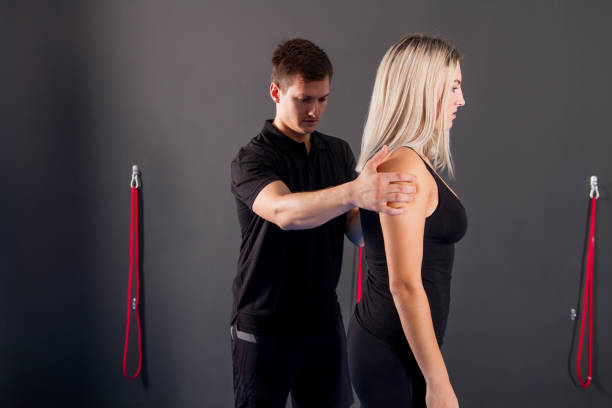
Combatting Muscle Imbalances with Physiotherapy in Vaughan
Ever feel like one side of your body is doing more work than the other? Or maybe you’ve noticed your posture shifting, your shoulders uneven, or certain movements just feel “off.” These are classic signs of muscle imbalances—a silent culprit behind many chronic pain and mobility issues. But here’s the good news: with targeted physiotherapy in Vaughan, you can identify and correct these imbalances before they lead to bigger problems.
At PhysioChiroWellness, we help clients regain balance—literally and functionally—through detailed assessments, personalized treatment plans, and progressive rehabilitation. Whether you’re an athlete, an office worker, or recovering from an injury, muscle imbalances can sneak up on anyone. Let’s break down why they happen, what they lead to, and how physiotherapy helps set things right.
What Are Muscle Imbalances—and Why Should You Care?
Muscle imbalances occur when certain muscles become stronger or tighter than their opposing muscle groups. This leads to uneven tension across joints, pulling your body out of alignment. Over time, these imbalances place stress on tendons, ligaments, and even your spine—leading to pain, reduced mobility, and injury.
Common Causes of Muscle Imbalances:
- Prolonged sitting and poor posture
- Repetitive movements (e.g., typing, lifting, or sports training)
- Previous injuries that weren’t fully rehabilitated
- Dominant-side overuse (right-handed vs. left-handed imbalance)
- Lack of full-body strength training
These imbalances may start small, but they often grow over time. Think of it like a car that’s out of alignment—drive long enough, and parts start to wear unevenly.
How Physiotherapy in Vaughan Addresses Muscle Imbalances
At PhysioChiroWellness, our approach to muscle imbalance isn’t about chasing pain. It’s about finding the root cause. Using a combination of manual therapy, movement screening, corrective exercises, and patient education, we help realign your body and restore optimal function.
1. Comprehensive Movement Assessment
Before we treat, we assess. Our physiotherapists use a variety of tools to analyze your movement patterns:
- Functional Movement Screening (FMS)
- Posture and gait analysis
- Range of motion and flexibility tests
- Muscle strength testing (isometric and dynamic)
We don’t just look at where it hurts—we look at how your entire kinetic chain is moving. Sometimes the problem lies not in the painful area, but in the compensation your body has developed elsewhere.
2. Manual Therapy for Realignment and Release
When certain muscles are chronically tight or overactive, they need hands-on help to release tension. We use:
- Soft tissue mobilization
- Trigger point therapy
- Joint mobilizations
- Myofascial release
These techniques reduce tension, improve circulation, and prepare your body for more effective corrective exercise.
3. Corrective Exercise Prescription
This is where the magic happens. We don’t believe in cookie-cutter workouts. Instead, our physiotherapists develop a personalized program targeting your specific imbalance—whether it’s weak glutes, tight hip flexors, or underactive scapular stabilizers.
Corrective exercise may include:
- Glute activation drills
- Core stability work
- Thoracic spine mobility exercises
- Balance and proprioceptive training
- Eccentric strengthening techniques
By teaching underused muscles to activate and overused ones to relax, we help your body find balance again.
4. Postural and Ergonomic Coaching
Even with perfect exercises, your daily habits can undo progress if left unchecked. That’s why part of your treatment includes education on:
- Optimal sitting and standing posture
- Workspace ergonomics
- Safe lifting techniques
- Movement cues for daily tasks (bending, walking, standing)
This ongoing awareness helps reinforce your progress between sessions and prevents future imbalances.
Why Treating Muscle Imbalances Matters
Unaddressed muscle imbalances can lead to:
- Chronic pain (especially in the lower back, neck, knees, and shoulders)
- Joint degeneration and arthritis
- Reduced performance in sports and daily activities
- Poor posture and increased injury risk
- Uneven wear and tear on the spine and joints
If you’re wondering why that knee pain keeps coming back or why your back flares up after a workout, there’s a good chance a muscle imbalance is at play.
Real Client Story: Vaughan Resident Finds Relief
Jason, a 42-year-old warehouse manager in Vaughan, came to PhysioChiroWellness with recurring hip and lower back pain. He had been stretching daily and even went to the gym, but nothing seemed to stick. After a full movement assessment, we discovered that his right glute was significantly underactive, causing his lower back to compensate during lifting and walking.
With a focused program including glute bridges, pelvic stability drills, and manual release for tight hip flexors, Jason saw major improvements in just six weeks. Not only did his pain decrease, but his posture improved—and he no longer feared lifting boxes at work.
Science-Backed Physiotherapy for Muscle Imbalances
Research supports the effectiveness of physiotherapy in correcting muscle imbalances. According to Physiotherapy Alberta and data from Health Canada:
- Muscle imbalance correction reduces the risk of sports and occupational injuries
- Strengthening and stretching programs restore neuromuscular control
- Proper movement pattern retraining improves pain and function in chronic conditions
Long-term correction requires consistent practice and professional guidance—which is exactly what we offer at PhysioChiroWellness.
FAQs: Physiotherapy for Muscle Imbalances in Vaughan
1. Can muscle imbalances fix themselves with exercise?
Not usually. Without a tailored plan, you might reinforce the imbalance. Physiotherapy helps correct it safely.
2. How do I know if I have a muscle imbalance?
Common signs include uneven strength, posture issues, or recurring pain on one side of the body.
3. Will I need to come in weekly?
In the beginning, yes. As you progress, we space out sessions and focus on maintenance.
4. Is this service covered by insurance?
Most extended health insurance plans cover physiotherapy in Ontario. Contact your provider to confirm.
5. Do I need a referral to start treatment?
No referral is needed. You can book directly at PhysioChiroWellness.
Book Your Physiotherapy Consultation in Vaughan Today
If something feels off in your body—or if you’re dealing with pain that keeps coming back—it’s time to look deeper. Physiotherapy in Vaughan at PhysioChiroWellness offers you a proactive, personalized path to correct muscle imbalances and move with confidence again.