
Physiotherapy Insights: How Ultrasound Therapy Heals Soft Tissue Injuries
Physiotherapy Insights in Newmarket: How Ultrasound Therapy Heals Soft Tissue Injuries
You know that feeling when you hurt yourself and think, “It’s fine, I’ll just rest for a bit and it’ll go away” – but weeks later, you’re still in pain? As experts in physiotherapy in Newmarket, we hear that story all the time. Maybe it’s a sprained ankle from a pick-up game, a pulled muscle from lifting something heavy, or that annoying tendon pain that just crept up after months of repetitive work. You try ice, rest, maybe even over-the-counter pain cream… but it’s still there.
That’s when physiotherapy in Newmarket can step in and change the game, especially when we bring ultrasound therapy into the mix.
Soft Tissue Injuries: They’re More Common Than You Think
Soft tissue injuries are exactly what they sound like – damage to the softer parts of your body: muscles, tendons, and ligaments. Sometimes they happen in a split second (like twisting your ankle on uneven ground), and sometimes they build up slowly (hello, tennis elbow).
They can leave you with:
- Pain and tenderness
- Swelling
- Stiffness or reduced movement
- Weakness in the injured area
And here’s the tricky part: without proper treatment, these injuries can linger, heal poorly, or come back again and again. That’s why early, targeted care matters so much.
So, What Is Ultrasound Therapy?
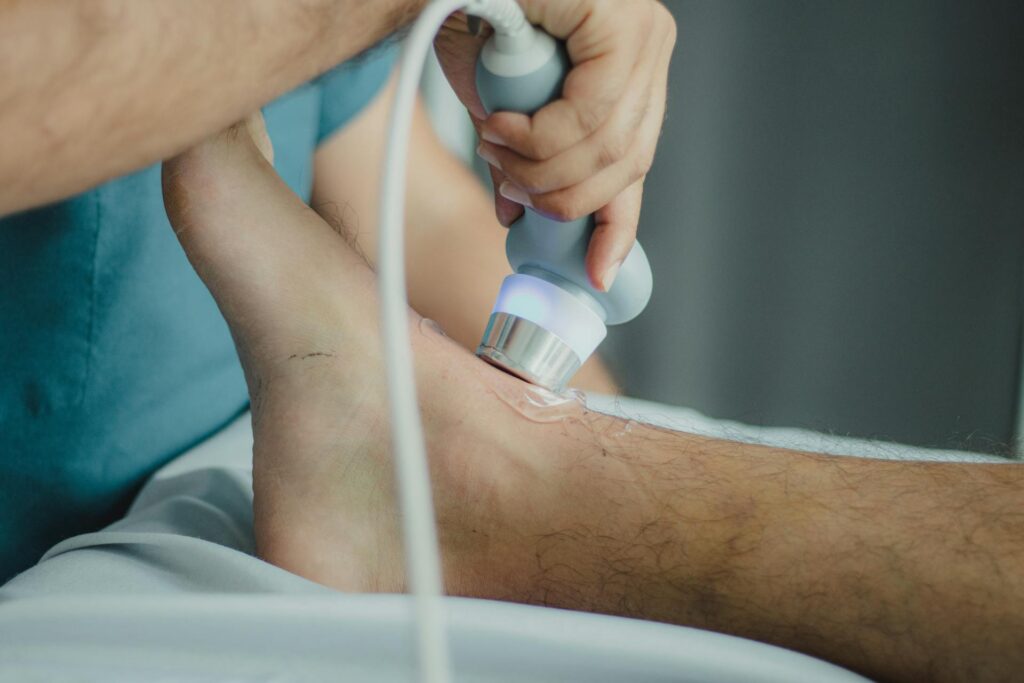
When we say “ultrasound,” people often think about pregnancy scans. This is different. In physiotherapy, ultrasound is a treatment that uses high-frequency sound waves – not to take pictures, but to help your body heal itself.
Here’s how it works:
- We use a small device with a smooth, rounded head.
- A gel is applied to your skin (so the sound waves can travel easily).
- The device is moved gently over the injured area in slow, circular motions.
Those sound waves travel into your tissues, and depending on how we use them, they can:
- Warm the area to increase blood flow
- Reduce swelling and inflammation
- Help repair damaged tissue
- Loosen tight muscles
- Break down scar tissue that’s limiting movement
Most people say it just feels warm and soothing—like a mini heat massage.
Why It Works: In Simple Language
Ultrasound therapy helps in two main ways:
- Thermal Effect – The gentle heat relaxes muscles, improves flexibility, and brings fresh oxygen and nutrients to the area—exactly what your body needs to heal.
- Non-Thermal Effect – It creates tiny, microscopic movements in the fluid around your cells, helping them repair faster and reducing swelling.
In other words, it gives your body a nudge in the right direction so it can do what it’s designed to do: heal.
When We Recommend Ultrasound Therapy
We often use ultrasound therapy for:
- Fresh injuries (sprains, strains)
- Chronic pain (tendonitis, bursitis)
- Post-surgery recovery to soften scar tissue
- Muscle tightness that makes exercise difficult
- Overuse injuries from sports or work
It’s gentle enough for new injuries and powerful enough to make a difference with older, stubborn ones.
A Real Story From Our Clinic
A patient – let’s call her Juliana – came in after hurting her calf during a weekend hike. She thought she’d be fine in a few days, but two weeks later, walking was still painful. She was frustrated because she loved hiking and didn’t want to sit on the sidelines all summer.
We created a treatment plan for her that included ultrasound therapy, gentle stretching, and strengthening exercises.
By her third ultrasound session, the swelling had gone down noticeably, and she was moving with more ease. A few weeks later, she was back to hiking—this time pain-free. She told us, “I can’t believe how quickly things turned around once we started physio. I wish I’d come in sooner.”
Why People in Newmarket Love Ultrasound Therapy
- It speeds up recovery so you can get back to doing what you love.
- It relieves pain by calming inflammation.
- It restores movement by loosening tight or stiff areas.
- It’s non-invasive—no needles, no downtime.
- It’s tailored to you—we adjust the treatment to your injury and healing stage.
What the Experts Say
The Canadian Physiotherapy Association and Health Canada both recognize ultrasound therapy as a safe and effective part of rehabilitation when used by trained professionals.
It works best when it’s part of a full recovery plan—combining hands-on treatment, targeted exercises, and lifestyle adjustments.
References:
- Health Canada – Physiotherapy Services
- Canadian Physiotherapy Association – Ultrasound Therapy
FAQs About Ultrasound Therapy and Physiotherapy in Newmarket
Does it hurt?
Not at all—it’s gentle and often feels relaxing.
How long does it take to work?
Some people notice changes after the first session, but most feel real progress after a few weeks.
Can it help with old injuries?
Yes. It can break down scar tissue and improve flexibility.
Is it covered by insurance?
Yes—if it’s part of physiotherapy, most extended health plans cover it.
How long does the treatment take?
The ultrasound part is quick—5–10 minutes within a full physiotherapy session.
Why Choose PhysioChiroWellness for Physiotherapy in Newmarket
At PhysioChiroWellness, we believe recovery should feel encouraging, not overwhelming. We take the time to listen to your story—how the injury happened, what it’s keeping you from doing, and what your goals are.
Then, we create a personalized plan that helps you heal faster, reduce pain, and feel confident in your body again. Ultrasound therapy is just one of the many tools we use to help you get there.
Your Recovery Starts With Our Physiotherapy in Newmarket
If you’re dealing with a soft tissue injury, you don’t have to “just live with it.” The sooner you start treatment, the sooner you’ll be back to feeling like yourself.