
Breathe Easier: How Physiotherapy Supports Respiratory Health
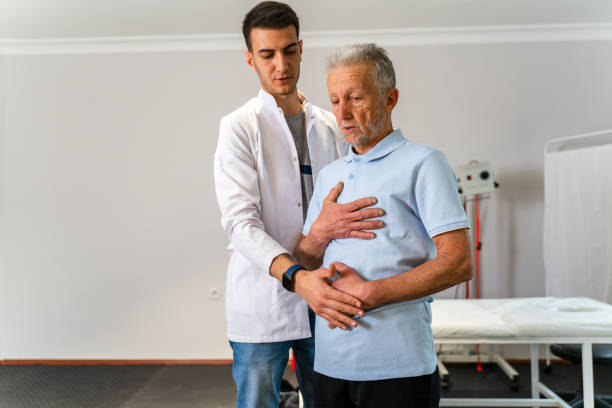
Breathe Easier: How Physiotherapy in Newmarket Supports Respiratory Health
Breathing—it’s something we do over 20,000 times a day without thinking. But for those dealing with respiratory challenges, every breath can feel like a battle. Whether you’re recovering from a respiratory infection, managing chronic lung disease, or simply feeling winded from everyday tasks, it might surprise you to learn that physiotherapy in Newmarket can be a powerful tool for improving your breathing and overall lung function.
At PhysioChiroWellness, we’ve seen firsthand how tailored respiratory physiotherapy can reduce symptoms, enhance endurance, and improve quality of life. Through guided breathing exercises, postural correction, mobility work, and chest physiotherapy, our team helps individuals reclaim their breath and restore confidence in their bodies.
Let’s explore how physiotherapy in Newmarket supports respiratory health, who benefits most, and what to expect during treatment.
Why Breathing Matters—and Why It Breaks Down
When your lungs or breathing muscles aren’t functioning at full capacity, even simple activities—like climbing stairs, walking to the mailbox, or talking for long periods—can leave you exhausted. The causes of respiratory issues vary, but they often share a common thread: reduced airflow, inefficient oxygen exchange, and limited movement in the chest or diaphragm.
Common Respiratory Conditions Treated with Physiotherapy Include:
- Chronic Obstructive Pulmonary Disease (COPD)
- Asthma
- Bronchitis or post-viral respiratory issues
- Post-COVID-19 lung complications
- Cystic fibrosis
- Pneumonia recovery
- Pulmonary fibrosis
- Post-surgical breathing weakness
- Rib fractures and chest wall injuries
These conditions can lead to shallow breathing, mucus buildup, fatigue, and poor posture—all of which compound the issue over time. That’s where physiotherapy makes a difference.
How Physiotherapy in Newmarket Supports Lung Health
At PhysioChiroWellness, our approach to respiratory care combines hands-on therapy with movement-based strategies. Every plan is tailored to the individual’s needs, severity of symptoms, and goals for recovery or maintenance.
1. Breathing Retraining Techniques
Many people with respiratory issues fall into poor breathing patterns—like using the upper chest too much or breathing too quickly. These patterns reduce oxygen exchange and create tension in the neck, shoulders, and chest.
We teach techniques such as:
- Diaphragmatic (belly) breathing – strengthens the diaphragm and increases lung volume
- Pursed-lip breathing – controls the rate of breath and helps release trapped air
- Segmental breathing – targets specific lobes of the lungs
- Breath pacing – syncs breathing with physical activity for better stamina
Over time, these techniques become second nature—empowering patients to control symptoms during activity or flare-ups.
2. Airway Clearance and Chest Physiotherapy
In conditions where mucus buildup is a problem—like bronchiectasis, pneumonia, or post-COVID inflammation—physiotherapists use specific techniques to loosen and clear airways.
These may include:
- Percussion therapy (manual clapping over the lungs)
- Vibration therapy
- Postural drainage (positioning the body to help mucus move)
- Huff coughing – a gentle way to expel mucus without straining the lungs
Clearing mucus regularly can significantly reduce infections and flare-ups in chronic lung conditions.
3. Posture and Mobility Optimization
Poor posture compresses the lungs and limits your ability to breathe deeply. Our physiotherapists assess and correct thoracic spine mobility, rib cage movement, and muscular imbalances that restrict your breathing.
We incorporate:
- Thoracic mobility stretches
- Strengthening for spinal support muscles
- Rib cage expansion exercises
- Shoulder and neck release work
Even small improvements in posture can lead to a big difference in breathing capacity.
4. Exercise Prescription for Respiratory Endurance
Exercise might seem intimidating when you’re short of breath—but it’s one of the most effective ways to improve your oxygen efficiency and lung strength. We start with low-impact exercises based on your current ability and progress gradually.
Common examples include:
- Walking or stationary cycling with monitored pacing
- Arm and leg exercises with breathing coordination
- Resistance training to improve respiratory muscle endurance
- Functional activities (like stair training or getting up from the floor)
This progressive training boosts confidence and reduces the fear that often comes with exertion when breathing is difficult.
Who Should Consider Respiratory Physiotherapy in Newmarket?
You don’t have to wait until you’re severely limited to benefit. We often work with:
- Adults recovering from respiratory infections or surgery
- Seniors managing age-related lung decline
- Individuals with asthma who want better symptom control
- Athletes or active adults with post-COVID symptoms
- Smokers or former smokers wanting to rebuild lung strength
- People with anxiety-related breathing issues
If you’re finding yourself more short of breath than usual—or recovering from an illness that affected your lungs—physiotherapy in Newmarket can support a full, confident return to health.
Real Story: Breathing Easier in Newmarket
Robert, a 65-year-old retired teacher, came to PhysioChiroWellness after a long bout with pneumonia. Even months after recovering, he struggled with shortness of breath while walking his dog or doing housework.
Through targeted breathing exercises, thoracic mobility work, and chest physiotherapy, Robert saw a 30% improvement in his lung capacity (measured with a spirometer) within six weeks. Most importantly, he felt energized, more mobile, and independent again.
Is There Science Behind Respiratory Physiotherapy?
Absolutely. According to studies from the Canadian Thoracic Society and guidelines supported by Health Canada:
- Respiratory physiotherapy improves ventilation and oxygenation in chronic lung disease
- It reduces hospital stays and readmissions in post-surgical and pneumonia cases
- Breathing exercises improve functional capacity and quality of life in COPD
- Airway clearance techniques are effective for mucus reduction and lung infection prevention
The approach is evidence-based and widely recommended in respiratory rehabilitation programs across Canada.
FAQs: Physiotherapy and Respiratory Health in Newmarket
1. Do I need a referral to start respiratory physiotherapy?
No referral is required. You can book directly at PhysioChiroWellness.
2. Will I need special equipment?
Not usually. We focus on body mechanics and breathing strategies that can be done at home with minimal tools.
3. Can physiotherapy help after COVID-19?
Yes. Many individuals benefit from chest therapy, breathing retraining, and gradual exercise post-COVID.
4. Is it safe if I have a chronic condition like COPD?
Definitely. We adjust every session based on your condition and tolerance to ensure safe, gradual progress.
5. Does insurance cover this?
Most extended health benefits cover physiotherapy sessions in Ontario.
Schedule Your Respiratory Consultation at PhysioChiroWellness
If you’re tired of catching your breath or feeling held back by your lungs, it’s time to take the first step toward relief. With tailored physiotherapy in Newmarket, you can strengthen your breathing, move with confidence, and truly live with ease again.