
Rehab Exercises That Speed Up Recovery: A Physiotherapist’s Guide
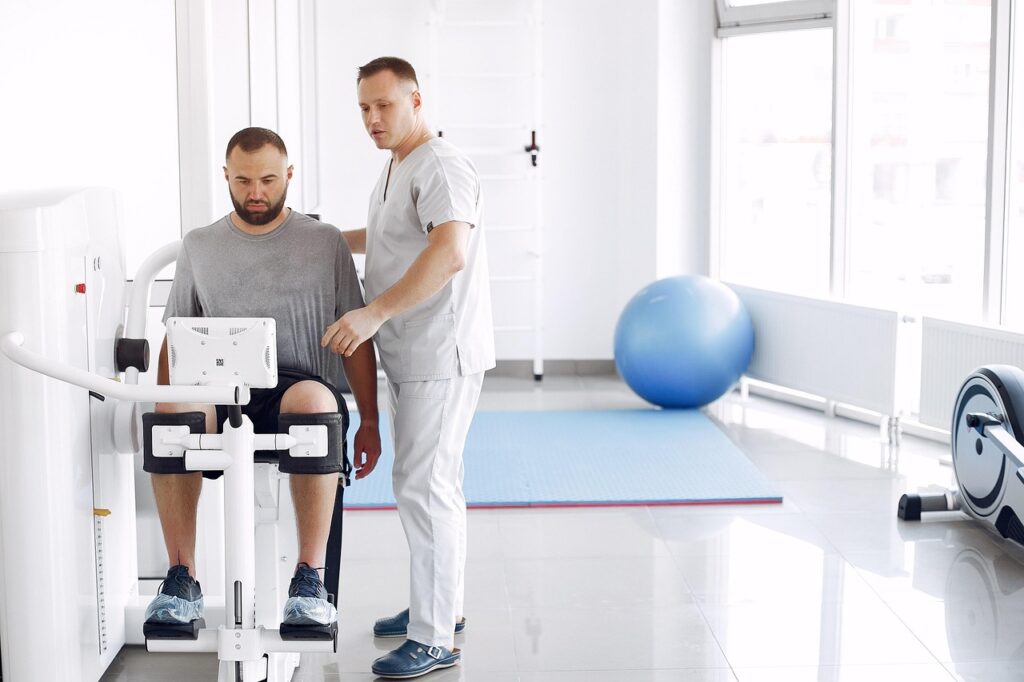
Rehab Exercises That Speed Up Recovery: A Physiotherapist’s Guide to Physiotherapy in Newmarket
Whether you’re coming back from a sprained ankle, recovering post-surgery, or dealing with chronic back pain, one thing is certain—recovery isn’t passive. And the right exercises can make all the difference. If you’re in Newmarket and searching for a more effective path to healing, physiotherapy in Newmarket offers personalized rehab strategies that get you moving safely and confidently again.
At PhysioChiroWellness, we work with individuals at every stage of recovery—from athletes rehabbing an injury to seniors regaining strength after joint replacement. We don’t just treat your pain; we guide your body back to resilience. And rehab exercises? They’re one of our most powerful tools.
Let’s walk through why these exercises work, how they’re tailored to you, and the types of movements that support faster, smarter healing.
Why Exercise Is Essential in Physiotherapy in Newmarket
Movement is medicine—but only when applied correctly. While rest has its place, prolonged inactivity after an injury can actually slow healing, increase stiffness, and reduce strength. Rehab exercises are carefully designed to:
- Restore joint mobility and flexibility
- Rebuild strength and endurance
- Improve coordination and balance
- Reduce pain and inflammation
- Prevent future injury by correcting movement patterns
Physiotherapy in Newmarket puts a strong emphasis on active recovery. That means we don’t just stretch and treat you during your appointment—we empower you with take-home strategies and customized exercises that help you progress every day.
Key Components of a Successful Rehab Program
Every recovery plan should be as unique as the person following it. At PhysioChiroWellness, we consider your:
- Injury type and severity
- Age, fitness level, and mobility
- Lifestyle and movement goals
- Pre-existing conditions
- Stage of healing (acute, subacute, or chronic)
From there, we build a rehab exercise plan that changes and grows with you. It’s not just about doing more—it’s about doing what your body actually needs.
Top Rehab Exercises Recommended by Physiotherapists in Newmarket
Here are some tried-and-true exercises we frequently incorporate into our rehab programs. These target different regions and serve different purposes—but all support faster recovery and better function.
1. Range of Motion Exercises
These are gentle, controlled movements that help maintain or restore flexibility in injured joints and tissues.
Examples:
- Pendulum swings for shoulder rehab
- Ankle alphabets for sprains
- Knee extensions for post-surgery stiffness
Range of motion exercises are usually introduced early in the rehab process and are essential for preventing joint stiffness and scar tissue build-up.
2. Isometric Strengthening
Isometric exercises involve contracting a muscle without actually moving the joint. They’re ideal in the early stages of rehab when movement is limited.
Examples:
- Quad sets (tightening the thigh while keeping the leg straight)
- Glute squeezes for hip rehab
- Wall sits with support
These build strength without stressing the healing area, paving the way for more dynamic movements later.
3. Resistance Training (Progressive)
As healing progresses, we gradually introduce resistance to rebuild muscle strength and endurance.
Tools may include:
- Resistance bands
- Light weights
- Bodyweight exercises (like bridges or step-ups)
- Machines for controlled motion
This phase is vital for regaining confidence and independence in movement.
4. Balance and Proprioception
Injuries can throw off your body’s sense of balance and coordination. Balance training helps prevent re-injury and strengthens stabilizing muscles.
Examples:
- Single-leg stands
- Bosu ball exercises
- Tandem walking (heel-to-toe)
These are especially important in ankle sprains, knee injuries, and concussion rehab.
5. Core Stabilization
No matter what injury you’re recovering from, a strong core supports better posture, safer movement, and lower injury risk.
Exercises we often prescribe:
- Dead bugs
- Bird dogs
- Pelvic tilts
- Transverse abdominal engagement drills
These teach your body how to move from a place of stability—vital for lifting, walking, running, and returning to daily life.
How We Personalize Your Rehab Plan at PhysioChiroWellness
Generic programs just don’t cut it. At PhysioChiroWellness, your rehab journey starts with a comprehensive assessment. We look at:
- Injury history and timeline
- Muscle imbalances and posture
- Movement mechanics
- Pain triggers and limitations
- Functional goals (work, sports, lifestyle)
Then, we build a rehab exercise progression tailored to your needs. You’ll receive:
- In-clinic guidance
- Video demos of each exercise
- Regular progress evaluations
- Modifications based on how your body responds
We’re with you every step of the way—not just handing you a sheet and sending you off.
Success Story: Rehab Done Right in Newmarket
Meet Kevin, a 28-year-old carpenter from Newmarket. After a serious ACL tear and surgery, he was nervous about re-injuring himself and losing his ability to work. He came to PhysioChiroWellness with a stiff knee, low confidence, and lots of pain.
Through consistent rehab sessions focused on quad activation, balance training, and gradual resistance work, Kevin not only regained full mobility—he returned to work stronger than before.
The key? A personalized program, clear communication, and smart progression. That’s what we aim for with every client.
The Science Behind Rehab Exercise and Recovery
Research from Health Canada and the Canadian Physiotherapy Association confirms what physiotherapists have known for decades—exercise-based rehab significantly improves long-term outcomes for musculoskeletal injuries and surgeries.
Benefits include:
- Reduced recurrence of injuries
- Shorter recovery times
- Improved pain tolerance
- Increased mobility and strength
- Better mental health during the healing process
In fact, active rehab has been shown to outperform passive treatments (like rest alone) in nearly every study related to orthopedic and soft-tissue injuries.
When to Start Rehab After an Injury With Physiotherapy in Newmarket
Timing matters. Starting too soon—or too aggressively—can cause setbacks. But waiting too long can lead to stiffness and deconditioning.
That’s why seeing a professional is critical. At PhysioChiroWellness, we help determine the right timing for every exercise in your recovery plan—whether you’re in the early inflammation stage or rebuilding strength months post-injury.
Book Your Physiotherapy Consultation in Newmarket Today
If you’re tired of waiting for your body to “just heal,” it might be time to take an active role in your recovery. At PhysioChiroWellness, our experts in physiotherapy in Newmarket guide you through customized rehab programs that restore strength, speed up healing, and help you move forward—literally and figuratively.
FAQs About Rehab and Physiotherapy in Newmarket
1. When should I start physiotherapy after an injury?
As soon as your physician or physiotherapist clears you. Early intervention improves outcomes in most cases.
2. Can I do rehab exercises at home?
Yes, most rehab programs include at-home components. Your physiotherapist will ensure you’re doing them correctly.
3. How often should I attend sessions?
This depends on your injury and recovery stage. It could range from once a week to several times weekly initially.
4. What if my pain gets worse during rehab?
We adjust. Rehab should challenge you—not hurt you. Let your therapist know so your plan can be modified safely.
5. Is physiotherapy covered by insurance in Newmarket?
Yes, most extended health benefits cover physiotherapy services. Check with your provider for exact details.