
IASTM Explained: Tools, Techniques & Therapeutic Gains With Physiotherapy
IASTM Explained: Tools, Techniques & Therapeutic Gains with Physiotherapy in Newmarket
When you think of physiotherapy, you probably imagine traditional manual therapy, stretches, or exercises. But there’s a growing technique that’s gaining traction for treating soft tissue injuries more effectively—Instrument-Assisted Soft Tissue Mobilization (IASTM). And if you’re seeking advanced, results-driven care through physiotherapy in Newmarket, IASTM might just be the game-changer you’ve been looking for.
At PhysioChiroWellness, we use IASTM as part of an integrative physiotherapy approach. It’s not about scraping or bruising your muscles. It’s about strategically using specially designed tools to stimulate healing, improve mobility, and reduce pain in targeted areas. This technique can be especially helpful for athletes, active individuals, and anyone recovering from injury.
So let’s break it all down: What is IASTM, how does it work, and why should it be part of your next physiotherapy session in Newmarket?
What Is IASTM? A Simple Explanation
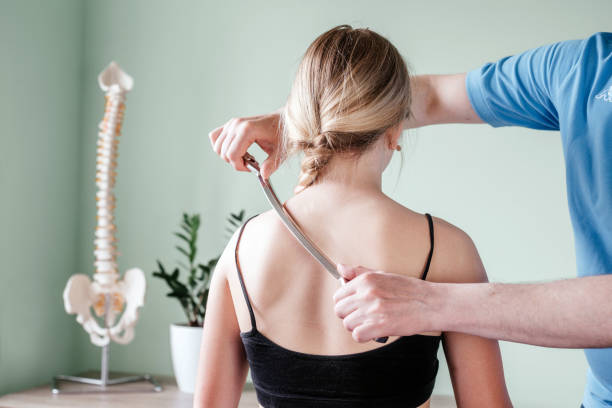
IASTM stands for Instrument-Assisted Soft Tissue Mobilization. In essence, it’s a modern version of a traditional Chinese technique known as Gua Sha, refined for clinical use. Instead of using fingers and hands alone, therapists use specially shaped metal or plastic tools to gently glide over the skin, detecting and treating restrictions in the fascia and soft tissues.
These tools help:
- Break down scar tissue and adhesions
- Improve blood flow and lymphatic drainage
- Stimulate nervous system receptors for pain relief
- Encourage collagen remodeling during injury healing
It might sound intense, but it’s actually quite comfortable when done by a trained professional—and the results can be remarkable.
How IASTM Works in Physiotherapy in Newmarket
When you visit PhysioChiroWellness, IASTM is never a one-size-fits-all approach. Our physiotherapists assess your mobility, strength, injury history, and goals before deciding whether IASTM is right for you.
Here’s how it typically works:
- Assessment – We identify areas of tightness, scar tissue, or restricted movement.
- Preparation – We warm up the tissue through light massage or exercise.
- Tool Application – Using smooth, ergonomically shaped instruments, your physiotherapist glides along muscles, tendons, or ligaments to release adhesions.
- Post-Treatment Movement – We incorporate targeted exercises to reinforce mobility and function.
- Aftercare – Guidance may include hydration, icing (if necessary), and follow-up movement patterns.
The tools are designed to provide precise feedback, both for the therapist and for your tissues. This helps us “listen” to what your body needs and respond accordingly.
The Tools Behind the Technique
You’ve probably seen IASTM tools and not even realized it. They come in different shapes and sizes—curved edges, straight lines, long handles—and are often made of stainless steel or durable plastic.
At our Newmarket clinic, we use tools suited for:
- Larger muscle groups like quads, hamstrings, or the back
- Smaller, intricate areas like forearms, calves, or the neck
- Post-surgical scar tissue release
- Repetitive strain injuries in the wrist or shoulder
Each tool allows for precision, enabling your physiotherapist to detect subtle restrictions and apply the right amount of pressure.
What Conditions Can IASTM Help With?
IASTM has a broad range of applications. It’s not just for athletes or those recovering from major injuries. If you’re experiencing chronic stiffness, soft tissue tightness, or unexplained pain, this could be the missing piece.
Common Conditions We Treat with IASTM in Newmarket:
- Tendinopathies (tennis elbow, Achilles tendinitis, rotator cuff tendinopathy)
- Plantar fasciitis
- IT band syndrome
- Carpal tunnel syndrome
- Neck and back stiffness
- Muscle strains or sprains
- Scar tissue from surgery or trauma
- Shin splints and calf tightness
- Frozen shoulder and joint immobility
IASTM is often combined with therapeutic exercise, stretching, and manual therapy for a well-rounded recovery plan.
Does IASTM Hurt? Let’s Clear the Air
No, IASTM should not be painful. While some areas might feel tender—especially where there’s old scar tissue or inflammation—treatment should feel more like a deep tissue massage than a harsh scraping session.
At PhysioChiroWellness, our team is trained to use IASTM safely and effectively. We adjust pressure, session length, and frequency based on your tolerance and feedback. You might experience slight redness or warmth in the treated area—that’s your circulation doing its job.
A Real Patient Experience with IASTM in Newmarket
Julia, a 45-year-old fitness instructor from Newmarket, came to our clinic with chronic hamstring tightness that was limiting her workouts. Traditional stretching and massage helped temporarily, but the tightness always returned.
After assessing her movement patterns and history, we introduced IASTM into her care plan. Within three sessions, Julia reported better flexibility and reduced post-workout soreness. After five sessions, her range of motion had improved significantly, and she was back to teaching without discomfort.
It wasn’t just the tools—it was the integration of IASTM with targeted strengthening and education that made the difference.
The Science Behind IASTM
Clinical research supports the use of IASTM in soft tissue therapy. According to data referenced by the Canadian Physiotherapy Association and several studies published in journals like Journal of Manual & Manipulative Therapy:
- IASTM improves tissue extensibility and joint range of motion
- It reduces pain in chronic tendinopathies and myofascial conditions
- It accelerates functional recovery by promoting tissue remodeling
- Safe and effective when combined with rehabilitation exercises
These benefits are aligned with the evidence-based standards followed by physiotherapists across Canada, as recognized by Health Canada and regulatory colleges.
When Should You Consider IASTM Physiotherapy in Newmarket?
You don’t need to wait until you’re in severe pain. IASTM is great for both injury recovery and preventative care. Book a consultation if:
- You’ve had an injury that never fully healed
- You’re an athlete or gym-goer dealing with muscle tension
- You’ve noticed recurring stiffness in the same area
- You’re recovering from surgery or experiencing limited mobility
- You want to enhance your performance or avoid re-injury
Book Your IASTM Consultation at PhysioChiroWellness in Newmarket
If you’re ready to try a modern, results-focused method for reducing pain and boosting mobility, IASTM might be the solution you didn’t know you needed. Our team at PhysioChiroWellness specializes in personalized, hands-on physiotherapy in Newmarket, using advanced techniques like IASTM to get you moving and feeling your best.
FAQs About IASTM and Physiotherapy in Newmarket
1. Is IASTM safe for older adults?
Yes. We adjust pressure and technique for each age and comfort level. Many seniors benefit from improved mobility with IASTM.
2. How many sessions will I need?
It depends on your condition. Many patients feel improvement after 3–6 sessions, while chronic conditions may take longer.
3. Can IASTM be combined with other therapies?
Absolutely. We often pair it with exercise, manual therapy, and even chiropractic care for holistic results.
4. Will my insurance cover this?
IASTM is part of your physiotherapy treatment and is covered under most extended health insurance plans.
5. Do I need a referral?
No referral is needed. You can book directly with one of our physiotherapists.