
Cupping In Physiotherapy: Myofascial Release for Pain and Performance
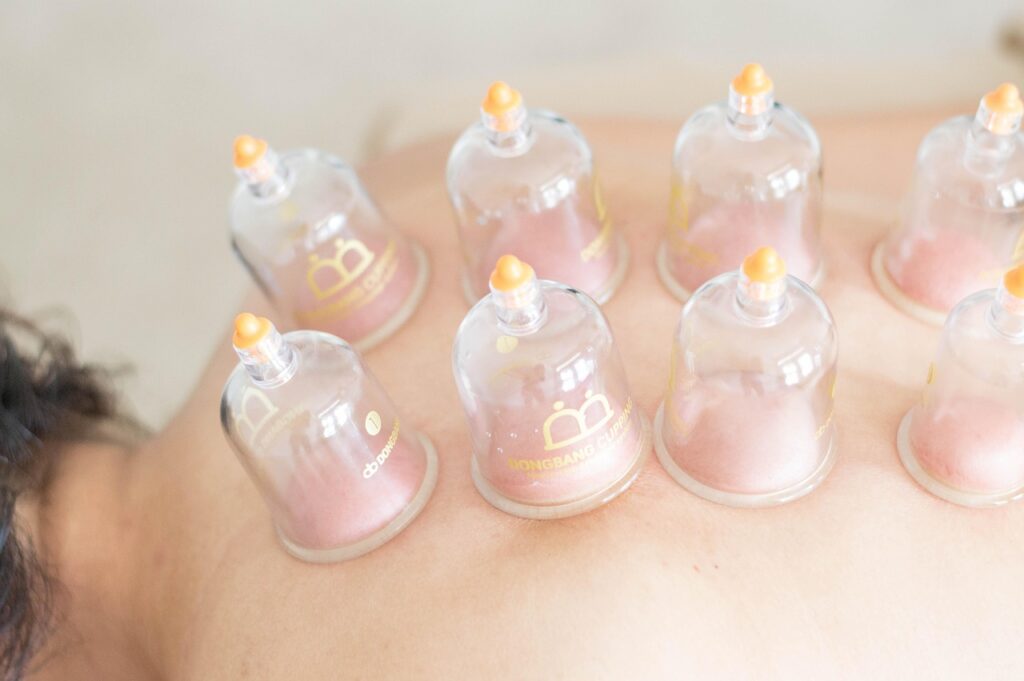
Cupping Therapy in Physiotherapy in Newmarket: Myofascial Release for Pain and Performance
Have you ever felt like no matter how much you stretch, your muscles just won’t let go of tension? Or maybe you’ve battled through nagging pain that keeps coming back after workouts or long days at work. If you’re nodding along, you’re not alone. Many people in our community ask about ways to get that “deep release” beyond regular exercises and stretches. That’s where Physiotherapy in Newmarket combined with cupping therapy comes into play.
At PhysioChiroWellness, we’ve seen firsthand how cupping therapy, when used as part of an integrated physiotherapy plan, can help reduce pain, improve mobility, and even boost athletic performance. But beyond the science, it’s about how you feel in your body every day—lighter, freer, and more capable of doing the things you love.
What is Cupping Therapy, Really?
If you’ve ever watched an athlete with round, reddish marks on their back or shoulders, that’s likely cupping therapy at work. While it might look unusual, it’s actually an ancient practice with a long history in traditional medicine. In a physiotherapy setting, cupping isn’t just about tradition—it’s carefully adapted to fit modern musculoskeletal care.
Here’s the gist: small cups are placed on the skin, and suction is created. This suction lifts the skin and underlying fascia (the connective tissue around muscles). That lift encourages blood flow, gently releases tight fascia, and helps the body clear out stagnant fluids. The result? Less discomfort, improved tissue health, and often, a surprising increase in mobility.
Why Pair Cupping Therapy with Physiotherapy in Newmarket?
Physiotherapists in Newmarket often use cupping therapy as part of a broader treatment plan. Here’s why it can be so effective:
- Myofascial release: When fascia becomes tense or stuck, it can restrict movement. Cupping loosens it.
- Pain relief: Increased blood circulation helps bring oxygen and nutrients to sore muscles.
- Better recovery: Athletes find cupping aids in faster recovery after training or competition.
- Stress reduction: The process can feel deeply relaxing, almost like a weight being lifted off your tissues.
This makes cupping a great partner for other physiotherapy techniques such as manual therapy, therapeutic exercise, or acupuncture.
The Role of Myofascial Release in Pain and Performance
Let’s talk fascia for a moment—it’s one of the most overlooked contributors to pain and stiffness. Fascia wraps around every muscle, tendon, and organ in your body like a web. When it becomes restricted, maybe from injury, posture habits, or stress, it can create knots, tension, and even trigger points.
Through cupping in physiotherapy, these restrictions are released. Imagine your body moving with ease again—walking feels lighter, your golf swing smoother, or you bend down to tie your shoes without that twinge. That’s the everyday impact of healthy fascia.
What to Expect at Your Appointment in Newmarket
If you’re curious about trying cupping at PhysioChiroWellness, here’s what your session might look like:
- Assessment first: Your physiotherapist will talk through your health history, your pain, and your goals.
- Personalized plan: Cupping may be combined with stretching, strengthening, or manual therapy depending on your needs.
- During cupping: Cups are applied to the target areas, and you may feel suction that ranges from gentle to intense. It shouldn’t be painful—just a unique sensation.
- After the session: It’s normal to have temporary circular marks where the cups were placed. They typically fade within a week. Most people feel a sense of looseness or release right away.
Benefits for Everyday People and Athletes in Newmarket
You don’t need to be a professional competitor to benefit. Here are just a few real-life scenarios cupping therapy can help with:
- A desk worker with stiff shoulders and neck from hours at the computer
- A runner struggling with tight hamstrings or calves
- A busy parent carrying stress in the lower back
- A weekend hockey player managing lingering soreness after games
Many patients describe it as the missing piece in their recovery puzzle—it enhances the progress they’re already making in physiotherapy.
Is Cupping Backed by Research?
Yes, and it’s growing. According to the U.S. National Institutes of Health (NIH) and the Government of Canada’s resources on integrative health care, cupping therapy has shown promising results for reducing musculoskeletal pain and improving mobility. While more research is always emerging, the evidence supports what many patients in Newmarket experience firsthand: real relief that improves quality of life.
FAQs About Cupping Therapy in Physiotherapy
Will cupping therapy hurt?
No, but you will likely feel firm suction. Most people say it feels unusual but relaxing.
How long do the marks last?
The red or purple circles typically fade within 3–7 days. They are not bruises, but rather signs of increased circulation.
Can cupping therapy treat chronic conditions like back pain or arthritis?
Cupping doesn’t “cure” chronic conditions, but it can ease discomfort and support mobility when part of a physiotherapy plan.
Is cupping safe for everyone?
Most people can safely receive cupping, but your physiotherapist will review your health history to be sure. It may be avoided for individuals with skin conditions, certain heart conditions, or blood disorders.
How many sessions will I need?
That depends on your goals and your body’s response. Some people feel results after just one session, while others benefit from several treatments over time.
Why PhysioChiroWellness in Newmarket for Cupping Therapy?
At PhysioChiroWellness, you’re not treated with a one-size-fits-all approach. Our team takes time to listen to your concerns, assess your condition, and design a plan that works for your lifestyle. We combine therapies like cupping, manual therapy, chiropractic, and acupuncture so you get care from multiple angles.
Patients often say the environment feels calming and supportive—which we believe makes a big difference when you’re trying to heal or improve performance.
Ready to Ease Pain and Move Freely Again?
If pain or stiffness is getting in the way of your daily life, it doesn’t have to stay that way. With Physiotherapy in Newmarket and cupping therapy, you can finally move past the limitations and feel the difference in your body.
References
- Government of Canada. (2022). Integrative health practices and musculoskeletal care. Retrieved from https://www.canada.ca
- National Center for Complementary and Integrative Health. (2023). Cupping: What you need to know. Retrieved from https://www.nccih.nih.gov