
Taping Into Relief: How Physiotherapy Uses Kinesio Tape For Recovery
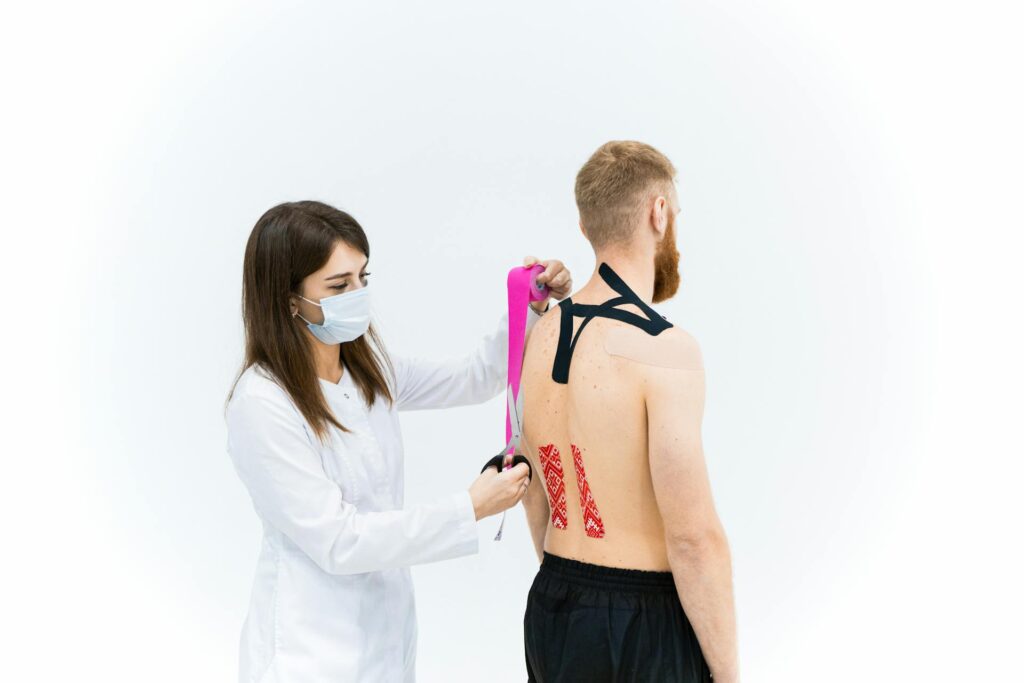
Taping into Relief: How Physiotherapy Uses Kinesio Tape for Recovery in Vaughan
If you’ve ever spotted those colourful strips of tape stretched across a shoulder, calf, or lower back, you’ve likely come across Kinesio tape—one of the more eye-catching tools in the world of physiotherapy. But while it may look like a trendy athletic accessory, it’s much more than that.
Here in Vaughan, more and more people—athletes, office workers, weekend warriors, and even busy parents—are turning to physiotherapy in Vaughan for personalized recovery strategies. And Kinesio taping is quietly becoming one of the most supportive (and surprisingly gentle) methods to reduce pain, enhance mobility, and accelerate healing.
At PhysioChiroWellness, we’ve seen Kinesio tape play a valuable role in helping clients recover from injury, manage chronic conditions, and feel more confident moving their bodies again. If you’re new to it or wondering if it could help you, this guide breaks it all down—without the jargon and with a whole lot of heart.
What Is Kinesio Tape, and How Does It Actually Work?
Let’s start with the basics. Kinesio tape (short for Kinesiology tape) is a stretchy, breathable, cotton-based therapeutic tape that’s applied directly to the skin. Developed in the 1970s by Dr. Kenzo Kase, a Japanese chiropractor, the tape is designed to mimic the skin’s natural elasticity—so you can move freely while receiving support.
Unlike traditional athletic tape that restricts movement, Kinesio tape works by lifting the skin ever so slightly. This subtle lift improves circulation, reduces pressure on pain receptors, and helps lymphatic fluid drain away from swollen or inflamed areas.
In simpler terms? It helps your body feel safer and supported—without limiting how you move.
Why Physiotherapy in Vaughan Uses Kinesio Tape
At PhysioChiroWellness, we use Kinesio taping not as a cure-all, but as a smart, non-invasive tool that complements your broader physiotherapy treatment plan.
We may apply it to:
- Reduce swelling and inflammation after injury
- Relieve joint or muscle pain
- Improve posture or muscle alignment
- Support weak or healing muscles
- Aid recovery from surgery
- Help athletes prevent re-injury during performance
Whether you’re recovering from a sprained ankle, managing shoulder instability, or dealing with tension headaches caused by poor posture, physiotherapy in Vaughan can apply taping as part of your individualized recovery process.
How Kinesio Taping Fits Into Your Recovery Journey
No two injuries are the same. That’s why we treat every person who walks through our doors like the unique human they are. If taping is appropriate for your situation, it’s applied as part of a broader plan that may also include:
- Targeted manual therapy
- Therapeutic exercises to rebuild strength and stability
- Stretching and mobility work
- Education on posture, body mechanics, or sport-specific movements
The tape itself can last several days, even through showers and workouts. It’s flexible, hypoallergenic, and designed to move with you—so you’ll likely forget it’s even there until you start to feel the difference.
Who Can Benefit from Kinesio Taping?
You don’t have to be an athlete to benefit from Kinesio tape. In fact, many of our clients are everyday people dealing with:
- Lower back pain from long hours at a desk
- Knee discomfort from jogging or hiking
- Wrist pain from repetitive computer use
- Neck tension from poor posture or sleep habits
- Swelling post-surgery or after a sprain
For example, one of our clients—a 48-year-old graphic designer from Vaughan—was experiencing chronic wrist pain from years of mouse and keyboard work. After integrating Kinesio taping into her treatment, along with ergonomic adjustments and mobility exercises, she was finally able to work without flinching in pain.
Another client, a 17-year-old basketball player, used Kinesio tape to stabilize her ankle post-injury and safely return to play with fewer flare-ups.
In both cases, the tape wasn’t a miracle cure—it was a valuable layer of support in a well-rounded plan.
Kinesio Taping and Science: What the Research Says
While Kinesio tape has sometimes been misunderstood, recent studies show its promise—especially when used under the guidance of a skilled physiotherapist.
A 2019 systematic review published in BMJ Open Sport & Exercise Medicine found that Kinesio taping can provide short-term pain relief and improve range of motion in individuals with musculoskeletal injuries. Additionally, research from Health Canada supports the inclusion of manual therapy tools like taping in comprehensive physiotherapy care, particularly when combined with active rehabilitation.
The takeaway? Tape isn’t magic, but when it’s applied correctly—and in the context of a broader recovery plan—it can be an incredibly helpful ally in healing.
Common Questions We Hear About Kinesio Tape
“Does it hurt when the tape is applied or removed?”
Nope! The application is gentle. It may feel snug but shouldn’t be uncomfortable. When it’s time to remove it, we recommend doing so in the shower to minimize skin irritation.
“Can I wear it while working out or showering?”
Yes! It’s water-resistant and breathable, meaning it stays on during workouts, swimming, and daily routines.
“Will it fix my injury on its own?”
No, and any physiotherapist who says otherwise isn’t being honest. It’s a tool—not a standalone treatment. But in the hands of an expert, it supports your recovery process beautifully.
“Is Kinesio tape safe for children or older adults?”
Absolutely. It’s non-invasive and suitable for a wide range of ages and conditions, from sports injuries in teens to arthritis support in seniors.
Real Life, Real Relief: Vaughan Success Stories
At PhysioChiroWellness, we’ve used Kinesio taping to help clients return to running, manage neck tension during pregnancy, recover faster from sprains, and feel stronger during physiotherapy sessions.
One Vaughan resident, Daniel, came to us post-ACL surgery. His knee was stable, but the lingering inflammation was slowing him down. We applied Kinesio tape to gently lift the skin and improve lymphatic drainage. Within a week, the swelling had reduced significantly, and his rehab exercises felt easier.
These kinds of small wins add up—and remind us that healing doesn’t always require high-tech solutions. Sometimes, the simplest tools are the most effective.
Is Taping Right for You? Let’s Find Out—Together
Your recovery isn’t about doing what’s trendy. It’s about doing what works for your body, your lifestyle, and your goals.
Whether you’re managing chronic pain, coming back from an injury, or simply want to move more confidently, physiotherapy in Vaughan at PhysioChiroWellness offers experienced care, thoughtful plans, and a team that’s invested in your recovery.
Taping might be one part of that puzzle—or not. But we’ll help you figure it out, step by step.