
Preventing Reinjury: Physiotherapy Strategies For ACL Tears
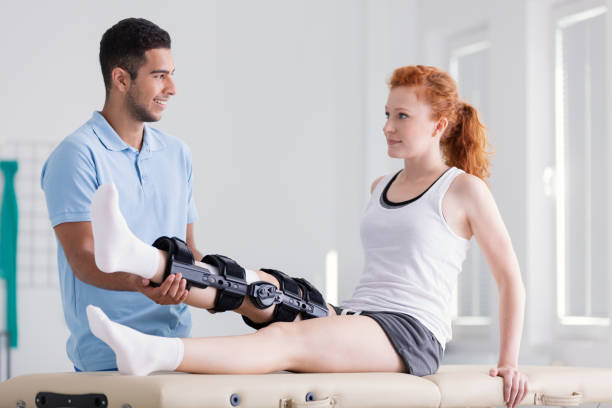
Preventing Reinjury: Physiotherapy Strategies for ACL Tears in Vaughan
If you’ve ever torn your ACL, you know the pain isn’t just physical – it’s emotional, too. There’s the initial injury, of course. The swelling, the limping, the time off your favorite sport or activity. But then there’s the long road back: the cautious steps, the modified workouts, and the constant thought at the back of your mind – “What if it happens again?” For many people in Vaughan recovering from an ACL tear, reinjury is a real concern. And rightfully so. Studies show that without proper rehab, re-tearing the same ligament – or injuring the other knee – is surprisingly common. That’s where physiotherapy in Vaughan becomes so much more than just a treatment. It becomes a personalized, preventative strategy—one that empowers you to get back to movement confidently and safely.
Let’s take a look at how targeted physiotherapy can not only help you recover from an ACL injury, but help prevent you from ending up right back where you started.
ACL Injuries: More Common Than You Think
The ACL or anterior cruciate ligament—is one of the key stabilizers of the knee. It keeps your shin bone from sliding forward too far and supports rotational movements. Injuries usually happen during sudden stops, pivoting, or awkward landings—especially in sports like soccer, basketball, skiing, and volleyball.
But here’s something many people don’t realize: once you’ve torn your ACL, your chances of tearing it again—or injuring your opposite knee—go up significantly. According to the Canadian Orthopaedic Foundation, roughly 1 in 4 young athletes will suffer a second ACL injury within two years of returning to play.
That’s not just frustrating. It’s preventable—with the right support.
The Role of Physiotherapy in Vaughan for ACL Recovery & Prevention
At PhysioChiroWellness, our physiotherapy team sees ACL injuries regularly. But more importantly, we focus on what happens next—when the cast is off, the swelling’s gone, and it’s time to rebuild your strength, movement, and confidence.
So what does that look like?
It starts with a comprehensive rehab program that addresses not just the knee—but the entire body.
What Makes ACL Rehab So Tricky?
It’s not just about healing the ligament—it’s about retraining how your entire leg (and even your hips, core, and posture) function. After an ACL injury, many people develop compensation patterns. Maybe you avoid putting full weight on the leg. Maybe your hip turns slightly when you walk. These subtle changes might feel like “just being careful,” but over time, they can throw off your mechanics—and make you vulnerable to another injury.
That’s why physiotherapy in Vaughan is built around restoring proper movement patterns first, and then strengthening them.
Key Physiotherapy Strategies to Prevent ACL Reinjury in Vaughan
1. Neuromuscular Training
Reinjury prevention starts with retraining your brain-body connection. We focus on helping your muscles fire in the right order—especially during landing, cutting, or twisting movements. Balance, agility, and coordination drills are essential.
2. Strengthening the Right Muscles
It’s not just about the quads. In fact, many people overuse them and neglect the hamstrings, glutes, and deep hip stabilizers—which are key to protecting the knee. Your physiotherapist will design a plan that targets weaknesses specific to you.
3. Core Stability & Posture
You might be thinking: “What does my core have to do with my ACL?” A lot, actually. Poor posture and core control affect your knee alignment—especially during dynamic movements like jumping or changing direction.
4. Return-to-Sport Testing
Before we clear anyone to get back on the field or the court, we run through sport-specific tests. These might include single-leg hops, speed/agility drills, and movement screens to make sure your body is truly ready—not just pain-free.
5. Education & Awareness
This is one of the most overlooked tools in physiotherapy. Knowing what to watch for—whether it’s muscle fatigue, movement compensations, or early warning signs of strain—can help prevent setbacks.
When Should You Start Physiotherapy in Vaughan?
If you’ve had ACL surgery, you should ideally begin physiotherapy within a few days of the procedure (once your surgeon gives the go-ahead). For non-surgical ACL injuries, early intervention is just as important.
But even if it’s been weeks – or months- since your injury, it’s never too late to start a reinjury prevention program. Many of our Vaughan patients come to us after “graduating” from initial rehab, unsure of how to safely return to high-level movement. That’s exactly where targeted physiotherapy fills the gap.
Supporting Your Recovery with a Whole-Body Approach
At PhysioChiroWellness, our ACL rehab and reinjury prevention programs are highly personalized. We often combine physiotherapy with:
- Chiropractic care to correct postural issues or spinal alignment that affects movement
- Massage therapy to release tight tissues that may restrict joint motion
- Naturopathic care to support inflammation, tissue healing, and energy levels through nutrition and supplementation
This integrative approach allows us to support your entire recovery journey—not just your knee.
A Vaughan Success Story: From Reinjury Risk to Confident Movement
One of our patients, a 24-year-old recreational soccer player in Vaughan, came to us six months post-ACL surgery. He had finished his hospital-based rehab but felt nervous getting back into games. He said, “Physically, I feel okay—but mentally, I don’t trust my knee.”
Over 8 weeks, we worked on proprioceptive drills, single-leg landing technique, and strength rebalancing between his legs. We added agility work, simulated soccer drills, and gradually reintroduced running and cutting. Most importantly, we worked on building confidence.
He’s now back on the field—and playing with less hesitation than he had even before the injury.
What the Research Says
According to Physiotherapy Alberta College + Association, reinjury rates drop significantly with neuromuscular training programs that include balance, agility, and movement retraining.
A 2020 study in the British Journal of Sports Medicine showed that individuals who completed a full, targeted physiotherapy program were 60% less likely to reinjure their ACL than those who only did basic post-surgical rehab.
In short—smart rehab works. And it’s never too late to start.
FAQs About ACL Physiotherapy in Vaughan
Q: Do I need a referral to start physiotherapy?
No. You can book directly with our physiotherapy team in Vaughan without a doctor’s referral.
Q: Is physiotherapy covered by insurance?
Yes! Most extended health plans cover physiotherapy. We also offer direct billing to make the process easier.
Q: What if I didn’t have surgery?
That’s okay. Many ACL injuries are treated non-surgically. Physiotherapy is essential in both cases.
Q: How long will I need to do physio?
It varies, but most ACL rehab programs last between 3 to 6 months. Our focus is on quality, not rushing your return.
Your Knee Deserves Better Than Guesswork
If you’ve had an ACL injury, your recovery deserves more than just “rest and hope.” Reinjury isn’t just bad luck—it’s often preventable with the right tools, guidance, and strategy.
Whether you’re freshly injured, mid-recovery, or already back in action but unsure if you’re fully ready—physiotherapy in Vaughan can help you move forward with confidence.