
Pelvic Health & Pain Relief: Why Physiotherapy Isn’t Just for Muscles
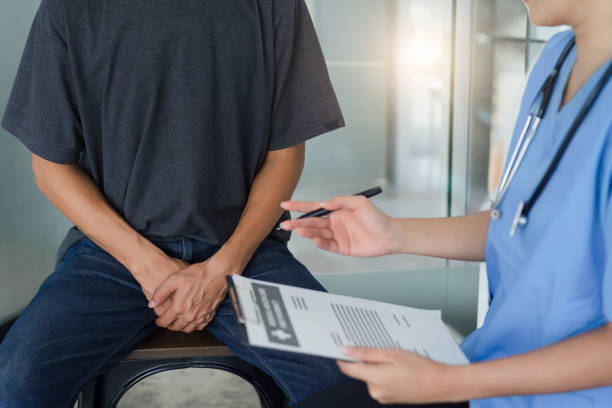
Pelvic Health & Pain Relief: Why Physiotherapy in Newmarket Isn’t Just for Muscles
When people think of physiotherapy in Newmarket, they often picture recovery from sports injuries, back pain, or post-surgery rehab. But what if we told you that physiotherapy goes far beyond just muscles and joints? If you’ve been dealing with pelvic pain, incontinence, or discomfort that doctors can’t quite pinpoint, a pelvic health physiotherapist might be the missing piece in your wellness journey.
At PhysioChiroWellness, we believe in treating the whole body—and that includes the often-overlooked pelvic floor. Whether you’re a new mom struggling with postpartum recovery, an athlete experiencing unexplained hip pain, or someone battling chronic pelvic discomfort, specialized physiotherapy in Newmarket can help you regain control, strength, and confidence.
Understanding Pelvic Health: More Than Just a “Women’s Issue”
Pelvic health affects everyone—men, women, and even athletes. Yet, many suffer in silence because they assume their symptoms are just “normal” or something they have to live with. The truth? Pelvic dysfunction can lead to:
- Chronic pelvic pain
- Urinary or fecal incontinence
- Pain during intercourse
- Lower back and hip discomfort
- Postpartum recovery struggles
The pelvic floor is a complex network of muscles, ligaments, and nerves that support your bladder, bowels, and reproductive organs. When these muscles are too tight, weak, or imbalanced, they can cause a cascade of issues. That’s where pelvic floor physiotherapy in Newmarket comes in.
How Physiotherapy in Newmarket Can Help Pelvic Pain
Unlike general physiotherapy, pelvic floor therapy involves a more specialized approach. At PhysioChiroWellness, our trained therapists use evidence-based techniques to assess and treat pelvic dysfunction. Here’s what you can expect:
1. Personalized Assessment & Internal Exams (If Needed)
Many people are surprised to learn that pelvic floor physiotherapy may include an internal muscle assessment—but don’t worry, it’s always consensual and conducted with utmost professionalism. This helps identify muscle tightness, weakness, or coordination issues that external exams can’t detect.
2. Tailored Exercise Programs
Just like any other muscle group, the pelvic floor needs the right kind of exercise. Kegels aren’t always the answer—in fact, they can worsen symptoms if done incorrectly. Your therapist will design a program that may include:
- Relaxation techniques for overactive muscles
- Strengthening exercises for weak muscles
- Core stability and posture adjustments
3. Manual Therapy & Biofeedback
Hands-on techniques can release tension in tight pelvic muscles, while biofeedback helps you retrain proper muscle engagement. This is especially helpful for those recovering from childbirth or prostate surgery.
4. Lifestyle & Habit Modifications
Something as simple as how you sit, breathe, or even use the bathroom can impact pelvic health. Your therapist will guide you on ergonomic adjustments to prevent strain.
Who Benefits from Pelvic Floor Physiotherapy?
1. For Women
- Pregnancy & Postpartum Recovery – Childbirth can weaken or overstretch pelvic muscles, leading to incontinence or prolapse. Early intervention speeds up recovery.
- Endometriosis & Painful Periods – Pelvic physio can reduce cramping and improve mobility.
- Menopause-Related Changes – Hormonal shifts can weaken pelvic support, making therapy essential.
2. For Men
- Post-Prostate Surgery Recovery – Incontinence and erectile dysfunction are common but treatable with targeted therapy.
- Chronic Pelvic Pain Syndrome – Often misdiagnosed, this condition responds well to physio.
3. For Athletes
High-impact sports (running, weightlifting, cycling) can strain the pelvic floor, leading to pain or leakage. Strengthening and coordination exercises help prevent long-term damage.
Debunking Myths About Pelvic Health Physiotherapy
Myth: “Only older women need pelvic floor therapy.”
Fact: Pelvic issues can affect anyone at any age—even young athletes and men.
Myth: “Leaking urine after childbirth is normal.”
Fact: While common, it’s not something you have to accept. Therapy can restore function.
Myth: “Pelvic pain will go away on its own.”
Fact: Without treatment, muscle imbalances often worsen over time.
What Does the Research Say?
According to the Canadian Physiotherapy Association, pelvic floor rehabilitation has been shown to:
- Reduce urinary incontinence by up to 80% (CPA, 2022)
- Improve sexual function in 70% of patients with pelvic pain (Health Canada, 2021)
- Speed up postpartum recovery when started early
These findings reinforce that physiotherapy in Newmarket isn’t just about muscles—it’s about restoring quality of life.
FAQs About Pelvic Floor Physiotherapy in Newmarket
Q: Is pelvic floor therapy painful?
A: Not at all. Therapists use gentle techniques, and you’re always in control of your comfort level.
Q: How many sessions will I need?
A: It varies, but many patients see improvement in 4-8 sessions.
Q: Do I need a doctor’s referral?
A: No—you can book directly with a pelvic health physiotherapist.
Q: Can men benefit from pelvic floor therapy?
A: Absolutely. Men dealing with post-surgery issues or chronic pain see great results.
Take the First Step Toward Pelvic Wellness
If you’ve been dismissing pelvic discomfort as “just part of life,” it’s time to rethink that. At PhysioChiroWellness, we provide compassionate, expert-led physiotherapy in Newmarket to help you move freely, confidently, and without pain.