
Why Is Pelvic Floor Physiotherapy Essential For New Moms?
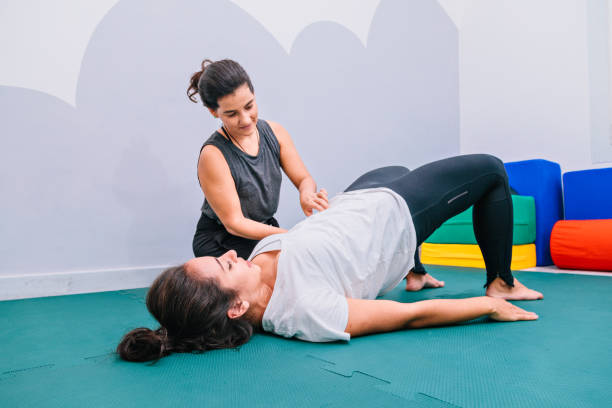
Why Is Pelvic Floor Physiotherapy Essential for New Moms?
Becoming a mom changes everything – your daily routine, your sleep schedule, and yes, your body. While some changes are temporary, others need a little extra help to recover. One area often overlooked is the pelvic floor. This group of muscles plays a major role in bladder control, core stability, and overall comfort, but pregnancy and childbirth can weaken it significantly.
If you’ve been searching for Physiotherapy in Vaughan to help with postpartum recovery, you’re not alone. Many new moms quietly deal with symptoms like leaks when laughing, pelvic heaviness, or lower back discomfort. The good news? Pelvic floor physiotherapy can make a huge difference — and it’s not just about strengthening muscles, but restoring your confidence and quality of life.
Understanding Your Pelvic Floor
Your pelvic floor is like a supportive hammock of muscles, ligaments, and tissues holding up your bladder, uterus, and rectum. During pregnancy, these muscles stretch to make room for your growing baby, and childbirth can strain or even injure them.
This can lead to:
- Urinary leakage when sneezing, coughing, or exercising
- Pelvic organ prolapse (a heavy, dragging feeling in the pelvis)
- Pain during intimacy
- Lower back or hip pain
According to the Government of Canada’s Public Health Agency, postpartum recovery is not just about resting — targeted rehabilitation, such as physiotherapy, plays a crucial role in preventing long-term complications.
Why New Moms in Vaughan Are Turning to Pelvic Floor Physiotherapy
If you’ve never heard of pelvic floor therapy before, you might assume it’s only for people with severe symptoms. In reality, it’s beneficial for almost every new mom.
Here’s why Physiotherapy in Vaughan is making such an impact for postpartum women:
- It helps prevent problems before they worsen
Early intervention can stop small leaks or mild discomfort from turning into chronic issues. - It’s completely personalized
A registered physiotherapist assesses your individual needs, from muscle tone to breathing patterns, and builds a plan that works for your lifestyle. - It’s non-invasive and empowering
No surgery. No long recovery. Just guided exercises and education that help you take control of your body again.
What Happens in a Pelvic Floor Physiotherapy Session?
The first session usually starts with a detailed discussion about your symptoms, delivery experience, and any concerns you have. Your therapist may assess how well your pelvic floor muscles contract and relax — sometimes using gentle internal techniques if you’re comfortable.
Treatment may include:
- Targeted exercises to strengthen or relax the pelvic floor
- Core rehabilitation to improve stability and posture
- Breathing techniques that reduce pelvic pressure
- Lifestyle adjustments for better bladder and bowel health
The approach is supportive, respectful, and always adapted to your comfort level.
How Long Until You See Results?
Every body heals differently, but many women notice improvements within 4–6 weeks of starting regular sessions. The key is consistency. Like training any muscle, your pelvic needs regular practice to regain strength and coordination.
Is Pelvic Floor Physiotherapy Covered in Vaughan?
In Ontario, physiotherapy may be partially covered under extended health benefits. The Ontario Ministry of Health notes that physiotherapy services are essential for recovery after childbirth, though direct OHIP coverage depends on certain eligibility criteria. Checking your benefits plan can help you understand your coverage options.
FAQs About Pelvic Floor Physiotherapy
1. Is it too late to start pelvic floor physiotherapy if I had my baby years ago?
Not at all. While starting soon after birth can help, women can benefit from pelvic floor therapy years — even decades — later.
2. Will pelvic floor exercises make my symptoms worse?
When done correctly under the guidance of a trained professional, they can significantly improve symptoms. Incorrect exercises, however, may delay progress — which is why professional guidance matters.
3. Can I do pelvic floor physiotherapy while pregnant?
Yes, and it can help prepare your body for childbirth while reducing the risk of postpartum complications.
4. Is it uncomfortable?
Most techniques are gentle, and your therapist will always check your comfort level before proceeding.
Taking the First Step Towards Recovery
Postpartum life comes with enough challenges — leaking when you laugh or feeling constant pelvic pressure shouldn’t be one of them. Pelvic floor physiotherapy isn’t just about physical recovery; it’s about feeling like yourself again, moving with confidence, and enjoying motherhood without discomfort holding you back.
If you’re looking for Physiotherapy in Vaughan that specializes in postpartum care, PhysioChiroWellness offers compassionate, evidence-based treatment to support your recovery journey. Our team understands the unique needs of new moms and works with you to build a personalized plan for long-lasting results.