
Healing Touch: Massage Therapy For Sprains & Strains
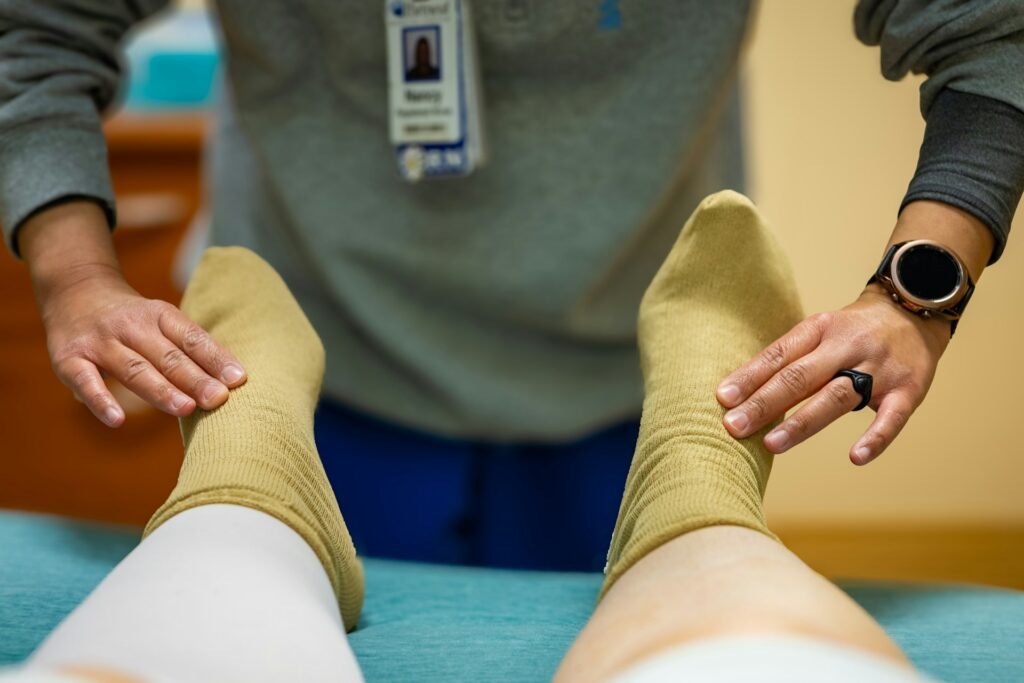
Healing Touch: Massage Therapy in Newmarket for Sprains and Strains
If you’ve ever rolled an ankle stepping off a curb or felt a sudden pull in your hamstring after a weekend hike, you know how sprains and strains can sideline life quickly. In Newmarket, many of us juggle family, work, and activity – and when a soft tissue injury hits, everything slows down. Massage Therapy in Newmarket can make a real difference – not just easing pain, but accelerating healing so you can get back to doing what you love.
At PhysioChiroWellness, we specialize in helping residents recover from sprains and strains by combining expert massage techniques with comfort and care. Whether it’s a minor muscle strain or a more painful ligament sprain, therapeutic massage helps ease the road to recovery, and you don’t have to wait weeks between sessions to notice a change.
Understanding Sprains vs. Strains—and Why Healing Matters
Sprains involve ligaments, the tough tissues that connect bones, while strains affect muscles or tendons. Both can trigger swelling, pain, spasm, and reduced function. A rolled ankle? That’s typically a sprain. A tugged hamstring in the gym? Probably a strain.
As your body starts its natural repair process—sending inflammatory cells and building collagen—you may feel tenderness, restricted mobility, and stiffness. Without proper support though, that healing process can leave behind excess scar tissue, stiffness, or even recurring injury—making swift and precise care essential.
How Massage Therapy in Newmarket Accelerates Healing and Recovery
Here’s how skilled massage therapy at PhysioChiroWellness supports sprains and strains by working with your body’s own recovery mechanisms:
Increases Blood Flow to Injured Tissues
After a sprain or strain, circulation to the area often becomes sluggish. Professional massage uses targeted pressure to enhance blood flow, flooding the injured zone with oxygen and nutrients while clearing away waste products like lactic acid. Improved circulation speeds tissue repair and reduces inflammation more effectively than rest alone.
Reduces Inflammation and Swelling
Early on, swelling helps protect a sprained or strained area—but excessive swelling can delay recovery. Techniques like lymphatic drainage massage, with gentle, rhythmic strokes, can speed up fluid movement and help reduce swelling naturally, without pain or heavy compression.
Relieves Muscle Tension and Spasms
A strained muscle often responds to injury by tightening—almost as if it’s bracing itself. This tension creates secondary pain and restricts movement. Massage relaxes these spasms, releases trigger points, and restores natural muscle tone, gradually easing the discomfort and increasing comfort.
Breaks Down Scar Tissue and Enhances Flexibility
As your tissue heals, scar tissue naturally forms—but if it remains unaddressed, it can stiffen the area and limit mobility. Skilled massage applies techniques like friction and deep tissue release to remodel scar tissue correctly, preventing adhesions and helping maintain flexibility long-term.
Improves Range of Motion and Function
As swelling and tension decrease, you’ll start to regain mobility. Massage helps keep tissues soft and pliable, allowing you to move more freely—so you can walk, reach, stretch, or step confidently without stiffness slowing you down.
What the Research Says: Evidence for Massage in Soft Tissue Recovery
Massage is widely used in sports rehab because research supports its impact:
- A systematic review of randomized trials found low-to-moderate evidence that massage reduces pain and improves function in shoulder pain and knee osteoarthritis, though benefits for low back pain and neck pain were less clear.
- Controlled studies show that massage after repetitive muscular contractions helps ease delayed onset muscle soreness (DOMS), particularly with rhythm-based sports massage.
- Evidence indicates that combined therapy—massage plus manual mobilisation—reduces pain perception by 45–51%, raises pressure pain threshold by 15–25%, and boosts tissue blood flow by 131–152%, compared to massage alone.
In plain terms: sports and therapeutic massage can speed healing, reduce pain, restore function, and support deeper repair—when tailored appropriately.
When Should Massage Be Added in Recovery Timeline?
If your injury is fresh (within 48–72 hours), massage may actually increase inflammation and worsen swelling. During this acute phase, protocols like RICE or POLICE (Protect, Optimal Loading, Ice, Compression, Elevation) are advised.
Once swelling stabilizes – usually after 3–5 days – massage therapy becomes a viable tool to support healing, reduce stiffness, and prevent scar tissue compaction. From that point, you can safely introduce gentle myofascial release, effleurage, trigger point therapy, or Swedish techniques tailored to your comfort.
Customized Massage Techniques We Use in Newmarket
Your massage session at PhysioChiroWellness will be fully customized:
- Lymphatic drainage to ease swelling early in recovery
- Swedish massage (effleurage, petrissage, friction) to promote circulation and relaxation
- Deep tissue or trigger point work for specific muscle or ligament tension
- Myofascial release to restore elasticity
- Scar tissue massage to remodel healing collagen and maintain motion
Each technique is selected based on your injury’s timing, sensitivity, and healing phase. We adjust pressure and style as your body responds.
Positive Outcomes: Local Newmarket Success Story
Take Juliana, an enthusiastic runner from Newmarket, who developed a calf strain after a trail run. She had sharp pain, limited mobility, and thought she’d lose weeks of training. Once her swelling subsided, she began massage sessions twice a week. Within ten days, pain reduced, stiffness eased, and she was back on gentle walks with less discomfort. By week three, she resumed light jogging, moving with confidence again.
FAQs About Massage Therapy in Newmarket for Sprains and Strains
Q: When is massage too early?
A: Avoid aggressive massage during the first 48–72 hours post-injury. Gentle care and supportive rest are key early on.
Q: Will massage hurt when the injury is still tender?
A: It shouldn’t. Therapists adjust pressure based on your pain levels—if anything is uncomfortable, you tell us, and we adapt.
Q: How many sessions does it take?
A: Minor sprains or strains may improve significantly in 1–3 targeted sessions. More complex cases can take 4–8 sessions, often alongside physiotherapy or exercise.
Q: Can regular massage help prevent re-injury?
A: Yes. Keeping muscles flexible, balanced, and well-hydrated reduces injury risk over time. Many patients book periodic maintenance sessions for this reason.
Q: Are there risks to massage?
A: Always choose a registered massage therapist who understands soft tissue injury. Overly aggressive or inappropriate timing can worsen a sprain. At PhysioChiroWellness, our therapists are trained to work within recovery protocols.
Schedule Your Healing Massage Therapy in Newmarket
Sprains and strains don’t have to slow you down for weeks, or months. With targeted massage therapy in Newmarket at PhysioChiroWellness, you’re not just easing pain – you’re accelerating healing, restoring mobility, and reducing future risk. Whether the injury is fresh or lingering, our approach ensures you receive safe, effective, and compassionate care.