
Massage vs. Medication For Pain Relief: What Works Best?
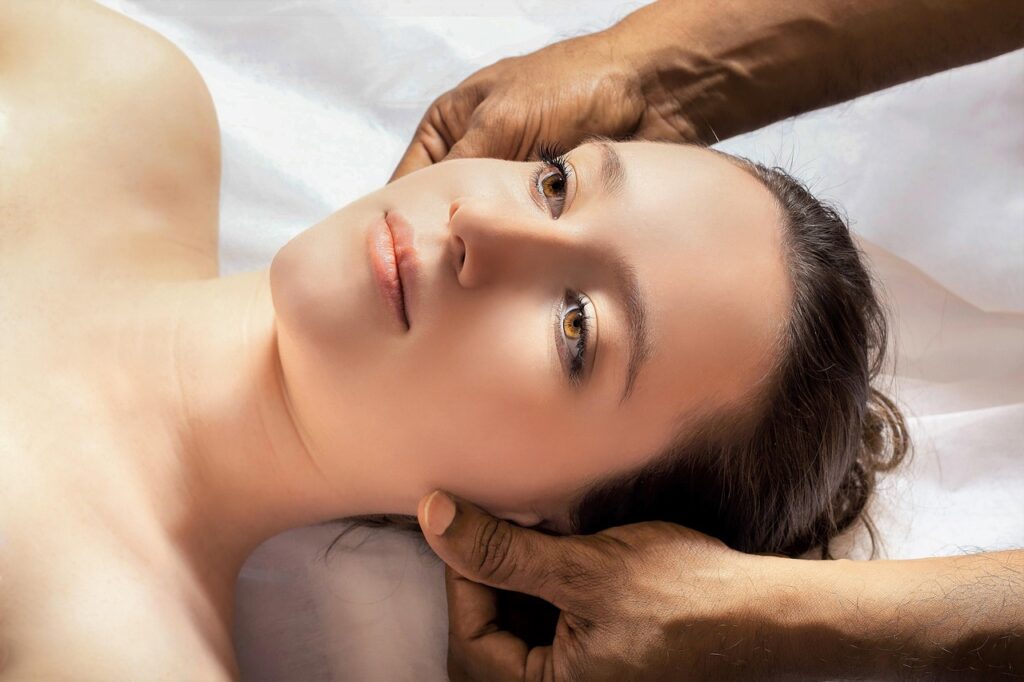
Massage Therapy in Newmarket vs. Medication for Pain Relief: What Works Best?
If you’ve ever reached for a pill at the first sign of pain, you’re in familiar territory. Whether it’s neck stiffness, lower back ache, or persistent joint discomfort, popping an NSAID or acetaminophen feels like the quickest fix. But is it the best approach? Many are discovering that Massage Therapy in Newmarket offers a powerful, drug‑free alternative, one that not only targets pain but addresses the deeper causes and supports long‑term well‑being.
At PhysioChiroWellness, we often discuss this choice with clients: “Should I take medication or try massage therapy first?” If you’d prefer a natural route, one backed by research and supported by real results, then this post is for you.
Why People Choose Medication for Pain Relief
Pain relief medications like NSAIDs (e.g., ibuprofen) and acetaminophen are widely recommended for mild to moderate discomfort. Health Canada acknowledges their use – for headaches, muscle strain, or pain following minor trauma – but warns about long‑term risks:
- NSAIDs increase risk of stomach ulcers, kidney issues, and heart concerns. Acetaminophen may cause liver damage when overused.
- Medications often provide only modest improvements, not lasting solutions.
- Dependence and side effects become concerns, especially with opioids or muscle relaxants, which are reserved for severe or chronic cases.
Often you get relief, but not necessarily long‑term restoration or tissue healing.
Why Massage Therapy in Newmarket Offers a Powerful Alternative
Unlike medications, Massage Therapy focuses on holistic pain relief. It addresses not just symptoms but underlying contributors like muscle tension, inflammation, stress, and poor circulation.
Here’s why it’s increasingly recommended:
- Biological mechanisms like enhanced blood flow, muscle relaxation, and modulation of pain signals. Massage stimulates nerve fibers that ‘close the pain gate’—essentially interrupting pain transmission.
- Mood and quality of life improvements: Clinical reviews show massage reduces anxiety, improves mood, and even boosts overall wellness more than active comparators.
- Pain relief backed by evidence: Systematic reviews like the Ottawa Panel conclude massage is safe and effective for subacute and chronic low back pain, especially when paired with exercise and education.
- Holistic integration in care plans: Recent guidelines advocate massage as a valid non‑pharmacologic option for pain, especially given its minimal side effects and opioid-reduction potential.
In short, massage works because it influences both body and mind, helping break the cycle of pain.
How Massage Stacks Up Against Medication: What You Need to Know
Short‑Term Pain Relief
- Medication: Offers quick relief, especially for acute pain, but often only partially effective and may require repeat dosing.
- Massage Therapy: Many clients feel reduced pain immediately following a session. Research supports meaningful pain reduction compared to no treatment or sham interventions. However, massage may offer shorter‑term relief in acute cases unless combined with other treatment.
Long‑Term Benefits and Functional Improvement
- Medication: Chronic use provides limited benefit and carries long‑term risks. NSAIDs may reduce symptoms temporarily but often don’t restore function in chronic pain sufferers.
- Massage Therapy: When combined with therapeutic exercise and patient education, massage supports functional recovery, improves mobility, and enhances mood. These outcomes persist beyond single sessions.
Side Effects and Risks
- Medication: Gastrointestinal, kidney, liver, or cardiovascular risks; muscle relaxants can cause sedation. Opioid dependency remains a serious concern.
- Massage Therapy: Side effects are generally mild, temporary soreness or fatigue, and serious complications are exceedingly rare when performed by registered therapists.
Overall Healthcare Trends
- Recent reviews show only 10% of non-surgical pain treatments, including medications and manual therapies, deliver meaningful relief beyond placebo. Yet, massage and exercise consistently emerge among those rare effective options.
- The AMTA continues to highlight massage’s role in reducing opioid dependency by providing safe integrative pain care.
A Side-by-Side Snapshot
| Factor | Medication | Massage Therapy |
|---|---|---|
| Speed of relief | Fast-acting, short lived | Often immediate, with lasting effects when combined with care |
| Function improvement | Limited | Shown to enhance flexibility, mobility, quality of life |
| Side effects | Risk of ulcers, kidney, liver damage, sedation, dependency | Minimal, mostly mild soreness |
| Mood/stress impact | Neutral at best | Proven reductions in anxiety, depression, and stress |
| Long-term sustainability | Not sustainable for chronic use | Supports healing and self-management |
Massage Techniques That Address Different Pain Needs
At PhysioChiroWellness, our massage therapy sessions in Newmarket include:
- Swedish massage: smooth strokes that reduce muscle tension and improve circulation, ideal for general soreness.
- Deep tissue or trigger point massage: for more stubborn muscle knots or layered tension.
- Myofascial release or structural integration: releases tension in connective tissue to promote more lasting relief.
- Combination care: integrating massage with therapeutic exercise and posture coaching enhances outcomes in conditions like arthritis, knee pain, back pain, headaches, and more.
This integrated, personalized approach often outperforms medication alone at reducing pain and improving daily function.
Real Life from Newmarket: Sarah’s Story
Marie is a 44-year-old Newmarket resident who suffered from chronic knee pain due to early osteoarthritis. She relied on NSAIDs daily but noticed they didn’t improve her mobility. Tried massage therapy instead. After six weekly Swedish and knee-specific sessions, her pain decreased significantly, stiffness eased, and she walked longer without discomfort. She also reported better sleep and reduced anxiety about her pain flaring—benefits she says far exceeded medication alone.
FAQ: Massage Therapy in Newmarket vs Medication
Q: Can massage completely replace medication?
A: Not always—and not immediately for severe pain. But for many with moderate chronic pain, massage is a safer, more empowering long-term option.
Q: Is massage safe for arthritis or injury?
A: Yes—except during inflammation flares or acute injuries. We tailor pressure and style based on your condition.
Q: How long until I see improvement?
A: Many notice some relief after a single session. Consistent improvements often occur over 4–6 sessions.
Q: Will insurance cover it?
A: Most Ontario extended health plans cover registered massage therapy—check your plan and submit receipts.
Q: Should massage be combined with other treatments?
A: Absolutely. The best results come from multi-modal care—massage plus exercise, posture habits, and targeted education.
Take the Next Step: Discover Effective Relief with Massage Therapy in Newmarket
If you’re tired of popping pills that just numb the pain, it may be time to explore a different path. Massage Therapy in Newmarket at PhysioChiroWellness offers natural, evidence-based pain care—improving mobility, mood, and function without the side effects.