
Wrist Wellness: Preventing Injuries with Massage Therapy for Wrist Pain Relief
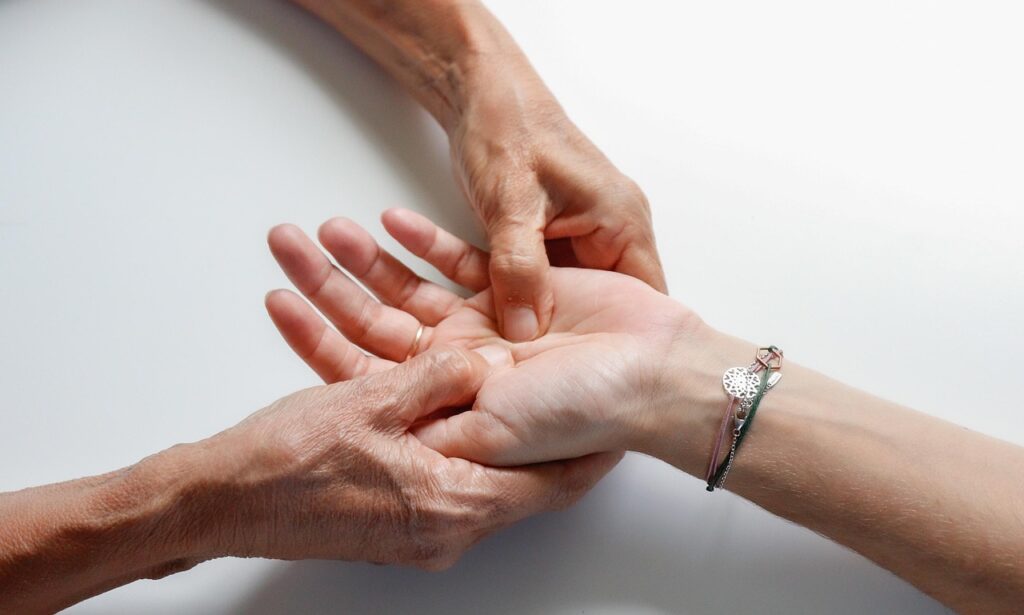
Wrist Wellness: Preventing Injuries with Massage Therapy in Vaughan for Wrist Pain Relief
If you’ve ever woken up with a stiff wrist or felt that nagging ache after a long day of typing, you know just how frustrating wrist pain can be. It creeps into everyday tasks—whether you’re lifting groceries, scrolling on your phone, or even just turning a doorknob. The good news? You don’t have to just “live with it.” Massage Therapy in Vaughan offers a proven, drug-free way to not only ease discomfort but also prevent future injuries before they start. At PhysioChiroWellness, we’ve helped countless clients in our community regain pain-free movement through personalized therapeutic techniques.
In this post, we’ll break down exactly why wrist pain happens, how professional massage therapy targets the root cause, and what you can do at home to keep your wrists strong and flexible. We’ll also tackle some of the most common questions people have, backed by insights from trusted healthcare sources. By the end, you’ll have a clear action plan—whether you’re dealing with occasional twinges or chronic stiffness.
Understanding Wrist Pain: What’s Really Causing Your Discomfort?
Your wrists are complex—small but mighty. They handle everything from delicate movements like writing to heavy-duty tasks like carrying bags. But that also makes them vulnerable. Maybe you’ve noticed pain flaring up after marathon work sessions at the computer, or perhaps it’s that dull ache you can’t quite pinpoint. Here’s what might be going on:
- Repetitive Strain Injuries (RSI): Think typing, texting, or even repetitive motions at work (like assembly line tasks). Over time, these movements strain tendons and muscles.
- Carpal Tunnel Syndrome: A pinched nerve in the wrist that causes tingling, numbness, and weakness—common among people who use keyboards or tools frequently.
- Tendonitis: Inflammation from overuse, often seen in athletes or manual laborers.
- Arthritis: Wear-and-tear or autoimmune-related joint inflammation that stiffens the wrist.
According to the Public Health Agency of Canada, musculoskeletal disorders (including wrist pain) are among the top reasons people miss work. The silver lining? Early intervention—like massage therapy in Vaughan—can stop minor irritation from turning into a major issue.
How Massage Therapy in Vaughan Brings Real, Lasting Relief to Aching Wrists
You might associate massage with spa days, but when it comes to wrist pain, it’s far more than just relaxation. Think of it as a targeted tune-up for your muscles and joints. Here’s the science behind why it works so well:
1. Boosts Blood Flow to Speed Up Healing
When your wrist muscles are tight or injured, circulation suffers. Picture a kinked garden hose—nutrients and oxygen can’t flow properly to the tissues that need them. Massage therapy acts like a gentle “un-kinking,” bringing fresh blood to the area. This flushes out inflammation-causing toxins and delivers the building blocks your body needs to repair itself.
2. Hunts Down Hidden Knots and Tension
Ever pressed on your forearm and found a spot that makes you wince? Those are trigger points—tight bundles of muscle fibers that can refer pain to your wrist. A skilled therapist at PhysioChiroWellness knows exactly how to locate and release them, often providing instant relief.
3. Takes the Pressure Off Nerves (Literally)
Nerve compression, like in carpal tunnel syndrome, can make your hand feel like it’s half-asleep. Research from the National Institute of Neurological Disorders and Stroke shows that massage can gently “create space” around irritated nerves, easing that pins-and-needles sensation.
4. Restores Your Natural Range of Motion
Stiff wrists can make simple things—like opening jars or waving hello—feel like a chore. Massage breaks up scar tissue and adhesions that limit movement, helping you regain smooth, pain-free motion.
Hands-On Help: The Best Massage Techniques for Wrist Pain
Not all massages are created equal. At our Vaughan clinic, we customize every session based on what your wrists need most. Here’s a closer look at the techniques we use:
Deep Tissue Massage: Getting to the Root of the Problem
If your pain feels deep and persistent, surface-level rubbing won’t cut it. Deep tissue massage targets the underlying layers of muscle and connective tissue where chronic tension hides. It might feel intense at first, but the payoff—long-term relief—is worth it.
Myofascial Release: Freeing Up Stuck Tissue
Fascia is the thin, web-like tissue wrapping your muscles. When it tightens up (from injury or overuse), it can pull on your wrist joints. Myofascial release uses slow, sustained pressure to “melt” these restrictions, like loosening a too-tight sweater sleeve.
Trigger Point Therapy: Zapping Those Painful Knots
Those tender spots in your forearm that radiate pain to your wrist? They’re called trigger points, and targeted pressure can shut them down fast. Many clients say it feels like flipping a switch—suddenly, their grip strength improves and the ache fades.
Lymphatic Drainage: Reducing Swelling After Injury
If your wrist is puffy or inflamed post-injury, gentle lymphatic massage encourages fluid drainage. It’s like giving your body’s “drainage system” a helping hand to speed up healing.
Keeping Your Wrists Happy: Pro Tips to Prevent Future Pain
While massage therapy works wonders, protecting your wrists between sessions is key. Try these habits to stay pain-free:
1. Break Up Repetitive Tasks Like a Pro
Set a timer to remind yourself to pause every 20–30 minutes. Try the “20-20-20 rule”: Every 20 minutes, take 20 seconds to stretch your wrists and shake out your hands. Your future self will thank you.
2. Strengthen What Supports Your Wrists
Weak forearm muscles put extra strain on your wrists. Simple exercises like wrist curls (with light weights or resistance bands) or squeezing a stress ball can build stability.
3. Ergonomics Matter More Than You Think
If you work at a desk, adjust your keyboard so your wrists stay straight—not bent upward. Consider a wrist rest or ergonomic mouse. Small tweaks add up to big relief.
4. Feed Your Joints the Good Stuff
Hydration keeps tissues supple, while foods rich in omega-3s (like salmon or walnuts) fight inflammation. Even a handful of almonds as a snack supports joint health.
Your Top Wrist Pain Questions, Answered
Q: “How soon will I feel better after starting massage therapy in Vaughan?”
A: Some people notice relief after just one session, especially if their pain is from recent strain. Chronic issues (like long-term carpal tunnel) may take 4–6 sessions for lasting change. We’ll give you a realistic timeline during your assessment.
Q: “Can massage really help carpal tunnel, or do I need surgery?”
A: Many cases improve significantly with conservative care! A 2018 study in the Journal of Bodywork and Movement Therapies found that massage reduced carpal tunnel symptoms by 50% in just 4 weeks. We often combine it with stretches and chiropractic adjustments for the best results.
Q: “I injured my wrist last week. Is massage safe right now?”
A: For fresh injuries (especially with swelling), we’ll likely wait until the acute phase passes. But once the initial inflammation calms down, gentle massage can prevent stiffness and scar tissue buildup.
Take the First Step Toward Pain-Free Wrists With Massage Therapy in Vaughan Today
Wrist pain doesn’t have to be your “new normal.” Whether you’re a busy parent, an office worker, or an athlete, PhysioChiroWellness in Vaughan is here to help you move with ease again. Our massage therapists combine expertise with genuine care—we listen to your concerns and tailor every session to your needs.