
Recovering From Strains: Massage Therapy For Tendonitis Relief
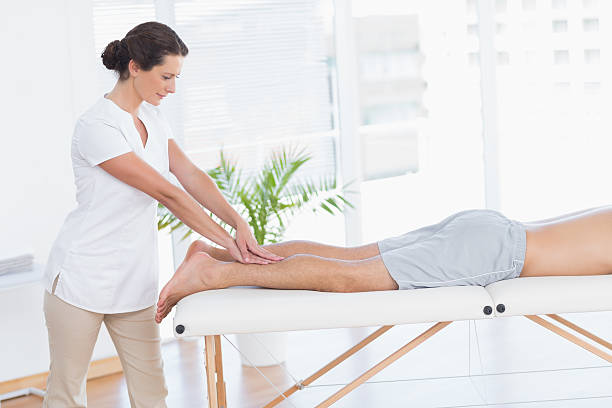
Recovering from Strains: Massage Therapy in Vaughan for Tendonitis Relief
If you’ve ever had tendonitis, you know it’s not just “a little soreness.” It’s that deep, nagging pain that makes simple things – pouring coffee, lifting your bag, or even typing – feel like a chore. For many people in Vaughan, tendonitis becomes more than just a physical discomfort; it can slow down work, hobbies, and even family time. That’s where Massage Therapy in Vaughan comes in – not as a luxury, but as a real, hands-on solution to help your body heal and get you moving again.
Understanding Tendonitis – More Than Just a Sports Injury
Tendonitis happens when the tendons, the strong bands of tissue connecting muscle to bone, become inflamed. While it’s often linked to athletes, you don’t need to be training for a marathon to get it. Repetitive movements from typing, gardening, lifting, or even playing with your kids can strain tendons over time.
Common areas affected include the shoulders, elbows, wrists, knees, and heels. Left untreated, it can turn into a long-term problem (called tendinosis) that’s much harder to reverse. That’s why early care is key.
According to the Government of Canada’s Public Health Agency, tendon injuries often respond best to a combination of rest, targeted exercise, and therapeutic treatments—like massage therapy—that help reduce inflammation and improve tissue function.
How Massage Therapy Helps Tendonitis Heal
Massage therapy is not just about feeling good – it’s a structured, evidence-based treatment that can help restore tendon health. When done by a skilled therapist, it:
- Reduces muscle tension around the injured area, allowing tendons to heal without constant strain.
- Improves blood circulation, delivering oxygen and nutrients your tissues need for repair.
- Breaks down scar tissue that can limit movement and cause lingering pain.
- Encourages lymphatic drainage, helping to reduce swelling.
Many Vaughan residents are surprised at how quickly they notice improvements when massage is added to their recovery plan—especially when it’s paired with gentle stretching and strengthening exercises.
Why Vaughan Residents Choose Massage Therapy for Tendonitis
People often turn to Massage Therapy in Vaughan because they want more than temporary pain relief from over-the-counter medications. They’re looking for natural, sustainable recovery that addresses the root cause—not just the symptoms.
Here’s what makes it a local favourite:
- Personalized care – No two cases of tendonitis are the same. A massage therapist can adapt pressure, technique, and treatment frequency to your exact needs.
- Drug-free approach – Many prefer to avoid relying solely on medications and instead use hands-on therapy to promote natural healing.
- Support for active lifestyles – Whether you’re a golfer, runner, or busy parent, staying mobile is essential. Massage therapy helps keep you moving without aggravating your injury.
What to Expect During a Massage for Tendonitis
If you’ve never tried massage therapy for tendonitis, you might picture a spa-like session. In reality, this is a clinical treatment—still relaxing, but focused on rehabilitation.
A registered massage therapist (RMT) will start by assessing your injury, discussing your daily activities, and identifying areas of tension or imbalance. Treatment may include:
- Deep tissue massage to release tight muscles and improve blood flow.
- Myofascial release to target connective tissue restrictions.
- Cross-fiber friction to help align healing tendon fibers and prevent scar tissue buildup.
Some sessions might feel a little intense—especially if you have a lot of tightness—but you should always feel comfortable communicating your limits with your therapist.
The Role of Self-Care in Recovery
Massage therapy is a powerful tool, but it works best when paired with the right self-care. Your therapist may suggest:
- Applying ice after activity to reduce inflammation.
- Gentle stretching to maintain flexibility.
- Ergonomic adjustments at work to avoid repetitive strain.
Health Canada’s injury prevention guidelines emphasize that combining professional treatment with lifestyle adjustments greatly improves recovery outcomes.
When to See a Professional
Mild tendonitis sometimes improves with rest, but if you’ve had symptoms for more than a week without improvement—or the pain is interfering with your daily life—it’s time to seek help. Early intervention not only speeds up healing but also lowers the risk of long-term damage.
At PhysioChiroWellness in Vaughan, our team works closely with you to create a recovery plan that fits your life, your goals, and your comfort level. We blend registered massage therapy with other physiotherapy and rehabilitation services when needed, ensuring you get the most effective path to healing.
FAQs
1. How many massage sessions will I need for tendonitis?
It varies. Some people feel relief after one or two sessions, while others benefit from several weeks of consistent treatment.
2. Is massage therapy safe for all types of tendonitis?
In most cases, yes—but it’s important to have an assessment first to rule out tears or other serious injuries.
3. Can I keep working out while receiving massage therapy for tendonitis?
Often yes, with modifications. Your therapist can guide you on safe movements during recovery.
Ready to Feel the Difference?
If tendonitis is holding you back, there’s no need to live with constant discomfort. At PhysioChiroWellness, our registered massage therapists provide targeted treatments to help you recover faster and regain your active lifestyle.