
How Sports Massage Therapy Boosts Recovery And Prevents Injury
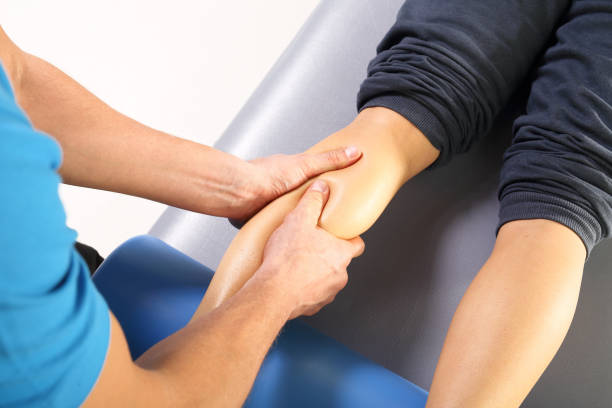
Fueling Performance: How Massage Therapy in Vaughan Boosts Recovery and Prevents Injury
If you’ve ever finished a hard run and woken up the next morning barely able to make it down the stairs, you know recovery isn’t just a buzzword, it’s essential. Soreness, stiffness, even that stubborn knot in your shoulder all remind you that your body needs care. Many active people in Vaughan are discovering the value of massage therapy in Vaughan as more than pampering. For athletes and weekend warriors alike, sports massage therapy is becoming a trusted way to bounce back faster, train smarter, and avoid those nagging injuries that can put you on the sidelines.
Why Recovery Matters More Than You Think
Training is only half of the story. We build strength when we push our limits, but the gains happen during recovery. If that downtime isn’t supported, the progress slows—or worse, pain shows up. Have you ever skipped a cooldown, then regretted it two days later when your muscles protested every movement? You’re not alone.
Massage therapy helps bridge the gap. It works with your body’s natural healing systems to reduce stiffness, increase circulation, and promote real recovery. That’s why more and more locals are choosing it as part of their fitness routine.
The Role of Massage Therapy in Vaughan
At PhysioChiroWellness in Vaughan, massage therapy doesn’t start with generic techniques. It starts with you—your sport, your training schedule, and your goals. A hockey player may need deep work on overused shoulders, while a yoga teacher might need gentler release in the hips and lower back.
What ties it together is a simple intention: help your body move better and recover faster so you can keep doing what you love. Clients often share that after sessions, they not only feel looser but also notice better sleep, steadier energy, and more confidence heading into workouts.
How Sports Massage Therapy Fuels Recovery
1. Boosting Circulation
Think of blood flow as your body’s delivery service. After training, muscles develop tiny tears. Those tears are normal— it’s how muscles rebuild stronger. Massage stimulates circulation, bringing oxygen and nutrients to those damaged fibers and carrying away waste products like lactic acid. That’s why even one session can help you feel lighter and less sore.
2. Easing Soreness and Stiff Joints
You know that creeping soreness that sets in a day or two after a new workout? That’s DOMS, and it’s a familiar foe for active people. Massage therapy helps loosen tissue, which reduces the intensity of soreness and keeps you moving without that tight, achy feeling hanging over you.
3. Enhancing Flexibility
Picture a runner whose hamstrings feel like guitar strings. Not only does that discomfort limit performance, it also increases strain on the lower back and knees. Massage helps lengthen and relax those tight muscles, restoring healthy range of motion. Small improvements like this can make a huge difference in stride, form, and long‑term comfort.
4. Supporting Mental Recovery
Physical recovery matters, but the mental reset matters just as much. Training is stressful—on the body and the mind. Sports massage therapy forces a pause in the chaos. For 30 or 60 minutes, you focus on breathing, letting go, and allowing someone else to take care of your body. Many patients leave the clinic not only moving better but also thinking clearer.
Preventing Injuries Before They Start
Most injuries aren’t freak accidents. They build up subtly from overtraining, poor form, or ignoring warning signs. Sports massage can be that early detection system.
- Spotting tightness before it becomes a strain: Therapists notice when certain muscles feel unusually tense, alerting you before trouble begins.
- Breaking down scar tissue: Old injuries often leave behind adhesions that limit motion. Working through those helps restore freedom.
- Facilitating healthier movement: Looser muscles make it easier to keep good form, reducing how much strain you put on joints during training.
When athletes weave massage into their schedule—not just as a reaction to pain, but as preventative care—they often train longer and bounce back more reliably.
Vaughan Athlete Stories
One Vaughan runner preparing for her first half‑marathon hesitated to add massage therapy. After her first few sessions, she told our team she wished she had started sooner. Her legs felt less heavy, her recovery days shortened, and she crossed the finish line with a smile instead of a limp.
Another patient, a local hockey dad juggling practices and his own workouts, noticed nagging shoulder pain disrupt his lifts. Through a combination of massage therapy, targeted exercises, and simple posture tweaks, he managed to return to the gym without discomfort. These everyday wins remind us that massage therapy isn’t only for professionals—it’s for anyone who wants their body to keep moving smoothly.
Evidence Supporting Sports Massage Therapy
The Canadian Centre for Occupational Health and Safety points out that musculoskeletal strain is one of the leading reasons people lose productivity and mobility. The Public Health Agency of Canada emphasizes that strategies like active recovery and consistent physical care reduce long‑term risks. Massage therapy fits seamlessly into this evidence‑based approach, supporting muscle health and active lifestyles.
FAQs About Sports Massage Therapy
Is sports massage painful?
It can feel intense, especially in tight spots, but it should never be unbearable. The therapist works with your comfort level.
How often should I book massage therapy in Vaughan?
It depends on your training goals. Competitive athletes often come weekly. Casual athletes might benefit from once every 3 to 4 weeks.
Does massage replace stretching?
No. Stretching and massage work together. Massage loosens and hydrates muscles, making stretching more effective.
Can it help with old injuries?
Yes. Massage can reduce stiffness, improve movement, and support long‑term recovery, even with older scar tissue.
What about insurance coverage?
Most extended health plans in Ontario cover registered massage therapy. The PhysioChiroWellness team can help you review your options.
Integrated Care in Vaughan
Massage therapy is powerful, but at PhysioChiroWellness it’s also collaborative. Our Vaughan clinic offers physiotherapy, chiropractic care, acupuncture, and naturopathy too. That means a runner with knee issues might receive massage for tight quads, chiropractic support for alignment, and physiotherapy for strengthening. This integrated model ensures small problems don’t snowball into bigger issues.
Ready to Make Recovery Part of Your Routine?
It’s easy to focus on pushing harder in training and forget that recovery is where growth lives. Massage therapy gives your body the tools it needs to heal, adapt, and keep building resilience.
At PhysioChiroWellness in Vaughan, every athlete—elite or casual—gets care built around their story. Sessions are tailored, consistent, and part of a bigger strategy to keep you active for years to come.
References
- Canadian Centre for Occupational Health and Safety. Musculoskeletal Disorders — https://www.ccohs.ca
- Public Health Agency of Canada. Physical Activity and Your Health — https://www.canada.ca