
Targeted Pain Relief: Massage Therapy For Joint And Muscle Recovery
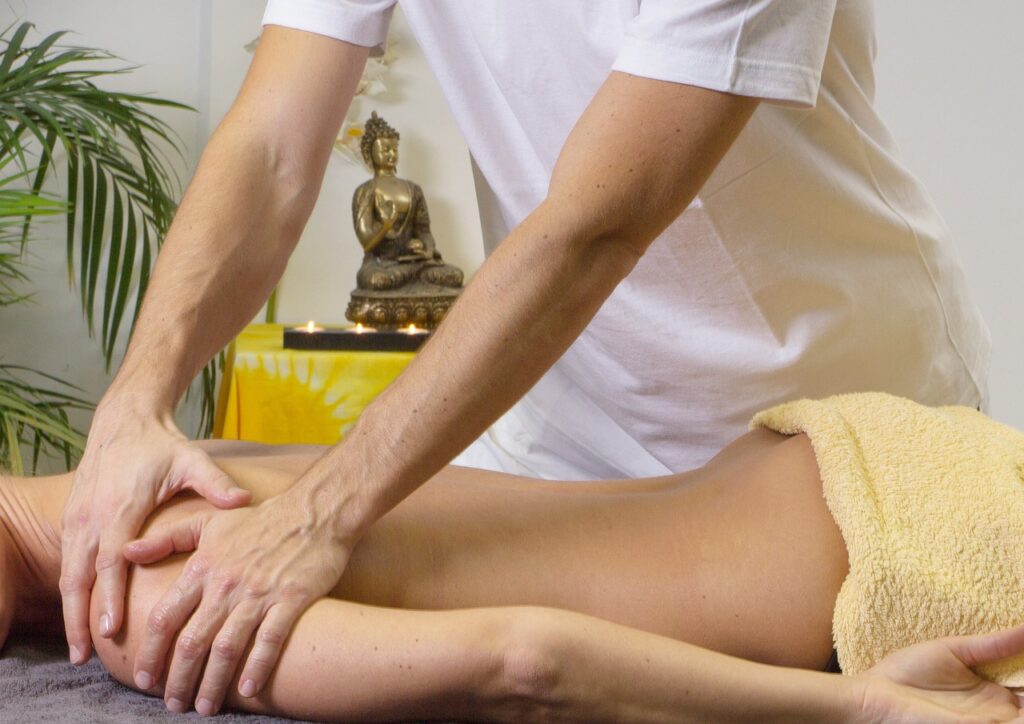
Targeted Pain Relief: Massage Therapy for Joint and Muscle Recovery in Newmarket
Ever wake up with a sore neck that just won’t quit? Or maybe you’ve pulled something during a workout, and days later it still aches? You’re not alone. Whether you’re dealing with chronic pain, recovering from an injury, or just feeling worn out, your body is probably trying to get your attention. And if you’re living in Newmarket, there’s good news: massage therapy in Newmarket isn’t just about relaxing music and scented oils (though that’s nice too). It’s a powerful, targeted approach to pain relief, muscle recovery, and joint support that helps you move through life with less discomfort—and more ease.
At PhysioChiroWellness, we’ve seen people walk in stiff, sore, or downright fed up with nagging pain, only to leave their massage sessions with better range of motion, a looser body, and a little more lightness in their step. Let’s talk about how massage therapy works to support real recovery—and why it’s more than just a treat.
Why Massage Therapy in Newmarket Is About More Than Just “Feeling Good”
Sure, massage feels good. But behind the relaxation lies something even more valuable—therapeutic results.
When your joints and muscles are overworked, stressed, or healing from an injury, the tissues tighten up. Blood flow slows, inflammation lingers, and your range of motion suffers. Left untreated, this can create patterns of tension that lead to chronic pain or even compensation injuries (where one part of your body overworks to protect another).
Registered massage therapists (RMTs) are trained to identify those trouble spots and apply targeted pressure, movement, and release techniques that:
- Increase blood flow
- Reduce inflammation
- Break up scar tissue
- Improve flexibility
- And support the body’s natural healing process
In other words, massage isn’t just reactive care—it’s proactive recovery.
The Science Behind It: What Your Body Actually Does During Massage
When you receive therapeutic massage, your muscles do more than relax. Your nervous system shifts out of “fight or flight” and into “rest and digest.” This parasympathetic response allows your body to:
- Reduce cortisol (the stress hormone)
- Release endorphins (natural painkillers)
- Deliver oxygen-rich blood to tight, healing, or inflamed areas
According to research published by the Canadian Agency for Drugs and Technologies in Health (CADTH), massage therapy has shown effectiveness in reducing musculoskeletal pain, especially in people recovering from injury or managing chronic tension.
So yes—those benefits you feel post-massage are backed by science, not just good vibes.
Muscle Recovery and Joint Health: How They Work Together
We often think of muscle soreness and joint stiffness as two separate problems, but they’re deeply connected. When a muscle becomes tight or inflamed, it pulls on the joint it’s attached to. That joint loses flexibility, which means your range of motion decreases—and your risk of injury increases.
Massage therapy works to release tension in the muscle so that the joint can move properly again. For example:
- Tight hamstrings can strain your knees
- Stiff hip muscles can lead to low back pain
- Shoulder tension can limit your neck’s mobility
That’s why seeing a trained RMT in Newmarket can be a game changer. They’ll tailor your treatment to target exactly what’s going on—based on how your body moves, not just where it hurts.
Who Benefits from Massage Therapy in Newmarket?
Spoiler: it’s not just athletes or people recovering from surgery. Massage therapy supports recovery and mobility for:
- Desk workers with neck and shoulder stiffness
- Active parents lifting kids or chasing toddlers
- Seniors managing arthritis or joint inflammation
- Runners and gym-goers with repetitive strain
- Anyone dealing with postural imbalances or everyday tension
Even if you’re not in pain now, regular massage can help prevent injuries, improve circulation, and keep your body feeling agile as you age.
Common FAQs (Because We Know You’re Wondering)
Do I need to be in pain to see a massage therapist?
Not at all. Many people use massage as a preventive tool or simply to keep their body moving well.
How often should I book sessions?
That depends on your body and your goals. For recovery or chronic pain, weekly sessions may help. For maintenance, once or twice a month is a great start.
Is massage therapy covered by insurance in Ontario?
Yes! Most extended health insurance plans in Ontario cover visits to Registered Massage Therapists. At PhysioChiroWellness, we offer direct billing where available.
Do I need a referral?
No referral is needed to see an RMT, though your insurance provider might require one for reimbursement. Always check with your plan provider.
What Sets PhysioChiroWellness Apart
We know there’s no one-size-fits-all when it comes to recovery. At PhysioChiroWellness in Newmarket, our RMTs work closely with our chiropractors, physiotherapists, and naturopaths to make sure your treatment is holistic and personalized.
Whether you’ve got shoulder pain that’s been lingering for months or are just feeling tight from work or workouts, we’ll listen to your body—and help it heal.
We take the time to get to know your story. Then we work with your body—not against it—to find relief that lasts beyond the massage table.
Ready to Loosen Up, Feel Better, and Move With Ease?
If pain or tightness is getting in the way of your day-to-day—or you just know your body needs some TLC—it might be time to try massage therapy in Newmarket at PhysioChiroWellness.