
Alleviating Discomfort: The Role Of Massage Therapy For Abdominal Pain
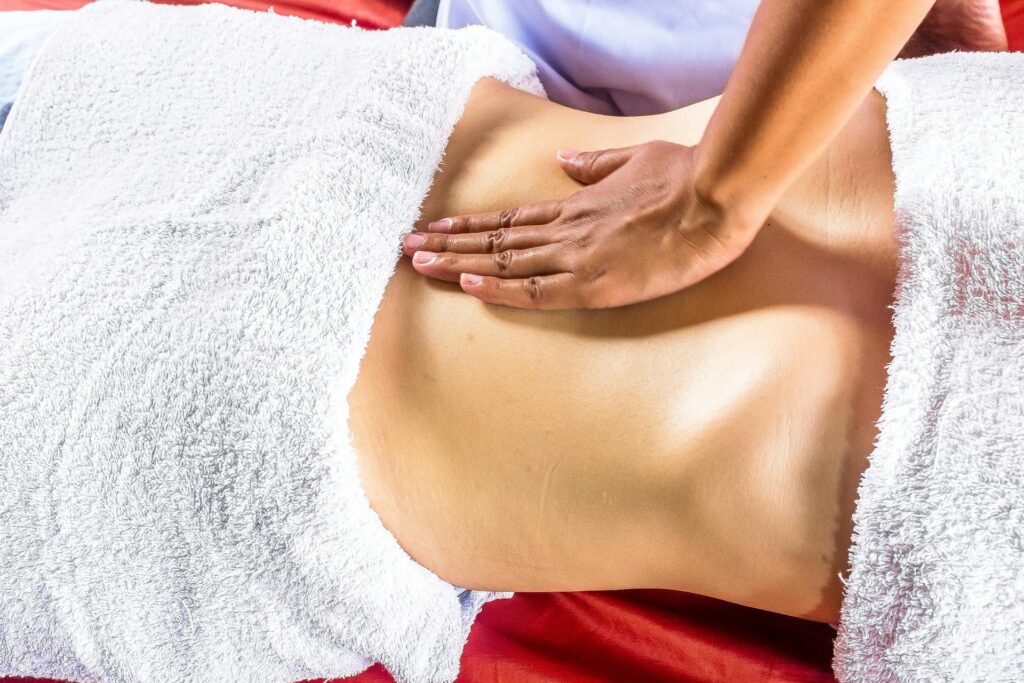
Alleviating Discomfort: The Role of Massage Therapy for Abdominal Pain in Newmarket
Abdominal pain can be one of the most frustrating types of discomfort—hard to pinpoint, difficult to explain, and often brushed off as “just stress” or “something you ate.” But for many people in Newmarket, abdominal discomfort isn’t just occasional—it’s persistent, interrupting daily life and diminishing well-being. That’s where massage therapy in Newmarket is stepping up to provide gentle, effective relief.
At PhysioChiroWellness, we’ve seen firsthand how targeted abdominal massage can help calm spasms, ease tension, support digestion, and give people back a sense of control over their bodies. It’s a deeply therapeutic experience that doesn’t just soothe the body—it helps regulate the nervous system, reduce inflammation, and even improve core function.
Whether you’re dealing with digestive issues, menstrual cramps, post-surgical tension, or chronic bloating, massage therapy might be a valuable piece of your healing journey.
Understanding Abdominal Pain: It’s Not All in Your Head
Abdominal pain can have many underlying causes, including:
- Irritable bowel syndrome (IBS)
- Constipation or sluggish digestion
- Menstrual cramps or endometriosis
- Scar tissue from surgery or C-sections
- Stress-related tension and anxiety
- Inflammation or organ sensitivity
Many of these conditions involve muscular tension and nerve irritation in the abdominal region. That’s why mechanical interventions—like massage therapy—can make such a difference. When performed by trained professionals, abdominal massage improves circulation, eases muscle spasms, and stimulates natural motility in the gut.
How Massage Therapy in Newmarket Helps Relieve Abdominal Pain
Massage therapy is not just for backs and shoulders. Your abdominal area is full of muscles, connective tissue, and vital organs—all of which benefit from skilled, gentle bodywork.
Here’s how massage therapy in Newmarket supports abdominal comfort:
1. Reduces Muscle Tension and Spasms
Just like your neck or lower back, the muscles in your abdominal wall can become tense, inflamed, or even develop trigger points. This tension can restrict organ movement and contribute to discomfort. Soft tissue massage helps release these restrictions, leading to:
- Less cramping and tightness
- Improved postural alignment
- A more relaxed core
2. Stimulates Digestive Function
According to the Public Health Agency of Canada, over 5 million Canadians experience symptoms of irritable bowel syndrome, constipation, and functional GI disorders. Gentle abdominal massage improves peristalsis—the rhythmic contractions that move food through your digestive tract.
Regular treatment may support:
- Bowel regularity
- Reduced bloating and gas
- Relief from abdominal fullness and discomfort
This is particularly useful for individuals who have a sedentary lifestyle or who experience sluggish digestion.
3. Enhances Lymphatic and Blood Circulation
The abdominal cavity plays a big role in immune and detox functions. Abdominal massage boosts lymphatic drainage, reducing fluid retention and improving the body’s ability to flush out toxins.
Better circulation also means:
- Increased oxygen to tissues
- Faster healing of scar tissue
- Reduced inflammation
4. Calms the Nervous System
The gut and the brain are closely connected—a relationship often called the gut-brain axis. When you’re under stress, your abdominal area feels it first. That’s why anxiety and digestive issues often go hand-in-hand.
Massage therapy activates the parasympathetic nervous system, helping shift the body into a state of rest and recovery. The result? Less tightness, less discomfort, and more ease in both body and mind.
Who Can Benefit from Abdominal Massage Therapy?
At PhysioChiroWellness, we regularly help clients in Newmarket find relief from a wide range of abdominal conditions. Massage therapy may benefit those struggling with:
- IBS and chronic bloating
- Constipation and incomplete elimination
- Endometriosis-related abdominal pain
- Post-surgical scarring (including abdominal surgeries and C-sections)
- Pelvic floor tension
- Functional abdominal pain syndrome (FAPS)
- Postural dysfunction impacting the abdominal wall
And even if you don’t have a formal diagnosis, general abdominal tension can respond extremely well to manual therapy.
A Local Client’s Story: From Discomfort to Relief
Laura, a 39-year-old teacher from Newmarket, came to PhysioChiroWellness after years of abdominal discomfort, bloating, and pain during her menstrual cycle. Though she tried medication and dietary changes, nothing brought lasting relief.
Our massage therapist created a custom plan combining abdominal massage, pelvic release techniques, and stress-reducing breathwork. After just a few weeks, Laura reported less bloating, more regular digestion, and a dramatic reduction in cramping.
Her experience is far from unique. Many clients find that just a few sessions can shift their relationship with their bodies—and their pain.
What to Expect During Abdominal Massage Therapy in Newmarket
Your first session at PhysioChiroWellness is all about comfort, consent, and education. Here’s what typically happens:
- Intake Discussion
We’ll ask about your symptoms, digestion, stress levels, and health history. - Assessment
Your therapist may check for tension or restrictions in your abdomen, lower back, or hips. - Treatment
Gentle hands-on work is performed on your abdomen, using soft, circular motions. You’re always draped appropriately and guided through the process with respect and care. - Follow-Up
You may be given self-care strategies, breathing exercises, or stretching techniques to continue at home.
There’s no pain—just steady, soothing pressure and the space to let go.
Is Abdominal Massage Safe?
Yes, when done by a trained Registered Massage Therapist (RMT), abdominal massage is safe and effective for most people. However, it may not be suitable in cases of:
- Active infections
- Recent surgeries or open wounds
- Certain vascular or abdominal conditions
Your therapist will always assess for contraindications and adapt the session to your individual needs.
Scientific Backing for Abdominal Massage Therapy
Massage therapy is backed by strong evidence. According to Health Canada, manual therapy is an important complementary approach for managing chronic pain and functional disorders.
Clinical studies have found that abdominal massage improves bowel function in patients with chronic constipation, reduces symptoms in IBS, and supports recovery post-abdominal surgery by decreasing pain and enhancing motility.
The research aligns with what thousands of clients already know: this works.
Book Your Abdominal Massage Therapy Consultation in Newmarket
If abdominal pain or tension has been holding you back, you don’t have to live with it. At PhysioChiroWellness, our experienced team offers evidence-based massage therapy in Newmarket—with a special focus on comfort, compassion, and personalized care.
FAQs About Massage Therapy for Abdominal Pain in Newmarket
1. Is abdominal massage therapy painful?
Not at all. Sessions use gentle pressure. Most clients find them deeply relaxing and soothing.
2. How many sessions will I need?
It depends on your condition and goals. Many people see benefits within 3–5 sessions.
3. Will I need to undress completely?
No. You’ll remain draped and only the abdominal area will be uncovered during treatment.
4. Can massage therapy help with post-C-section discomfort?
Yes. Massage helps break down scar tissue and restore movement in the abdominal wall post-surgery.
5. Is massage therapy covered by insurance?
Most extended health plans in Ontario cover massage therapy when provided by an RMT. Be sure to check with your provider.