
Gut Health Support: Massage Therapy For Digestive Disorders
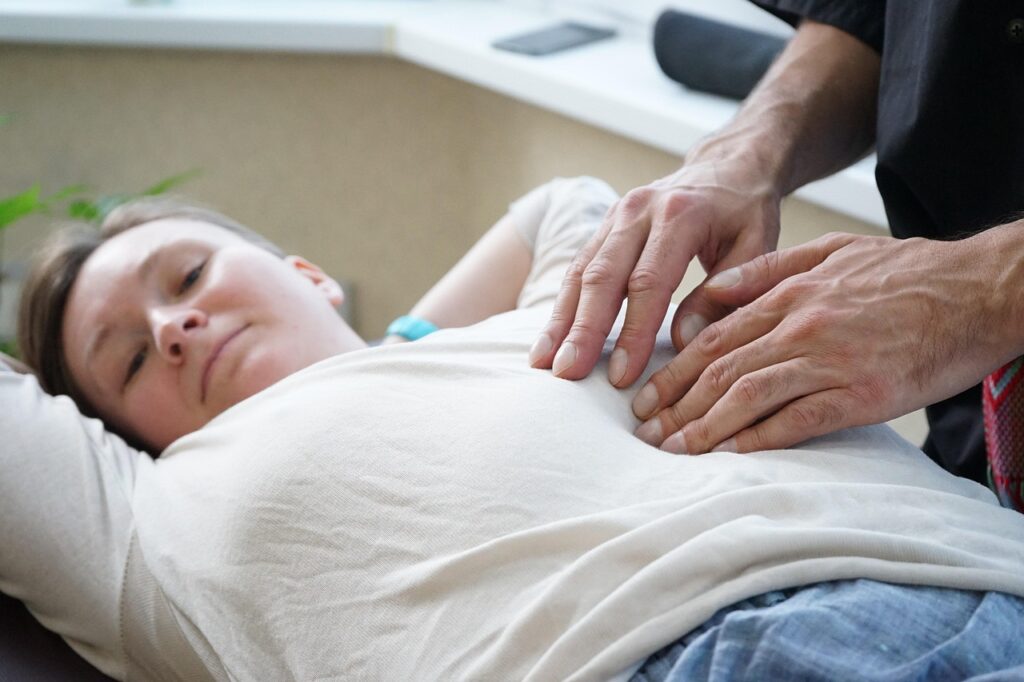
Gut Health Support: How Massage Therapy in Newmarket Can Ease Digestive Woes
You know that uncomfortable bloating after meals that makes you loosen your belt a notch? Or the cramps that hit at the worst possible moments? If you’ve tried every probiotic and elimination diet without lasting relief, you might be missing a key piece of the puzzle: massage therapy in Newmarket specifically designed for digestive support.
Most people don’t connect massage with gut health until they experience it firsthand. I’ll never forget Sarah, a Newmarket teacher who came to us after years of battling IBS. “I thought massage was just for sore backs,” she admitted, “but after three sessions focused on abdominal work, I finally stopped carrying Tums in every purse.“
Why Your Gut Might Need Hands-On Help
Your digestive system isn’t just about what you eat—it’s about how everything moves through you. When stress, scar tissue, or poor posture disrupt this delicate process:
✔ Food moves too slowly (hello, bloating)
✔ Nerves misfire (causing cramps and discomfort)
✔ Toxins recirculate instead of being eliminated
Research from the Canadian Digestive Health Foundation shows that manual therapies can improve IBS symptoms by 40-60% when combined with other treatments. That’s because therapeutic massage in Newmarket doesn’t just relax muscles—it directly influences:
- Peristalsis (those wave-like gut contractions)
- Blood flow to digestive organs
- The vagus nerve (your gut-brain connection)
3 Massage Techniques That Actually Help Your Gut
1. Abdominal Massage: The Gentle Reset
Unlike deep tissue work, abdominal massage uses feather-light pressure in clockwise circles to:
- Encourage proper intestinal movement
- Reduce painful gas buildup
- Break up mild adhesions from past surgeries or inflammation
What to expect: Your therapist will start by having you breathe deeply to relax the diaphragm, then use specialized strokes that feel surprisingly comforting rather than intrusive.
2. Visceral Manipulation: The Deep Fix
For chronic issues like constipation or post-surgical scarring, trained therapists use precise, subtle movements to:
- Release tension between organs
- Improve mobility of the stomach and intestines
- Restore natural rhythm to digestive tissues
A 2022 study in BMC Gastroenterology found visceral techniques reduced bloating in 73% of participants with functional dyspepsia.
3. Paravertebral Work: The Backdoor Approach
Since nerves from your spine control digestive function, massaging the lower thoracic area can:
- Calm overactive gut nerves
- Improve communication between brain and gut
- Reduce “nervous stomach” reactions
Who Benefits Most? (Probably You If…)
These techniques aren’t just for diagnosed conditions. Consider booking if you regularly experience:
- Bloating that makes you change outfits by afternoon
- Constipation or diarrhea without clear triggers
- Discomfort that worsens with stress
- Post-meal heaviness that lasts hours
- Recovery from abdominal surgeries (C-sections, appendectomies, etc.)
Even Newmarket athletes use gut-focused massage—one marathon runner told us it eliminated his race-day bathroom emergencies.
What a Typical Massage Therapy Session Looks Like in Newmarket
If you’re nervous about abdominal work (most first-timers are), here’s exactly what happens at PhysioChiroWellness:
- Comprehensive intake – We’ll ask about your symptoms, diet, and stress levels
- Diaphragm release – Often done through the ribs to start relaxing the core
- Gentle abdominal work – Always at your comfort level with clear communication
- Supporting areas – Lower back, hips, or neck depending on your needs
- Aftercare plan – Simple stretches or breathing exercises to maintain benefits
“After my C-section, I assumed constant bloating was my new normal,” shared one Newmarket mom. “Three sessions changed everything—I wish I’d known sooner.”
Science-Backed Benefits You Can Expect
Unlike temporary fixes like peppermint tea, massage offers cumulative improvements:
| Timeframe | Typical Changes |
|---|---|
| After 1 session | Reduced bloating, easier bowel movements |
| 3-5 sessions | More consistent digestion, less discomfort |
| Ongoing care | Better stress resilience, fewer flare-ups |
Your Top Concerns About Massage Therapy in Newmarket — Addressed
“Will it hurt?”
Abdominal work should never be painful. Therapists use pressure similar to testing a ripe avocado—firm enough to assess but never forceful.
“How soon will I see results?”
Some notice changes immediately; others need 2-3 sessions as the nervous system recalibrates.
“Can I eat before?”
Light meal 1-2 hours prior is ideal. We avoid working directly after large meals.
Why DIY Isn’t Enough
While YouTube tutorials show belly massage, professionals:
- Know exactly how to navigate organs safely
- Combine techniques you can’t do yourself
- Spot compensatory patterns in your posture/movement
As one client joked after her session: “Turns out rubbing my stomach while watching Netflix wasn’t cutting it.“
Ready to Try a Different Massage Therapy Approach in Newmarket?
If you’re tired of guessing what’s upsetting your stomach today, massage therapy in Newmarket offers a drug-free path to better digestion. Click here to book your assessment at PhysioChiroWellness and finally give your gut the attention it deserves.