
Why Is Manual Therapy So Effective In Physiotherapy?
Why Is Manual Therapy So Effective in Physiotherapy? A Newmarket Perspective
If you’ve ever had a skilled physiotherapist work their magic with their hands—gently easing out a stubborn knot, restoring movement to a stiff joint, or melting away tension you didn’t even know you had—you understand why manual therapy feels like a game-changer. But what makes this hands-on approach so powerful? As practitioners offering physiotherapy in Newmarket, we see daily how manual therapy accelerates healing in ways machines and exercises alone can’t match.
At PhysioChiroWellness, manual therapy isn’t just an add-on—it’s the foundation of how we help patients recover from injuries, manage chronic pain, and regain mobility. Let’s break down why this ancient healing art remains one of the most effective tools in modern physiotherapy.
What Exactly Is Manual Therapy?
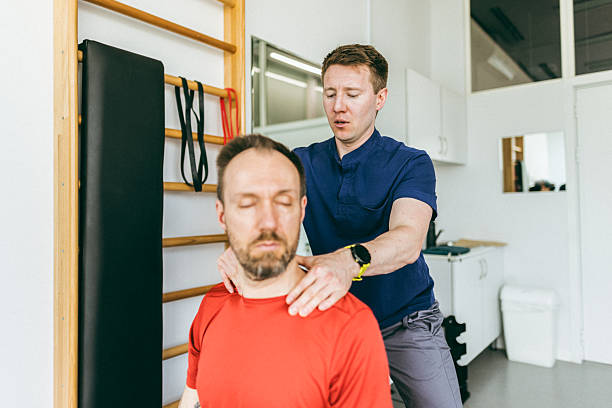
Manual therapy refers to any hands-on treatment where a physiotherapist uses their skilled touch to assess, diagnose, and treat musculoskeletal issues. Unlike passive modalities like ultrasound or electrical stimulation, it’s an interactive process where the therapist responds in real-time to your body’s feedback.
Common techniques we use in our Newmarket clinic include:
- Joint mobilizations: Gentle, controlled movements to restore stiff joints
- Soft tissue release: Precise pressure to relax tight muscles and fascia
- Trigger point therapy: Releasing hyper-irritable muscle knots
- Muscle energy techniques: Using your own muscle contractions to improve mobility
5 Reasons Manual Therapy Works When Other Treatments Fall Short
1. It Addresses the Root Cause, Not Just Symptoms
While pain relievers mask discomfort and generic exercises strengthen areas around the problem, manual therapy targets the specific source of dysfunction. For example:
- A stiff shoulder joint causing rotator cuff strain
- Restricted spinal segments contributing to sciatica
- Adhesions in scar tissue limiting mobility after surgery
Patient story: Mark, a construction worker, had months of elbow pain that resisted stretches. One session identifying and releasing a restricted wrist joint resolved his “tennis elbow” faster than weeks of exercises alone.
2. It Rewires Your Nervous System
Chronic pain often stems from maladaptive patterns where:
- Your brain misinterprets normal movements as threats
- Muscles remain guarded long after an injury heals
- Joints lose their natural mobility signals
Manual therapy helps reset these patterns by:
- Stimulating proprioceptors (your body’s position sensors)
- Calming overactive pain pathways
- Restoring normal movement feedback loops
3. It Complements Exercise Perfectly
Think of manual therapy and exercise as a dynamic duo:
- Manual therapy prepares tissues by releasing restrictions
- Exercise then reinforces proper movement patterns
Without hands-on work first, many patients struggle to activate the right muscles during rehab exercises.
4. It’s Tailored to Your Unique Body
No two people have identical:
- Injury histories
- Postural habits
- Areas of tension or weakness
Manual therapy allows real-time adjustments based on your body’s responses—something machines can’t replicate.
5. It Provides Immediate Feedback
Unlike taking medication and waiting, you’ll often feel:
- Reduced pain during the session
- Increased range of motion instantly
- Improved ease of movement
This tangible progress motivates patients to stick with their rehab plan.
Conditions That Respond Exceptionally Well to Manual Therapy
Back and Neck Pain
Research from the Canadian Physiotherapy Association shows manual therapy combined with exercise is more effective for chronic low back pain than either approach alone.
Frozen Shoulder
Gentle joint mobilizations can break adhesions faster than passive stretching.
Post-Surgical Stiffness
Careful soft tissue work prevents scar tissue from limiting recovery.
Headaches
Releasing suboccipital tension often provides faster relief than medications.
Sciatica
Combining lumbar mobilizations with nerve gliding techniques reduces radiating leg pain.
What to Expect During Manual Therapy in Newmarket
At PhysioChiroWellness, a typical session involves:
1. The “Listening Hands” Assessment
Before any treatment, we:
- Palpate tissues to identify temperature changes, swelling, or texture differences
- Test joint play (the subtle movements bones make within joints)
- Observe how your body responds to gentle pressure
2. Targeted Treatment
Using just enough force to create change without causing discomfort, we might:
- Perform grade III or IV joint mobilizations for stiffness
- Use myofascial release for connective tissue restrictions
- Incorporate PNF stretching for neuromuscular re-education
3. Empowerment Through Education
We’ll explain:
- What we found during treatment
- Why certain areas are problematic
- How to maintain improvements at home
Debunking 3 Common Manual Therapy Myths
Myth 1: “It Should Hurt to Be Effective”
While some discomfort is normal when releasing tight tissues, pain shouldn’t exceed a 3/10 during treatment.
Myth 2: “Cracking Means It’s Working”
Audible releases (cavitations) aren’t necessary for effective treatment. The focus is restoring function, not creating sounds.
Myth 3: “Results Don’t Last”
When combined with prescribed exercises and lifestyle adjustments, manual therapy creates lasting change by addressing causes rather than symptoms.
Your Manual Therapy Questions Answered
How many sessions will I need?
Acute issues may improve in 2-3 sessions. Chronic conditions often require 6-8 visits combined with home care.
Is manual therapy safe after surgery?
Yes—when performed by a skilled physiotherapist. We modify techniques based on healing timelines.
Can children benefit from manual therapy?
Absolutely. Gentle techniques help with conditions like torticollis or growing pains.
Does OHIP cover manual therapy?
While OHIP doesn’t cover physiotherapy for most adults, many extended health plans do.
Experience the Difference Hands-On Healing Makes
At PhysioChiroWellness, our Newmarket physiotherapy team blends evidence-based manual therapy with personalized exercise plans for comprehensive recovery.
Whether you’re recovering from an injury, managing chronic pain, or seeking to move without restrictions, manual therapy could be the missing piece in your healing journey.