
Why Is Your Physiotherapist Using Kinesiology Tape On You?
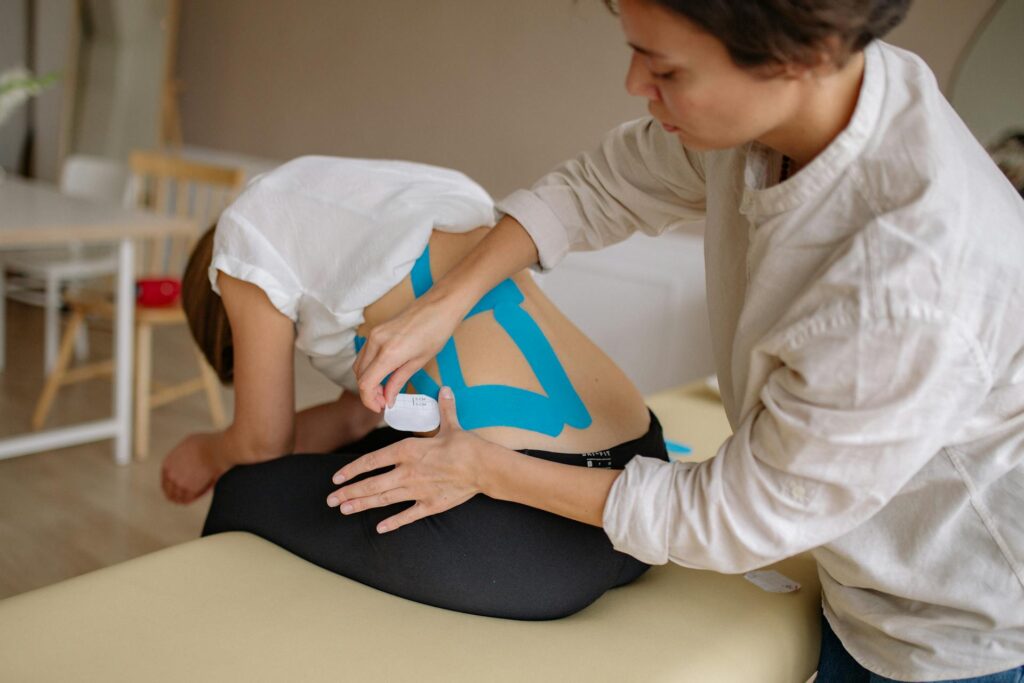
Why Is Your Physiotherapist Using Kinesiology Tape on You?
If you’ve ever walked into a physiotherapy in Newmarket session and arrived with bright strips of colored tape along your shoulder, knee, or back, you’re not alone. Kinesiology tape has become a staple tool in many physiotherapy clinics. But it’s not just for show—it’s a simple yet powerful way to support healing, ease pain, and help you get moving more freely.
Let’s explore the science and real-life reasons behind its use, how it works alongside your rehab exercises, and what it really feels like under the tape. You’ll walk out feeling informed, empowered, and wondering why anyone would skip this clever technique.
What Exactly Is Kinesiology Tape?
Imagine a thin, stretchy, colorful fabric—usually cotton with a waterproof coating. That’s kinesiology tape. It’s designed to mimic the elasticity of your skin, stretching in all directions, which allows it to move with your body, not against it.
It’s not about rigid support like a brace or compression sleeve. Instead, the tape lifts your skin slightly, creating space for muscles, nerves, and lymphatic fluid to function better. That space can lead to less pain and better movement—a small change with a big impact.
Why Physiotherapy in Newmarket Isn’t Complete Without It
At PhysioChiroWellness, we don’t use tape because it looks cool or follows a fad. We use it because it amplifies your treatment. Kinesiology tape can:
- Alleviate pain during movement
- Improve circulation and reduce swelling
- Enhance proprioception (body awareness)
- Support muscles during activity
- Help re-educate movement patterns
When combined with mobilizations, exercises, and hands-on care, kinesiology tape becomes part of a holistic, effective treatment plan.
How Kinesiology Tape Works (No Magic Involved)
1. It Lifts Your Skin
By gently lifting the skin off the underlying tissue, tape reduces pressure on pain receptors and allows for better fluid movement—be it blood, lymph, or tissue fluids.
2. It Guides Your Muscles
When tape is applied along a muscle’s pathway, it helps your brain “remember” proper alignment and movement. That’s powerful when you’re trying to retrain posture or movement patterns.
3. It Encourages Flow
Swelling or tight tissue can restrict blood and lymph flow. The tape helps stimulate circulation and drainage, speeding up recovery from injury or inflammation.
4. It Calms Your Nerves
The tape’s sensory feedback around the skin can reposition your nervous system, helping reduce pain sensitivity and giving you more control during movement.
Real Stories: The Tape in Action
1. After Knee Surgery
Sarah, a 42-year-old schoolteacher in Newmarket, came to us post-ACL reconstruction. She needed stability, but braces felt bulky. We applied tape to guide her quad activation and ease swelling. She said, “It felt supportive, not stiff—and I walked better in days.”
2. Struggling with Lower Back Pain
Mike, a part-time landscaper, had nagging lower back pain while lifting. Tape along his spine and glutes took strain off tight muscles. He felt easier movements during lifting and bending—and he avoided rest days he’d usually take.
These aren’t gimmicks. They’re real improvements supported by thousands of success stories worldwide.
Evidence Backing It Up
Studies published in Physiotherapy Canada and the Journal of Orthopedic & Sports Physical Therapy show that kinesiology taping can reduce pain, improve functional movement, and decrease swelling.
Even government health agencies, like Health Canada, acknowledge its role as a complementary therapy—when applied properly by qualified professionals—to support rehab and recovery.
What to Expect During a Tape Session
- Assessment First
Your physiotherapist evaluates your movement, posture, and pain patterns to determine why the tape might help. - Applying the Tape
You’ll feel it gently stretched on the skin—strips that might run along a muscle, around a joint, or across tight connective tissue. - Movement Guidance
We’ll ask you to move while taped to make sure it feels supportive, not restrictive. - Wear and Care
The tape is water-resistant, allowing you to shower or sweat. Most clients wear it for 3 to 5 days before reapplying.
Who Benefits Most from Kinesiology Tape?
Kinesiology tape isn’t just for athletes. It’s great for:
- Knee, shoulder, wrist, or ankle pain
- Post-surgical swelling
- Overuse in jobs requiring repetitive movement
- Migraines (with neck or shoulder tension)
- Plantar fasciitis
- Rehabilitation after strokes or nerve injuries
If your goal is moving better, feeling safer, and reducing pain, you might find it helpful—even if you’ve never seen tape before.
Is Kinesiology Tape Safe?
Absolutely—when applied correctly.
Qualified physiotherapists ensure it’s applied under tension control, avoiding irritation.
Common side effects like mild redness or itching are rare—and easy to adjust for.
Why You’ll Love Taping Alongside Physiotherapy
- Movement Feels Easier: Tape supports muscles during exercises and daily tasks.
- Recovery Feels Healthier: Less swelling means quicker healing.
- Confidence Grows: Pain-free movement boosts trust in your body’s ability.
- Long-Term Gains: You’re re-educating movement patterns—not masking symptoms.
Is Tape the Whole Solution?
Not alone. It’s a powerful partner to manual therapy, targeted exercises, ergonomic adjustments, education, and lifestyle changes. At PhysioChiroWellness, tapes enhance the full-spectrum care we offer—because healing is a multi-layered process.
Your Next Step in Newmarket
If capes-wearing tape-strapped heroes have influenced your impression, let us reshape that story. Kinesiology tape is not a gimmick—it’s a strategic tool in physiotherapy.
If you’re dealing with pain, tension, or movement issues, it could be a helpful next step.
👉 Schedule your physiotherapy consultation in Newmarket at PhysioChiroWellness
We’ll talk through your concerns and explore if kinesiology tape fits into your personal recovery plan.
FAQs About Kinesiology Tape and Physiotherapy
Q1: Can anyone use kinesiology tape?
Yes, when applied by a trained therapist. We assess your needs first to ensure it’s the right tool for your case.
Q2: Does it hurt when applied or removed?
Rarely. It may feel tight during application but should never pinch. Removal is gentle—tape comes off easily with the tension applied.
Q3: How long does a tape session last?
Application takes about 5–10 minutes—usually within your regular appointment time.
Q4: Is tape covered by insurance?
Yes. Most extended health plans in Ontario cover physiotherapy in Newmarket and kinesiology taping services. We can assist with claims.
Q5: Can I exercise with tape on?
Definitely. You can shower, stretch, and move. If anything feels uncomfortable, just send us a quick message.